
What if a single, well-planned city stay could let you see Egypt’s top treasures without nonstop travel?
You’ll anchor your visit in Cairo and use quick day trips to reach the Giza Plateau, Old Cairo, and world-class museums. This compact plan is a practical itinerary that saves time and boosts your photo chances.
Expect clear, day-by-day moves that balance sunrise starts and relaxed evenings. You’ll get tips on arrival, local SIMs like Vodafone, and smart cash handling so your trip starts smoothly from the airport.
The guide compares museum choices—GEM for Tutankhamun displays and views, NMEC for royal mummies—and suggests pyramid-side hotels such as the Nile Ritz-Carlton and Marriott Mena House for iconic vistas.
Optional additions include Saqqara, Alexandria, or flights to Luxor and Aswan if you want to extend beyond the core days of this plan. Read on for easy, confident travel highlights.
Key Takeaways
- Base yourself in the city for efficient access to major sites.
- Follow the day-by-day itinerary to avoid rushing.
- Use museum choices to match your interests: GEM or NMEC.
- Book hotels with river or pyramid views for memorable nights.
- Plan optional day trips to Saqqara and Alexandria for depth.
How to Use This One-Week Cairo How-To Guide
This plug-and-play itinerary links each day to compact zones so you spend less time moving and more time seeing sights.
Start early to beat heat and crowds, then pivot to museums or indoor stops during the hottest hours. If jet lag hits, swap a museum afternoon for lighter market browsing and keep evenings flexible for sunset parks or riverfront dinners.
Use Uber or a private driver to make on-the-fly changes; ATMs are plentiful and Alexandria is reachable by road in roughly 2.5 hours for a full-day excursion.
This guide helps you balance booked day tours for logistics and expert context with self-guided options for total freedom. Keep paper copies or offline maps; mobile data is reliable with a local SIM, but backups protect you if coverage dips.
| When | Best use | Why it helps |
|---|---|---|
| Early morning | Outdoor sites | Beat crowds and heat |
| Midday | Museums & lunch | Cooler, calmer exhibits |
| Evening | Markets & dinner | Relaxed pace, better views |
| Travel days | Buffer time | Traffic can extend moves |
Best Time to Visit Cairo and Plan Your Days
Timing your trip around cooler months and daily rhythms makes outdoor sites easier to enjoy. Expect very hot summers; many travelers avoid travel during June–August. To get the most from museum visits and open-air monuments, build a flexible plan and check official schedules before you go.
Seasonal tips, Ramadan rhythm, and museum hours
Aim for late fall through early spring for milder weather and crisp morning light. During Ramadan, opening times can shift and restaurants may change service, so confirm hours the day before.
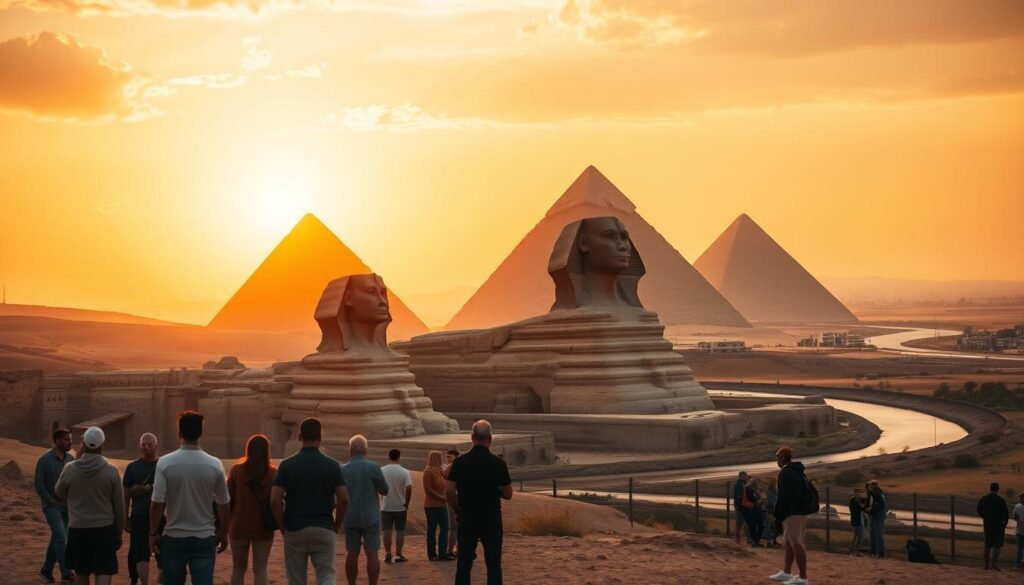
Giza hours vary by season: Oct–Mar 8am–4pm; Apr–Sep 7am–6pm. Start at opening to beat crowds and the worst heat.
How to beat heat and crowds at the plateau
- Plan big outdoor visits at first light for quieter approaches and softer photos.
- Use midday for shaded sites or top museums like the Grand Egyptian Museum and NMEC.
- Schedule hotel breaks during high heat, then return for golden-hour parks and skyline views.
- Keep water, sun protection, and a 20–30 minute buffer between sites to handle traffic.
If you’re sensitive to heat, add extra mornings rather than cramming many activities into few days. Small adjustments in time can make the whole trip feel calmer and more memorable.
Arriving in Cairo: Visas, SIM Cards, and Cash
A calm start at the airport—visa, SIM, and cash sorted—lets you focus on sightseeing and photos. Handle the essentials before you leave the terminal so your first day feels easy after a long flight.
Visa, immigration, and transfers
Buy the $25 USD visa-on-arrival stamp at the bank kiosks before immigration, then proceed through passport control. For transportation, Uber runs from the terminal and many hotels offer paid pickups.
SIMs and data
Pick up a local SIM at the airport. Vodafone is widely available and reliable across the country; travelers report paying about 134 EGP for a 6GB pack.
Confirm top-up steps so you can use maps, ride-hailing, and check museum hours on the go.
Money basics
Carry Egyptian Pounds (EGP) for markets, tips, and small taxis. ATMs are common but often cap withdrawals (1,000–2,000 EGP) and require a 4-digit PIN.
Many hotels list rates in USD; paying in the quoted currency can sometimes get you a better effective rate. Bring some USD as a backup if your arrival is late.
| Need | What to do | Why it helps |
|---|---|---|
| Visa | Buy $25 stamp at kiosks before immigration | Saves delays at passport control |
| SIM | Buy Vodafone at airport (e.g., 134 EGP / 6GB) | Reliable data for maps and rides |
| Cash | Withdraw EGP; keep some USD backup | Vendors prefer cash; ATMs cap withdrawals |
| Transfer | Order Uber or pre-book hotel pickup | Simple, safe transport to your hotel |
If you follow this short guide, your first morning will be lighter. Plan a low-key start to recover from jet lag and test local apps before heavier sightseeing.
Day One: Old Cairo and Coptic Cairo Essentials
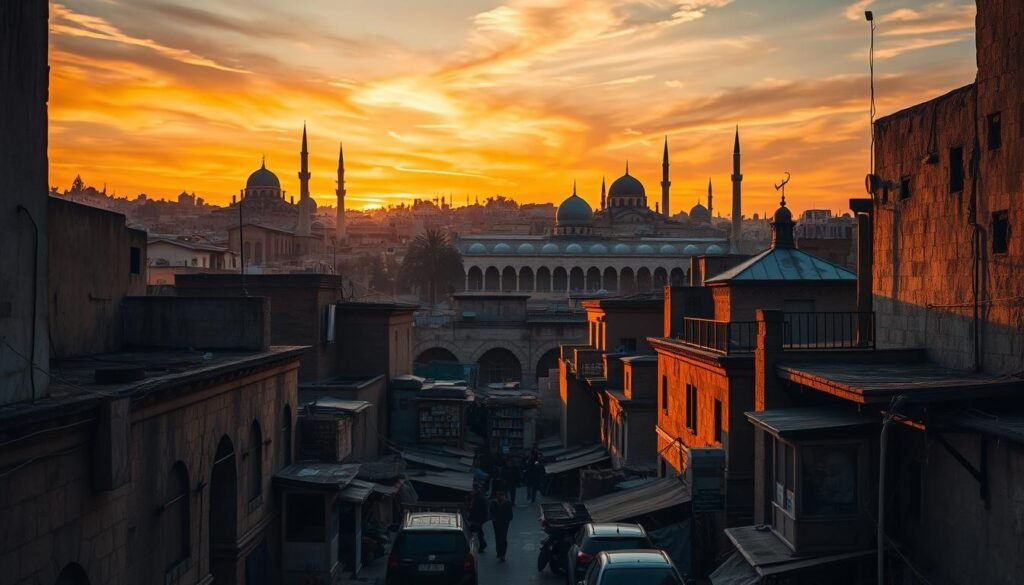
Start your first day by stepping into Old Cairo’s compact lanes to meet living layers of faith and craft. This neighborhood packs major sites within a short walk, so you can move slowly and soak up the atmosphere.
The Hanging Church and Abu Serga Church
Begin at the Hanging Church to admire its timber nave and icons. Then visit Abu Serga, traditionally linked to early Christian pilgrims. Take your time here; the calm interiors reward quiet observation and photos.
Ben Ezra Synagogue and Masr al-Qadima lanes
Step into Ben Ezra Synagogue to complete the area’s religious mosaic and feel how the neighborhood’s layers of history overlap. Wander Masr al-Qadima’s lanes with a guide if possible—tucked courtyards and artisans make for memorable discoveries.
Sunset at Al-Azhar Park and dinner with Citadel views
Break for a relaxed lunch nearby, then head to Al-Azhar Park for golden-hour skyline views. Walk the paths, then book a table at Citadel View for sunset over domes and minarets—an ideal city experience.
- Pace visits so you have time for icons, relics, and reflection.
- Wear modest attire for smooth entry to religious sites.
- If you travel with a guide, ask about recent conservation work and hidden chapels.
Finish early with a light tea and an easy ride back to your hotel. A restful evening sets you up for a strong second day at the Giza plateau.
Day Two: Giza Pyramids, Great Sphinx and Saqqara’s Step Pyramid
Hit Giza early to beat crowds and capture cleaner light for photos. Arrive at opening; the Giza complex hours are Oct–Mar 8am–4pm and Apr–Sep 7am–6pm. Start at the dirt area before the ticketed zone for the best frontal Sphinx shot.
Opening times, tickets, and photo vantage points
Work clockwise around the great pyramid for fewer people in your frame. Decide before you arrive if you want to go inside a pyramid—smaller options fill slower and feel atmospheric. Leave time to drive to the panoramic point for sweeping plateau views.
“Arrive at sunrise and circle clockwise for the clearest angles.”
Saqqara and the Step Pyramid of Djoser
After lunch, head to Saqqara to see the step pyramid djoser, the earliest major stone monument. This stop explains how builders moved from mastabas to true pyramid shape.
If you have extra energy, add Memphis for the Ramses II colossus or Dahshur to view the Bent and Red pyramids and deepen your context.
Optional ride, show, and practical tips
Consider a late-day camel ride for golden-hour silhouettes; it’s a classic photo experience and pairs well with the Giza Sound & Light Show if you stay out. Carry water, sun protection, and small bills for tips.
A private tour or guide makes timing easier and sharpens the story at each stop, helping you get more from the day without rushing.
Day Three: Grand Egyptian Museum, Egyptian Museum, and the Citadel
Plan a museum-packed day that balances modern galleries with a hilltop fortress overlooking the city. Start early and leave room for security checks and relaxed lunch breaks.
Grand Egyptian Museum highlights
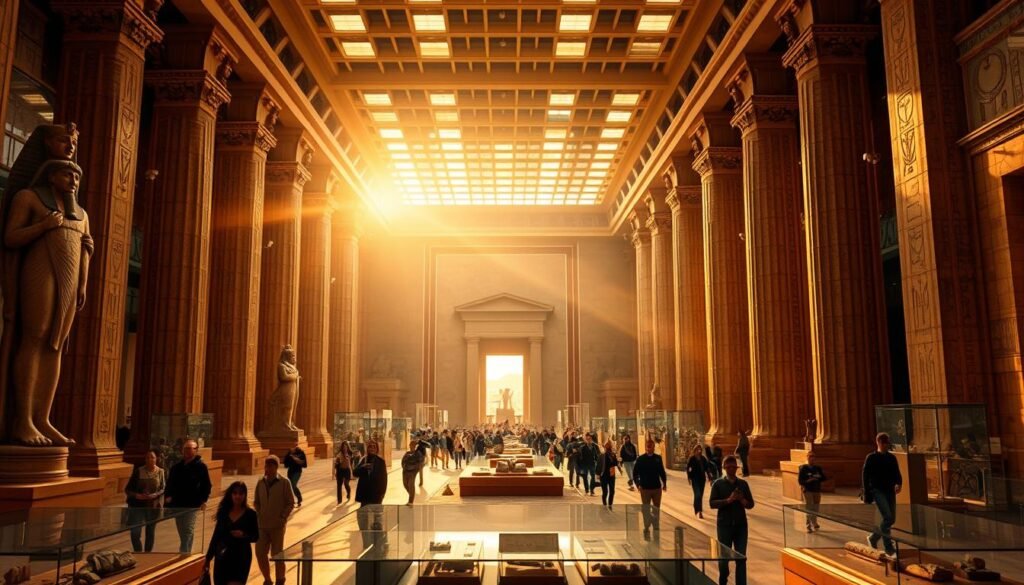
Begin at the Grand Egyptian Museum to see 20th-dynasty treasures and the Tutankhamun collection. Even partial openings reveal concentrated artifacts and modern displays with sightlines toward Giza.
National Museum of Egyptian Civilization and Royal Mummies Hall
Next, head to the NMEC to visit the Royal Mummies Hall. The presentation is solemn and informative, giving clear context for the rulers whose objects you saw earlier and deepening your sense of history.
Historic Egyptian Museum and timing tips
If you have time, add the historic Egyptian Museum downtown for a contrasting display style and extra artifacts across eras. Allocate time for queues; timed tickets or security lines can eat into your visit.
Citadel of Salah El-Din and Mosque of Muhammad Ali
Finish at the Citadel for stone walls, sweeping courtyards, and late-afternoon light. Step inside the Mosque of Muhammad Ali for airy interiors and wide views across the sprawling city.
- Confirm which galleries are open at GEM before you go.
- Photograph signage to capture names and dates you’ll want later.
- Consider a guide to link artifacts to the monuments you’ll visit later.
“A guided walkthrough connects the objects you see to the rulers who shaped them.”
Day Four: Alexandria Day Trip from Cairo
You can reach Alexandria for a full-day escape that mixes Roman ruins, coastal views, and a modern cultural hub. Plan this fast circuit to see the Roman catacombs, Pompey’s Pillar, and the Bibliotheca Alexandrina with smart timing and minimal fuss.
Roman Catacombs
The catacombs reveal layered burial practices and narrow passageways. Allow time for descents and careful walking through chambers that reward close attention.
Pompey’s Pillar and classical remains
Pompey’s Pillar and the nearby ruins give a quick, powerful taste of the city’s classical past. Great for photos and a concise history stop.
Bibliotheca Alexandrina
The modern library hosts exhibits and reading spaces; check same-day entry hours to ensure access. It’s a refreshing contrast to the open-air sites.
How to get there
Alexandria sits roughly a 2.5-hour drive northwest. For flexible transportation, hire a private car for door-to-door service, take the train for a budget choice, or book a guided tour if you prefer logistics handled.
- Leave early to clear city traffic and arrive mid-morning.
- Pick a waterfront lunch to enjoy the Mediterranean breeze.
- Start the drive back before evening rush when possible.
Day Five: Khan el Khalili Souk, El Moez Street, and Departure Plans
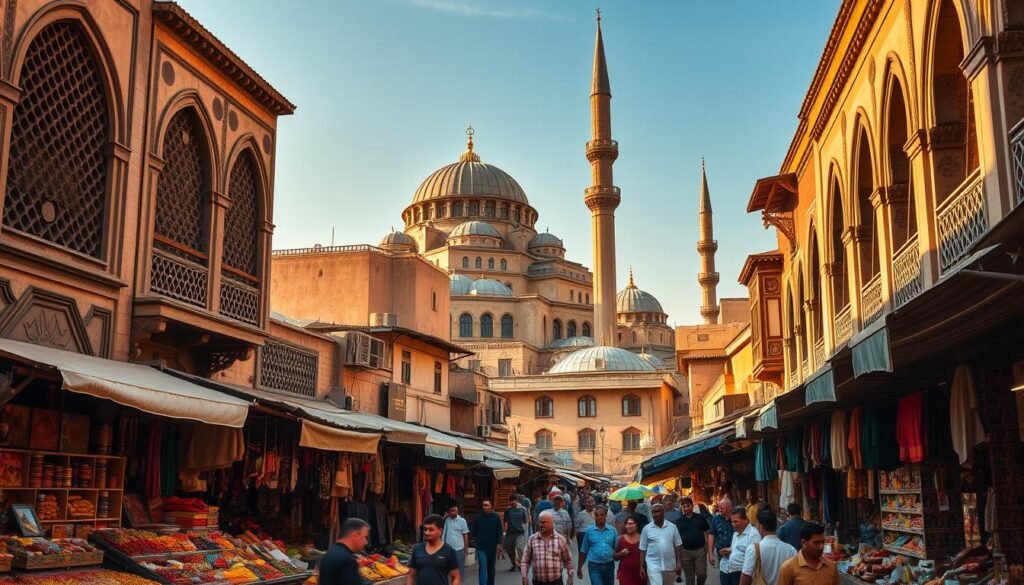
Reserve your final morning for colorful lanes, craft stalls, and a slow walk through history so departures feel calm, not rushed. Start with a relaxed coffee, then head to Khan el Khalili to breathe the spice-scented air and browse brass lamps, textiles, and handmade goods.
Haggle, buy smart, and protect fragile finds
Practice firm but friendly haggling; know rough price ranges and be ready to walk away. Skip pushy shop stops if rugs or papyrus don’t interest you—focus on things you will truly use or gift.
El Moez Street stroll and travel logistics
Wander El Moez Street for medieval façades and quick photo stops. Leave extra time before any flight—traffic and airport lines can add delays. Use Uber or a pre-booked driver for reliable transfers and live routing.
- Pack fragile items in your carry-on with padding.
- Keep local cash handy for small purchases and snacks.
- If you liked an earlier guide, book a short, focused walk to deepen context.
One Week in Cairo: Pyramids, Nile & Ancient Mysteries
Map a clear daily rhythm so you can handle major highlights without feeling rushed. This compact itinerary gives you flexible pacing and clear time windows for outdoor and indoor visits.
Use early mornings for open-air sites and slot museums midday when heat and crowds rise. Book key tickets and one guided day to deepen context without overpaying for every stop.
Sample 7-day Cairo-focused itinerary at a glance
- Day 1: Old/Coptic Cairo—Hanging Church, Abu Serga, Ben Ezra; sunset at Al-Azhar Park.
- Day 2: Giza Plateau—Sphinx frontals, plateau panoramas; Saqqara in the afternoon.
- Day 3: GEM & NMEC—Tutankhamun and Royal Mummies; Citadel and Mosque of Muhammad Ali.
- Day 4: Alexandria day trip—catacombs, Pompey’s Pillar, Bibliotheca; return to the city.
- Day 5: Khan el Khalili, El Moez—shopping, packing, optional Sound & Light Show at night.
- Day 6: Flex buffer—Memphis/Dahshur, felucca ride, or a food tour.
- Day 7: Final favorites—revisit a museum wing, buy last souvenirs, relax before departure.
“Keep early starts for outdoor sites and reserve midday museum visits to preserve energy.”
| Priority | Best time | Why it helps |
|---|---|---|
| Outdoor sites | Early morning | Cooler temps and fewer crowds |
| Museums | Midday | Shade and paced visits |
| Flex days | Any | Buffer for delays or extra sites |
Optional Add-On: Luxor and Aswan by Air or Nile Cruise
If your schedule allows, a short southern leg unlocks major temple complexes and tombs. Adding luxor aswan to your egypt itinerary gives you a powerful follow-up to city sights.
Valley of the Kings, Karnak Temple, and Luxor Temple highlights
Fly or drive south to reach the valley kings, where royal tombs display vivid wall paintings and carved corridors. Visit karnak temple in relaxed morning light and save Luxor Temple for an evening stroll when the lighting is gentler.
Aswan’s Philae Temple, High Dam, and Nubian village vibes
In Aswan you can visit the island-set philae temple and learn about modern engineering at the High Dam. Slow felucca rides and Nubian village visits add color and calm to the schedule.
Abu Simbel as a day trip; cruise vs. overland pros and cons
Abu Simbel makes a memorable day trip from Aswan; the colossal façades reward the early start. A Nile cruise blends travel and guided stops at temples and smaller sites like Edfu and Kom Ombo.
- Choose a flight if time is tight and you want speed between Cairo and Luxor.
- Overland gives you full control of stop lengths for photos and pacing.
- Pick a reputable operator for abu simbel and cruises so schedules and guides run smoothly.
“Adding two to three days here deepens your view of pharaonic history.”
Choose Your Adventure: Western Desert or Red Sea Escape
If you want to swap city crowds for starlit dunes or coral reefs, a short side trip transforms your itinerary.
White & Black Desert from Bahariya Oasis: 4×4 and stargazing
Head west to Bahariya for surreal chalk sculptures and wind-carved outcrops in the White Desert. A guided 4×4 ride takes you past the Black Desert’s volcanic mounds and wide lookouts.
Expect camping under clear skies that make stargazing unforgettable—perfect after days of exploring the ancient wonders of the region.
Siwa Oasis: culture and hot springs
Siwa offers a gentler pace. Salt lakes, thermal springs, and the old fortress create a calm cultural stop. Stay local to soak in hot pools and slow down.
Hurghada or Sharm El Sheikh: snorkeling and diving
If you crave the sea, fly or drive to Hurghada for reef-fringed snorkeling or to Sharm El Sheikh for Ras Mohammed and Tiran Island dives. The Red Sea is world-class for visibility and marine life.
- Book reputable operators—permits, gear, and food come with most tours.
- Choose small groups for more photo stops and comfort on long drives.
- Bring layers and a headlamp for desert nights.
“Balance a desert night with a few days by the sea to recharge after a history-packed itinerary.”
Where to Stay in Cairo: Pyramid Views to Nilefront Luxury
Choosing the right hotel can turn travel logistics into a restful part of your visit. Pick a base that fits your pace: a show-stopping vista one night and a central, service-rich hotel for museum days can make your time smoother.

Marriott Mena House and the pyramids giza view
For a bucket-list morning, Marriott Mena House places the plateau outside your window. Waking to those silhouettes removes transit stress and gives extra photo time at dawn.
Nilefront luxury: Nile Ritz-Carlton, Four Seasons Nile Plaza, St. Regis Cairo
If you want central access to museums, dining, and nightlife, choose a riverfront hotel. The Nile Ritz-Carlton, Four Seasons Nile Plaza, and St. Regis Cairo offer concierge help and easy transfers.
- Club floors and suites add breakfast, lounge access, and concierge support for last-minute bookings.
- Book early in peak months; direct views sell out and cost more.
- Families should prioritize pools and interconnecting rooms; solo travelers may prefer central locations with on-site dining.
- Ask about airport transfers and confirm commute times for tours to avoid traffic peaks.
- Consider splitting stays—one night with pyramid views, the rest along the river—to balance vistas and city convenience.
| Need | Best choice | Why it helps |
|---|---|---|
| Bucket-list view | Marriott Mena House | Saves transit time to the plateau and offers sunrise photos |
| Central access | Nile Ritz-Carlton / Four Seasons / St. Regis | Easy reach to museums, restaurants, and evening walks |
| Family comfort | Hotels with pools & interconnects | Rest between big touring days and safer evening options |
Choose what matches your priorities. A two-hotel strategy can give you both an iconic view and a great place to base city-focused days for a smoother overall experience on your trip.
Practicalities: Transport, Safety, Water, and Daily Costs
A few practical tricks for getting around will save you time and reduce stress on busy days.
Uber, private drivers, and day tours for hassle-free moves
Rely on Uber for point-to-point moves around the city; fares are inexpensive and the app is reliable.
For full-day routes, hire a private driver or book an organized tour to avoid parking and routing headaches.
Solo and family safety, filtered water, and travel insurance
Many visitors report feeling safe overall, though hawkers can be persistent. Keep valuables close and use anti-theft bags in crowded markets.
Tap water isn’t safe to drink. Use bottled or filtered water and bring a reusable bottle with a purifier to cut plastic on longer outings.
Travel insurance is a smart backup. World Nomads and Allianz are popular choices worldwide for comprehensive coverage.
Typical ticket prices, guide fees, and tipping norms
Carry small bills for tips at sites and restrooms; modest gratuities are customary and appreciated.
Confirm combined tickets to save time and money. Guides add deep context—negotiate rates ahead and clarify if transport and admissions are included.
| Item | Typical cost | Why it helps |
|---|---|---|
| Uber short ride | $1–$5 | Cheap, app-based point-to-point travel |
| Private driver (day) | $40–$80 | Flexible schedule, parking and routing handled |
| Guide (half day) | $20–$50 | Context at museums and sites; saves time |
| Water & small tips | $1–$10 daily | Hydration and courteous gratuities |
Photography Playbook: Iconic Shots and Time-Saving Tricks
A simple photo plan saves precious time and helps you catch the best light at each site. Pack light, list the shots you want, and set realistic time windows so you move efficiently between viewpoints.
Giza frontals, plateau panoramas, and Saqqara framing
Start at the dirt plot outside the ticketed area for the cleanest Sphinx frontal. From there, work clockwise around the Great Pyramid to avoid crowds and get clearer compositions.
At Saqqara, step back to show the Step Pyramid’s geometry. Use foreground texture—sand or stone—to add depth and scale.
Museum etiquette, low-light tips, and golden-hour planning
Check photo rules at each museum; many restrict flash or tripods. Use a fast prime for low light and mid-day for indoor galleries.
Golden hours give warm tones and long shadows—plan those windows and ask your driver for five-minute panoramic stops.
- Keep gear minimal: one small zoom and a prime.
- Bring a microfiber cloth and blower for sandy conditions.
- Back up images daily to cloud or a pocket SSD.
- Be polite to guards and worshippers; patience gets smoother access.
“A short shot list and a flexible driver stop can turn a good day into a great photo day.”
| Shot | Best time | Gear tip |
|---|---|---|
| Sphinx frontal | Early morning | Wide lens, low angle |
| Great Pyramid panorama | Golden hour | Small zoom for framing |
| Saqqara composition | Morning or late afternoon | Prime for sharp detail |
| Museum interiors | Midday | Fast prime; check rules |
Conclusion
Follow a simple rhythm of mornings outdoors and afternoons indoors to make the most of your days without burning out. This balanced approach turns a busy trip into a steady, memorable experience.
Use this itinerary to cover Old Cairo, Giza and Saqqara, GEM and NMEC, plus an Alexandria day trip. Add Luxor or Aswan by air or cruise if you want deeper temple time, or swap for desert or Red Sea options to change the pace.
Keep Uber, a local SIM, and cash handy. Stay hydrated, leave buffers, and book a few key items early. With smart planning you’ll return home with photos, stories, and a real connection to the region’s wonders.