
Curious how you can pack a vibrant city pulse, tranquil north, and a quick beach escape into a single short trip without burning through your vacation days?
This friendly, practical guide lays out a smart thailand itinerary that moves you fast and light. You’ll start amid skyscrapers and river markets, hop a short domestic flight to a compact northern city with golden temples, and choose an optional island or coastal finish for sun and sea.
Transport tips keep your schedule tight: use rapid rail and river boats downtown, book local rides in the north, and fly from the capital to reach the south with minimal fuss. Expect clear daily plans, swap-friendly options, and honest timing so your week feels roomy, not rushed.
Key Takeaways
- A compact, time-savvy itinerary that covers city energy, northern calm, and an optional beach end.
- Practical transport advice: rapid transit and river boats in the capital; songthaews and rideshares up north.
- Daily plans that are structured but flexible to match your mood and weather.
- Where to splurge and where to save so your trip balances comfort and value.
- Options for ethical wildlife visits and easy island access from the southern hub.
Why this Ultimate Guide is your smartest route for one week in Thailand
If you want maximum experiences with minimum transit, this plan is designed to protect your time.
The itinerary uses Bangkok as a travel hub and favors short domestic flights to chiang mai and a coastal base. This way you keep your days focused on sights, markets, and meals rather than long train or bus rides.
Think of the trip as a tidy loop: city pulse, northern calm, and an optional beach finale. You’ll spend less time moving and more time tasting street food, visiting temples, or learning to cook at a local class.
“Book short flights early and plan morning starts—small choices save big chunks of your schedule.”
This destination choice also respects real travel constraints: flight times, potential jet lag, and busy urban transit. We point out which airport to use, when a guided tour helps, and how to pick ethical day experiences like elephant sanctuaries.
- Streamlined days so you can visit thailand highlights without cramming transit.
- Route proven as the easiest way for first-timers: capital to north, with an island option.
- Food-focused ideas and logistics tips to make the most of your limited days.
Best time to visit Thailand: dry season, wet season, and burn season explained
Travel dates shape what you’ll see and how you’ll feel. Pick a season that matches your priorities—clear views, beach days, or lower prices—and your trip flows better.
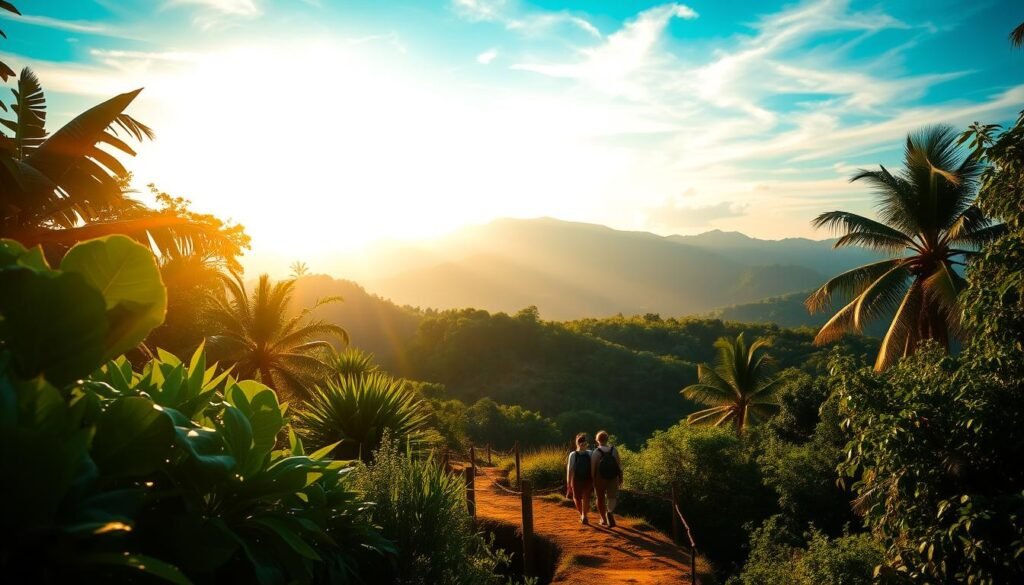
Dry, hot, and rainy seasons at a glance
The dry season runs roughly Nov–mid‑Mar and gives sunny days for temples and beaches, though prices rise. The hot season (Mar–Jun) is steamy; plan city walks early and pool time midday.
Wet season (Jun–Oct) brings heavy bursts, not all-day downpours, and cheaper hotels. Burn season starts late Feb in the north and can cause haze around chiang mai and chiang rai—skip peak smoke if mountain views matter.
When to choose Andaman Sea vs. Gulf for beaches
| Coast | Best months | Typical conditions | Top places |
|---|---|---|---|
| Andaman | Nov–Apr | Calm seas, prime beach weather | Phuket, Krabi, Phi Phi |
| Gulf | Apr–Oct | Warmer, later rains; good sun windows | Koh Samui, Koh Phangan, Koh Tao |
| Practical tip | All year | Book flexible flights and indoor options | Adjust itinerary and stay choices |
“If your days are fixed, build flexibility into each day—swap a beach for a market or a museum when weather changes.”
Your 7-day Thailand itinerary at a glance
This short schedule lays out a clear, flexible flow for a busy seven-day trip. It balances major city sights, relaxed cultural days up north, and an optional coastal finish.
Bangkok highlights, Chiang Mai culture, and optional island escape
- Days 1–3 — Bangkok: Land, settle, and hit the Grand Palace, Wat Pho, and Wat Arun. Explore riverside markets and Chinatown for lively night eats.
- Days 4–6 — Chiang Mai: Wander the Old City, climb Doi Suthep at sunset, visit an ethical elephant sanctuary, try khao soi, and enjoy night markets or a Thai massage.
- Optional days 5–7 — Phuket & phi phi: Fly south late Day 5 or early Day 6. Use Phuket as a base for beach time and a fast boat trip to phi phi or Phang Nga.
Practical tip: Domestic flights are frequent and budget-friendly; check whether your connection departs from BKK or DMK to save transit time.
| Segment | Main activities | Best pace | Why choose it |
|---|---|---|---|
| Bangkok | Palaces, temples, markets | Fast, city-packed | Big sights in limited days |
| Chiang Mai | Temples, Doi Suthep, sanctuaries | Slower, cultural | Local flavors and calm |
| Phuket/phi phi | Beaches, boat tours | Relaxed or active | Water time and scenic islands |
This itinerary gives you solid coverage of top places while keeping transfers short so you spend more time exploring and less time moving.
Day one in Bangkok: arrivals, airports (BKK vs DMK), and your first night
Your first day sets the tone—focus on smooth arrivals, a short unwind, and one gentle outing to fight jet lag.
Check your booking to confirm whether you arrive at Suvarnabhumi (BKK) or Don Mueang (DMK). Many long-haul flight arrivals use BKK, while budget flights land at DMK. This choice changes the best way into town.
Airport transfers, BTS/MRT, taxis, and the Airport Rail Link
If you’re groggy after a long flight, pre-book a private transfer so the first day feels easy. Otherwise, the Airport Rail Link from BKK connects to the BTS for a quick, traffic-free route.
- Taxis are affordable; always ask for the meter and have your hotel address ready in Thai.
- Expect 1–2 hours from airport to hotel depending on traffic and location.
- Hop on BTS/MRT if you have energy—it’s a fast way to sample city transit and skip jams.
Use the evening to hydrate, grab a market snack, or take a short sunset ferry on the Chao Phraya River to reset your clock. Keep an eye on your outbound airport if you’ll fly to chiang mai later—choosing a nearby hotel saves stress on transfer days.
Save heavy sightseeing for tomorrow; tonight is about settling, not sprinting.
Bangkok day two: Grand Palace, Wat Pho, Wat Arun and riverside markets
Start day two early to catch temples before tour groups arrive and to feel the river breeze as the city wakes.
Buy Grand Palace tickets on-site or get them ahead to skip lines. Consider a licensed guide so the carvings, murals, and royal stories make sense. A guide turns a visit into a memorable context, not just photos.
Temple dress code and timing tips for fewer crowds
Wear clothes that cover shoulders and knees and carry a light layer for shaded courtyards. Start at first light to avoid heat and heavy crowds.
At Wat Pho see the Reclining Buddha and try the coin-offering ritual. Cross the river mid-afternoon to Wat Arun for monk blessings and broad river views. Remove shoes, kneel respectfully, and bring small bills for donations.
Flower Market detour and sunset on the Chao Phraya
Slip into Pak Khlong Talat any time; it’s busiest late night to early morning as people prepare garlands. For a less touristy lunch, take a short ferry to Wang Lang Market and sample local street food like grilled skewers and sweets.
“Time your afternoon for shade and your evening for river breezes; sunset ferries give you a fresh angle on the city.”
| Stop | Best time | Must-do |
|---|---|---|
| Grand Palace | Early morning | Buy ticket early; guided tour |
| Wat Pho | Morning | Reclining Buddha; coin ritual |
| Wat Arun / Markets | Late afternoon / night | Monk blessing; Flower Market stroll |
Expect a full day of walking, short boats, and temple courtyards. Stay hydrated and carry small bills for ferries and offerings. This route shows a practical way to cover big sights and local markets without rushing the people you meet or the moments you’ll remember.
Bangkok day three: Chinatown, street food, and the floating market day trip
Spend a day chasing flavors and markets, from Yaowarat’s neon-lit lanes to an early canal-side excursion. This mix gives you a full taste of the city without overpacking your schedule.
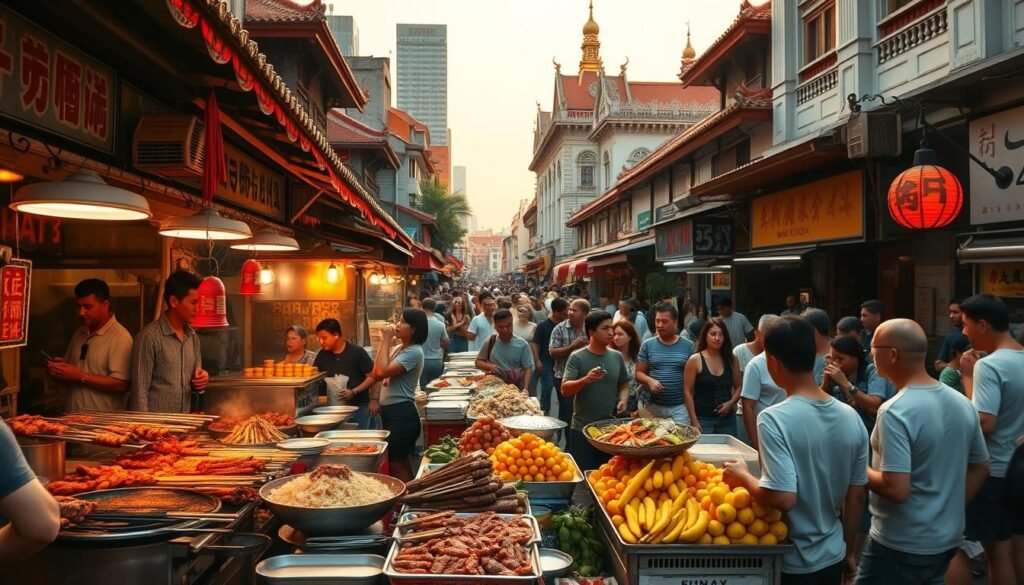
Yaowarat night eats and Sampeng Lane Market
After dusk, Yaowarat becomes a sizzling maze of stalls. Walk the street to sample dumplings, grilled seafood, and sweet treats from carts and tiny shops.
By day, Sampeng Lane offers a contrast: narrow aisles of fabrics, trinkets, and everyday goods. It’s one of the oldest mercantile corridors and a great spot to bargain and people-watch.
Damnoen Saduak & Maeklong Railway Market combo
If you want a bolder scene, book a reputable operator for a Damnoen Saduak floating market plus Maeklong Railway Market day trip. Tours usually start early and return late afternoon.
Expect boats piled with produce, vendors shifting awnings for a passing train, and lots of photo moments. Carry cash for snacks and small souvenirs, and pace your energy—this is a long, lively day.
| Experience | Best time | Tip |
|---|---|---|
| Yaowarat night food crawl | Evening | Go hungry; try several small dishes |
| Sampeng Lane | Morning–afternoon | Bring small bills; browse side streets |
| Floating + Railway combo | Early morning | Book trusted operator; expect 10–12 hours |
Keep cash handy and choose the option that matches your energy. Wrap up with a calm river taxi back to your hotel to rest before your flight north to chiang mai or the next leg of your thailand itinerary.
Flying north: Bangkok to Chiang Mai logistics, timing, and arrival tips
A brief flight lets you use more days exploring the Old City and less time stuck in transit.
Flights run often with Thai Airways, Bangkok Airways, AirAsia, Nok Air, and Lion Air. The air time is about an hour, so book a morning or early-afternoon flight to maximize your arrival time.
Double-check whether your flight departs from BKK or DMK; many low-cost carriers use DMK and that can add transfer minutes. If you check bags, read baggage rules to avoid surprise fees at the counter.
On arrival, head to the fixed-rate taxi desk, order a Grab, or hop a songthaew. Old City hotels are a short ride away and often drop you near moat-side cafes and noodle shops.
Keep the first night light: a gentle massage, an early bowl of khao soi, and a stroll through a nearby market helps you shift pace. For tight schedules, travel carry-on only to shave minutes at airports and keep this leg of your itinerary low friction.
| Depart | Typical carriers | Notes |
|---|---|---|
| BKK | Thai Airways, Bangkok Airways | Airport Rail Link connects to BTS; slightly longer transfer options |
| DMK | AirAsia, Nok Air, Lion Air | Budget carriers; allow extra transfer time to city |
| Arrival tips | Fixed-rate taxi, Grab, songthaew | Old City is short ride; ask hotel for directions |
“Book early flights to turn travel hours into exploring hours.”
Chiang Mai day four: Old City temples, Doi Suthep, and khao soi lunch
Plan a gentle day that blends history, a famous northern noodle, and a mountain viewpoint for evening light.
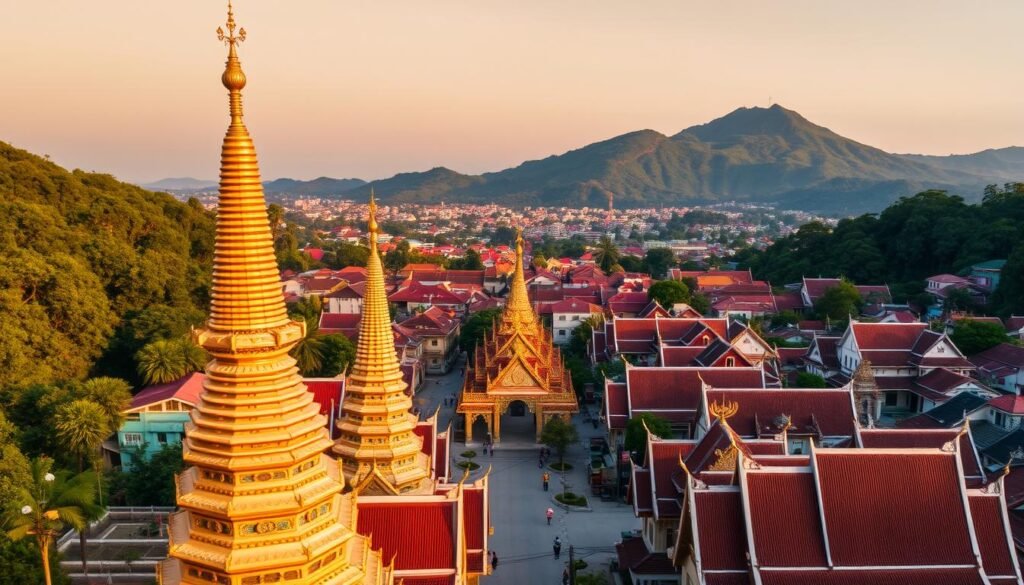
Start with a calm loop inside the Old City walls. Visit Wat Chedi Luang to see its towering chedi. Then stroll to Wat Phra Singh for classic Lanna artistry and quiet courtyards.
Pause for lunch and try a steaming bowl of khao soi. Khao Soi Khun Yai is a local favorite but arrives early—if lines form, pick another well-loved spot nearby. This day is about savoring pace and flavor.
Sunset at the hilltop shrine
Head up to Doi Suthep in the late afternoon for cooler air and wide views of the city and surrounding mountains. Take a songthaew, scooter, or Grab from the Old City. Bring small bills and a light layer for the evening breeze at altitude.
After sunset, return for night markets. Weekend walking streets brim with artisans, snacks, and live music. Respect quiet temple spaces: cover shoulders and knees and speak softly inside prayer halls.
“If you have extra time, consider a short detour to Wat Pha Lat for a peaceful forest stop.”
Chiang Mai day five: ethical elephant experiences and outdoor adventures
Choose whether to watch elephants roam or climb mineral-rich falls; both give a real taste of the north’s outdoors. You can spend a full day at an ethical sanctuary or pick a nature route that keeps you moving and cool.
How to choose an elephant-friendly sanctuary
Prioritize centers that forbid riding and bathing. Look for places that let you observe elephants naturally and offer education on conservation.
Chang Chill, for example, runs a full-day program with guided trekking to viewing spots. Expect talks on welfare and plenty of time to watch from a respectful distance.
Sticky Waterfalls, Doi Inthanon, or white-water rafting
If you prefer landscape over wildlife, head to Bua Tong “Sticky” Waterfalls for easy climbing on mineral-grip rock.
Alternatively, make a full-day loop to Doi Inthanon national park for cool air, cloud-kissed vistas, and royal pagodas on Thailand’s highest peak.
Seasonal white-water rafting near the city can be thrilling. Check water levels, safety standards, and be ready to get wet and muddy.
| Option | Duration | What to expect | Bring |
|---|---|---|---|
| Ethical sanctuary (e.g., Chang Chill) | Full day | Guided trek, observation, conservation talk | Closed-toe shoes, sunscreen, respectful distance |
| Sticky Waterfalls (Bua Tong) | Half–full day | Climb mineral rocks, playful swims | Grip shoes, water shoes, dry bag |
| Doi Inthanon national park | Full day | Mountain views, pagodas, cooler temps | Layers, camera, light jacket |
| White-water rafting | Half–full day (seasonal) | Wet, adrenaline-focused, supervised rapids | Quick-dry clothes, waterproof case, towel |
Keep expectations humane and patient—protected animals and wild mountains reveal themselves on their own time.
Pack smart: closed-toe shoes for falls, sunscreen and layers for the mountains, and a dry bag for cameras on river days. If chiang rai tempts you, save it for a longer trip; today is perfect for exploring the north close to town.
Finish with a calming massage back in the Old City and an early dinner—this day blends outdoor energy with quiet reward.
Chiang Mai day six: cooking class, spa time, and slow-travel moments
Make day six about simple pleasures: market visits, a hands-on class, and time to rest.
Start with a cooking class that begins at a nearby markets. You’ll learn to pick fresh produce, balance spice and lime, and cook a few northern dishes you can recreate at home. The market lesson makes the recipes feel local and practical.
After you cook, treat yourself to a spa or a hotel day pass. Many boutique resorts sell pool access and short treatments with mountain views. A Thai massage or a soak helps your legs recover and slows the travel tempo.
For slow-travel vibes, book a short Old City walking tour to trace Lanna history. Or slip away to a tucked-away temple for quiet reflection. If you still want a view, take a brief ride to the Doi Suthep foothills and visit Wat Pha Lat.
If you missed khao soi earlier, grab a bowl at a popular lunch spot before it closes. In the afternoon, linger at a coffee shop and plan a relaxed evening market stroll to pick up textiles and snacks for your trip home.
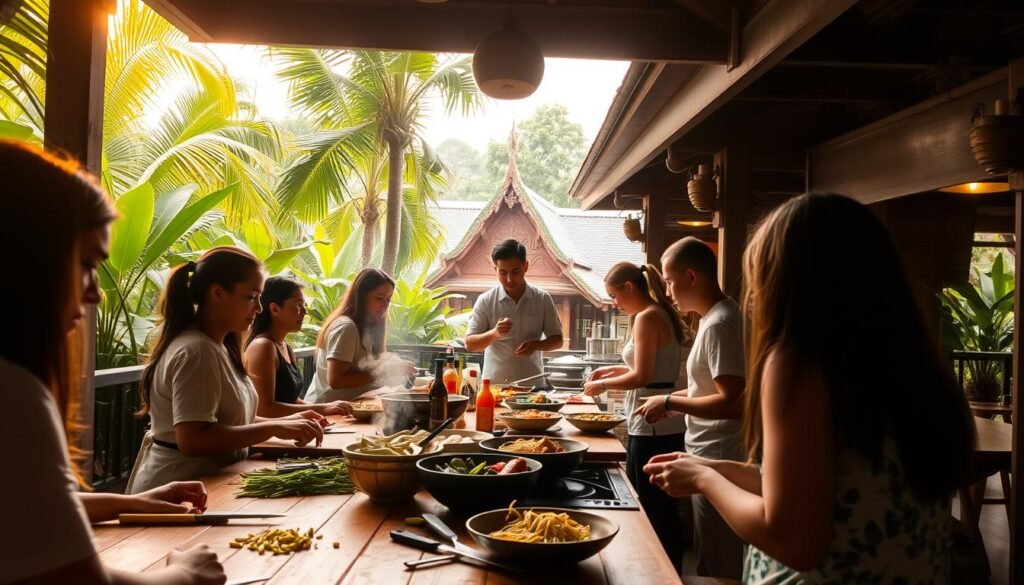
| Activity | Duration | Why try it |
|---|---|---|
| Market-led cooking class | 3–4 hours | Hands-on learning and local flavors |
| Spa / hotel day pass | 2–5 hours | Rest, pool time, scenic relaxation |
| Old City walking tour | 1–2 hours | Lanna history and neighborhood context |
| Short Doi Suthep visit | 1–2 hours | Forest temple and quieter views |
- Start morning at the market for the cooking class.
- Recover mid‑day with spa time or pool access.
- Spend late afternoon in a café, then the night market for souvenirs.
Swap in the sand: Islands alternative to Chiang Mai for days five to seven
If you want a beach finish, take a short flight south and trade temples for turquoise water. Use Phuket as your practical base and book fast connections from either the capital or chiang mai.
Phuket base with day trip to Phi Phi or Phang Nga
From Phuket you can choose a classic day trip to phi phi for white-sand coves and dramatic cliffs. Or pick Phang Nga Bay for emerald water and the famous James Bond karsts.
Khao Sok National Park add-on for nature lovers
If you prefer jungle over shore, drive inland to Khao Sok national park. Stay on raft houses, paddle canoes, and hike under towering limestone peaks.
| Base | Best short activity | Why choose it |
|---|---|---|
| Phuket | Boat to phi phi | Easy piers, many hotel options near beaches |
| Phang Nga | Sea kayak & sightsee | Scenic karst landscapes, quieter waters |
| Khao Sok | Overnight raft stay | Rainforest, wildlife, calm lake |
With only a few days, pick one island boat day and save a full day for beach downtime and sunset dinners. Check season windows—Andaman is best Nov–Apr—then book flights and transfers that fit your pace.
One Week in Thailand: Bangkok, Chiang Mai & Islands
A focused travel loop lets you trade long transfers for fuller days of food, temples, and coastal calm.
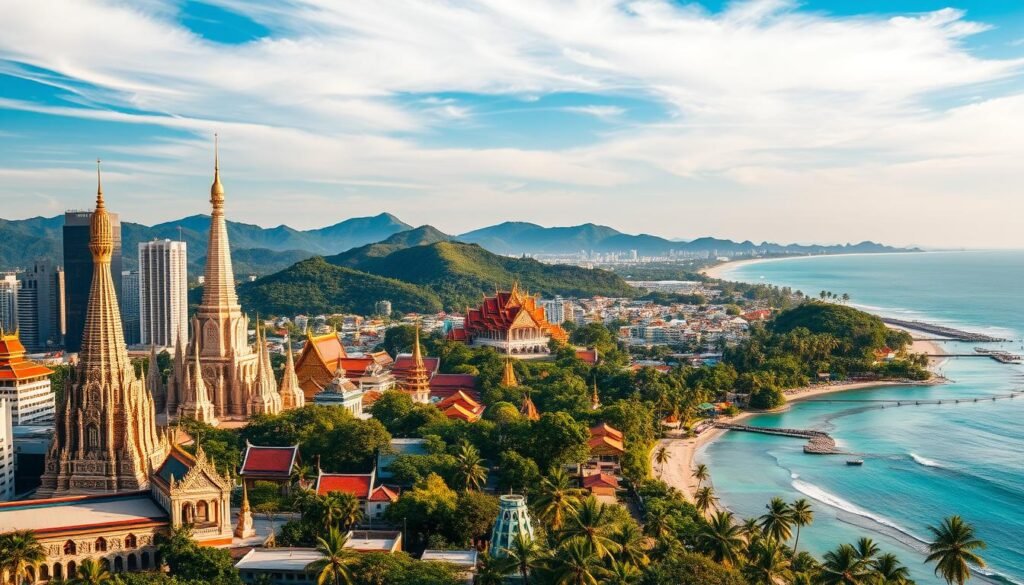
This quick recap shows how the itinerary stacks: start with big-city temples and river markets, move north for culture, temples, and humane elephant viewing, then finish with an optional beach base and a boat day. Each move is short and frequent, so you lose less time to transit.
Want to add or shave half-days? Swap a Bangkok market morning for a late flight north, or take a morning flight south to the coast and reserve an afternoon for beach rest. Always confirm whether your flight departs from BKK or DMK and double-check baggage rules for domestic carriers to avoid fees.
| Phase | Core focus | Typical pace |
|---|---|---|
| Bangkok start | Palaces, markets, street food | Fast, packed mornings; gentle evenings |
| Chiang Mai middle | Temples, mountain viewpoints, sanctuaries | Slower, cultural exploration |
| Optional islands end | Beaches, boat trips (Phi Phi/Phang Nga) | Relaxed or active boat days |
This bird’s-eye view keeps your trip practical and flexible. Use the day itinerary links in the guide to swap activities and tailor energy levels. Pack light when possible and book short domestic hops early to make every day count.
Getting around in a week: flights, trains, songthaews, and Grab
Plan your transport like a rhythm: short hops, quick transfers, and simple local rides to keep days full and calm.
Domestic flights and baggage gotchas
Confirm whether your domestic flights leave from BKK or DMK before you book. Allow 60–90 minutes to transfer between airports if schedules force it.
Budget carriers often charge for checked bags. Add baggage online when you book to save money and time at the counter.
City transport: BTS/MRT, songthaews, and Grab
In the city, use the BTS/MRT for speed and predictable travel. River ferries are the easiest way to hop between riverside temples and markets.
Up north, flag a shared songthaew for short hops or call Grab for direct rides. Both are cheap and keep you on schedule.
Trains are scenic but slow; for a tight itinerary, prioritize flights and short local rides to protect your exploring time.
| Mode | Best use | Quick tip |
|---|---|---|
| Flight | Long city-to-city hops | Check airport code (BKK/DMK) |
| BTS/MRT & ferries | Fast city travel | Buy a day pass for multiple rides |
| Songthaew / Grab | Short local trips | Carry small change; agree price if shared |
Where to stay: vetted hotels in Bangkok, Chiang Mai, and Phuket
Where you sleep shapes how much of the city you actually see each day. Pick a base that keeps transit short so you can spend mornings at markets and afternoons on sights.
Bangkok: budget, mid-range, and luxury near the action
For budget-friendly river views, New Siam Riverside sits close to ferries and markets. It saves time and puts boat rides within easy reach.
Casa Vimaya Riverside is a mid-range pick with a rooftop pool and calm riverside vibe that still connects you to the BTS and river piers.
If you want to splurge, Grand Hyatt Erawan gives you direct BTS access and full-service amenities to recover after long days.
Chiang Mai: Old City charm and boutique picks
Base yourself in the Old City to walk to temples and night markets. Suan Dok Gate Guesthouse is cozy value right by the moat.
T-Heritage Hotel and Kiri Hotel are boutique options that put you steps from cafés and key sights. For quieter lanes, look for small hotels tucked along the moat.
Phuket and practical tips
Choose a beach that matches your mood: Patong for nightlife, Kata/Karon for balance, Kamala or Bang Tao for a calmer stay. Those choices shape how you spend short beach days.
Confirm airport transfer times with your hotel so early departures and boat tours run smoothly. Book cancellable rates when you can; flexibility helps on a tight thailand itinerary and eases last-minute changes to your trip.
Street food, markets, and must-try dishes you can’t miss
Taste your way through bustling lanes and morning markets—this section maps the must-try bites and where to find them. Local stalls are where the city’s flavor lives, and they fit neatly into your thailand itinerary.
Bangkok classics: pad thai, mango sticky rice, night food tours
Start at Wang Lang or Chinatown for pad thai, grilled meats, and mango sticky rice. Crowds mean fast turnover and fresh plates.
Join a night food tour on your first evening. A guide points out safe vendors and helps you sample more in one night.
Northern flavors: khao soi, sai ua, and market bites
Up north, look for khao soi for lunch and sai ua from market grills. Pair those with spicy nam prik and sticky rice for a full regional spread.
- Follow sizzling woks and long lines—these signs usually mean great flavor and safer turnover.
- Ask vendors to adjust spice and note ingredients for allergies.
- Bring small bills; expect low prices and quick, casual seating or standing dining.
“Let curiosity guide your forks: try small portions, compare stalls, and make food the highlight of your day.”
Smart budgeting, cultural etiquette, and packing for the season
A little planning goes a long way for budgeting, dressing respectfully, and packing the right layer.
Build your daily budget around markets and street eats; many dishes run from about 40 THB and massages start near 300 THB per hour. This lets you enjoy the destination without overspending.
For temples, carry a light scarf or shawl and wear longer shorts or pants to cover shoulders and knees. You’ll save time and avoid renting cover-ups on site.
Think about the season when you plan your days. The dry season gives blue skies and higher rates, while rainy months bring savings and short downpours—bring a compact umbrella either way.
- Add checked bags to budget carrier bookings before the counter to avoid surprise fees on flights.
- Pack reef-safe sunscreen and quick-dry clothing for beach or national park days.
- Bring a layer and sturdy shoes if you plan Doi Inthanon or other north hikes.
Keep small bills for vendors, learn a few Thai greetings, and save Chiag Rai-style side trips for another visit if you want a less rushed thailand itinerary.
Conclusion
Finish strong: keep travel time low and memory time high by following this focused, flexible thailand itinerary for one week. This friendly guide helps you move from river temples to mountain views, then choose a coastal day for sun and boats without overpacking your schedule.
Let street eats and local markets fill your afternoons, and reserve one beach day to visit phi phi for iconic scenery. Balance active mountain walks with gentle downtime on the sand so each moment feels intentional. Short domestic hops save precious time and let you savor more places.
Use this day itinerary as a framework, not a rule. With smart planning, curiosity, and room for serendipity, your trip becomes a memorable first taste—one that sends you back with reasons to explore northern thailand, chiang mai side trips, or chiang rai on a future return.