One Week in Istanbul: Where East Meets West
Can a single trip capture two continents, empires, and a skyline that has shaped the world?
You’ll base your travels along the Bosphorus, hopping ferries and trams as you trace 2,500 years of layered history. The strait links the Black Sea to the Mediterranean and explains this city’s global role as a maritime hub.
Start in Sultanahmet for Hagia Sophia, the Blue Mosque, the Basilica Cistern, and Topkapı Palace. Blend landmark tours with market stops at the Grand Bazaar and Spice Bazaar, then cross the Galata Bridge to café-lined streets and Art Nouveau charm.
Plan a golden-hour Bosphorus cruise, wander Kadıköy markets for local bites, and save time for hidden gems like Chora and the Archaeological Museum. Smart timing, skip-the-line tickets, and short rests turn a packed week into a rich, effortless experience.
Key Takeaways
- Use ferries and trams to connect Europe and Asia and maximize your days.
- Mix major monuments with markets and neighborhood strolls for balance.
- Book skip-the-line options and watch prayer times to save hours.
- A Bosphorus cruise at sunset offers the most unforgettable views.
- Plan downtime for tea, hammams, and local meals to absorb the culture.
Your game plan for visiting Istanbul now
Start by setting realistic goals for your days: mix must-see monuments with slow neighborhood strolls and regular breaks. That keeps energy up and helps you enjoy both famous sites and local life.
Set expectations: rich history, two continents, and lots of walking
Expect stairs, cobbles, and several miles of walking each day. Major sights like Hagia Sophia and the Blue Mosque are busiest mid-morning; arrive at opening for lighter lines.
Dress modestly for mosque visits: cover shoulders and knees, women use headscarf when needed, and remove shoes inside. Prayer times can restrict access, so check schedules before you go.
Best seasons and crowd patterns for your week
- Choose shoulder seasons: April–June and September–October offer milder weather and fewer people.
- Summer brings heat and larger crowds—plan heavy touring for mornings and avoid midday sun.
- Build recovery windows: cafés, shaded parks, or a ferry ride restore energy without losing time.
| Plan Type | Recommended Days | Why it helps |
|---|---|---|
| Heavy landmarks | 2 days | Focus allows early starts and skip-the-line tickets |
| Neighborhood strolls | 2 days | Deeper cultural flavor and relaxed pacing |
| Bosphorus / Asia-side | 2 days | Water views, markets, and varied local life |
Map the city: Europe, Asia, and the Bosphorus Strait
A quick map helps you see how water shapes the city and your route between shores. The main channel is the bosphorus strait, a roughly 30 km corridor that links the Black Sea to the Sea of Marmara.
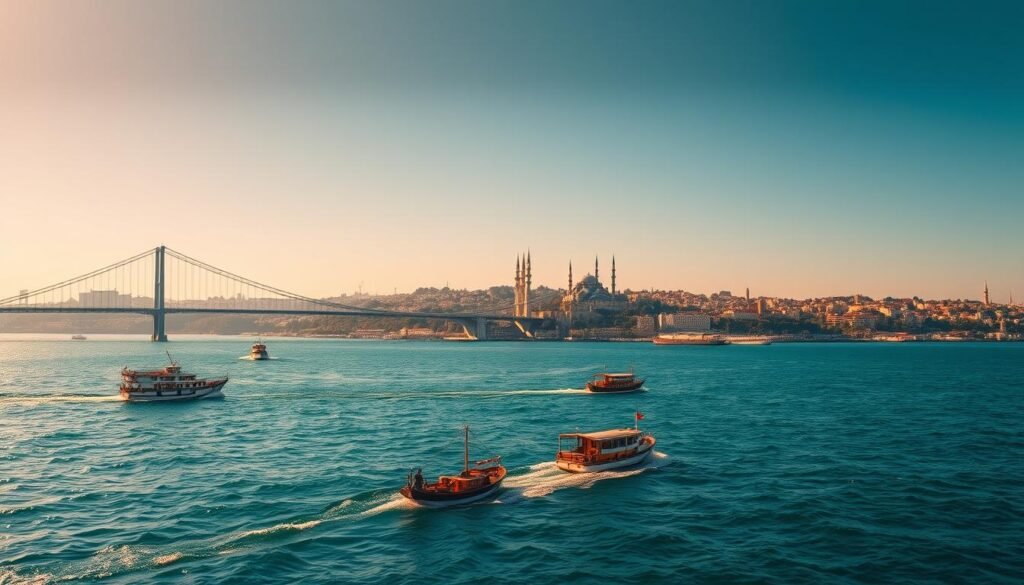
How the strait links seas and shapes traffic
The bosphorus strait ranges from about 700 to 3,700 meters wide at points. This narrowing creates dramatic views and shipping chokepoints.
The 1936 Montreux Convention protects free passage, underlining the strait’s global economic and political role.
Golden Horn basics and why it mattered
The Golden Horn is a 7.5 km natural harbor on the European side. It sheltered fleets and fueled trade, giving the old town its long-term advantage.
- Visualize: the Bosphorus splits north–south; europe asia shores connect by ferries.
- Plan crossings: use ferries and tram-funicular combos to save time and legs.
- Landmarks from water: spot Ortaköy Mosque, Dolmabahçe, and Rumeli Fortress while cruising.
| Feature | Length / Size | Why it matters |
|---|---|---|
| Bosphorus Strait | ~30 km; 700–3,700 meters | Major maritime corridor; scenic crossings |
| Golden Horn | 7.5 km | Historic harbor; vibrant shore neighborhoods |
| Bridges & Ferries | Multiple spans | Link europe asia sides; practical for travel |
One Week in Istanbul: Where East Meets West
Structure your trip as a series of easy loops that mix landmark visits with neighborhood breaks and ferry rides. Plan each loop so a major monument sits beside a market or café. That keeps your energy steady and your schedule flexible.
Think like a local guide: pair Hagia Sophia with the Blue Mosque and the Hippodrome for a compact morning. Later, switch to bazaars and Süleymaniye for indoor relief on hot afternoons.
Using trams and ferries to save time between sights
Use the T1 tram to move quickly through Sultanahmet and reach the Grand Bazaar. Ferries link Eminönü or Karaköy with Kadıköy on the Asian side, turning travel into a scenic, restful leg.
- Split your week: Days 1–2 for Sultanahmet icons; Day 3 for Topkapı and bazaars; Day 4 for Byzantine gems and the Golden Horn.
- Save Day 5 for a Bosphorus cruise and bridge views; Day 6 for Kadıköy markets on the Asian side; Day 7 for the Archaeological Museum and a slow finish.
- Factor recovery: plan a café stop after each major site and use ferry time to reset before the next neighborhood stroll.
Track opening hours and prayer times so your daily loop flows without interruptions. Add small upgrades like a hammam or rooftop sunset to elevate a tour without wearing you out.
Sultanahmet essentials: Hagia Sophia, Blue Mosque, and the Hippodrome
Begin your Sultanahmet loop where empires overlap and every stone tells a story. This compact area packs iconic landmarks and easy walking routes for a focused morning of sightseeing.
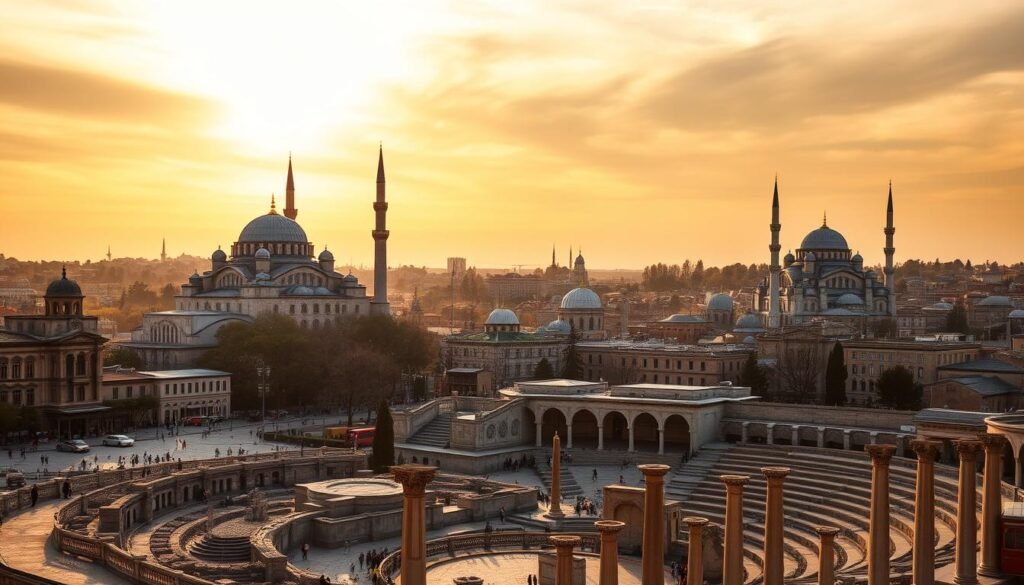
Hagia Sophia highlights: dome, layers of faith, and timing your visit
Start early at hagia sophia to see the central dome glow from 40 arched windows before crowds arrive. The building served as cathedral, mosque, museum, and mosque again—Byzantine engineering meets Ottoman layers and modern restoration.
Blue Mosque etiquette: İznik tiles, prayer times, and dress code
Cross Sultanahmet Square to the blue mosque and admire over 20,000 hand-painted İznik tiles and six minarets. It welcomes non-worshippers outside prayer times; cover shoulders and knees, women wear headscarves, and remove shoes.
Quick stops: Hippodrome monuments and Basilica Cistern
Walk the Hippodrome to spot the Serpent Column, the Obelisk of Theodosius, and the Walled Obelisk—remnants of Constantinople’s public arena. Then cool off at the Basilica Cistern with its moody aisles and Medusa-head column bases.
- Combine hagia sophia, blue mosque, and the Hippodrome in one loop and pause for tea overlooking the square.
- Bring a steady hand for low-light photography, respect worshippers, and buy tickets ahead to avoid lines.
- Exit by quieter side streets toward lunch to dodge tour-bus crowds and enjoy local cafés.
Topkapı Palace and Harem: inside the Ottoman world
Step into the sultan’s world at Topkapı Palace, where courtyards, private suites, and jeweled rooms form a living exhibit of court life.
Enter early and follow the public courtyards in order. That helps you save the Harem for mid‑visit, when crowds thin and light reveals tilework details.
The Treasury is a must for its ceremonial objects and jeweled pieces that show imperial scale and craft. Don’t miss the textile rooms; sultans’ robes tell a social story through fabric and tailoring.
What to see first: courtyards, treasury, and tilework
- Prioritize Treasury and textiles if time is tight.
- Budget extra for the Harem to study Iznik tiles and latticework.
- Use balcony viewpoints for photos of the Bosphorus and Golden Horn.
| Area | Highlights | Best timing |
|---|---|---|
| Outer courtyards | Gates, audience chambers, gardens | Opening hour |
| Treasury | Jeweled artifacts, ceremonial pieces | Mid‑morning |
| Harem | Tilework, wooden lattice, private rooms | Late morning or midday |
| Viewpoints & exit | Balconies over waterways, Gülhane Park nearby | Afternoon stroll |
Topkapı Palace is also a museum of lived history and architecture. Hydrate, rest between sections, and pair the visit with Gülhane Park to balance intense interiors and open air.
Grand Bazaar and Spice Bazaar: shop, sip, and savor
Wander through centuries-old arcades that still pulse with bargaining, tea, and small discoveries.
The grand bazaar dates to 1461 and sprawls across 61 streets with more than 4,000 merchants. Crafts cluster by trade—gold, textiles, ceramics, and antiques—so enter with a simple plan and head to lanes that match your shopping list.
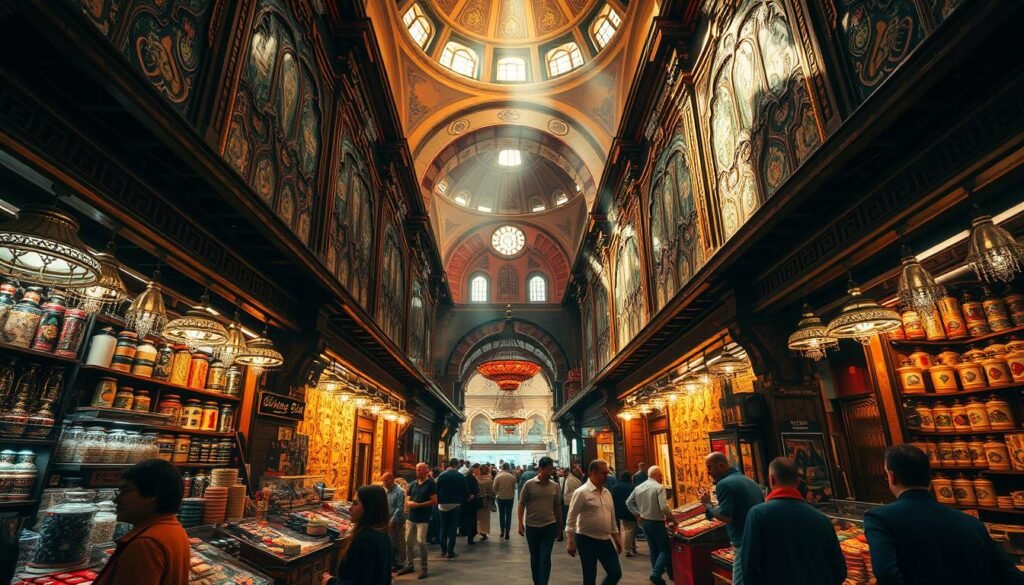
Grand Bazaar navigation: grouped crafts, bargaining, and tea culture
Bargaining is a friendly ritual here; smile, make an offer, and expect counters. Vendors often offer çay (tea) as a courtesy—accepting it can make the rhythm of negotiation more relaxed.
Ask about materials, origin, and return policies before you buy. Take short breaks in inner courtyards to rest and avoid aimless wandering through the crowded area.
Spice Bazaar history: New Mosque complex and edible souvenirs
The Spice Bazaar, built in 1664, sits beside the new mosque and recalls the Silk Road’s trade in spices and sweets. It’s packed with spices, lokum (Turkish delight), dried fruits, nuts, honey, and even specialty caviar.
- Shop edible items late afternoon when crowds thin; vacuum-sealed packs travel best.
- Tie a visit to the new mosque courtyard for a quieter architectural pause between purchases.
- Combine bazaar browsing with a stroll along Galata Bridge to enjoy waterfront views and local scenes.
Old Town to New District: Galata, Karaköy, and beyond
Crossing from the Old Town toward Galata opens a fresh mix of narrow alleys, cafés, and skyline views. This stroll swaps grand monuments for boutique shops and striking façades.
Galata Tower views and Art Nouveau streets
Climb or take the elevator to the tower for sweeping city panoramas. From the top you see spires, rooftops, and the curve of the harbor laid out like a map.
Wander down past Art Nouveau architecture and boutique windows. The streets showcase layered architecture where old stone meets refined details.
Karaköy cafés, contemporary vibes, and street art
Karaköy hums with cafés, mezes, and murals. Snack as you go—simit and baklava make for light sharing while you café-hop.
Walking tips for hills and cobbles
- Use the Tünel funicular to avoid a steep climb and save energy for exploring places on foot.
- Wear grippy shoes; cobbles and broken sidewalks are common on hilly routes.
- Time your walk for late afternoon light and pause on a waterfront bench for golden-hour photos.
- Carry water and pivot indoors—galleries and small museums offer shade and respite.
The Bosphorus cruise: classic route with Europe-to-Asia views
Glide along the water and watch palaces, fortresses, and bridges unfold like a live history lesson. A short cruise is an easy, low-effort way to take in major waterfront landmarks while you rest between walking days.
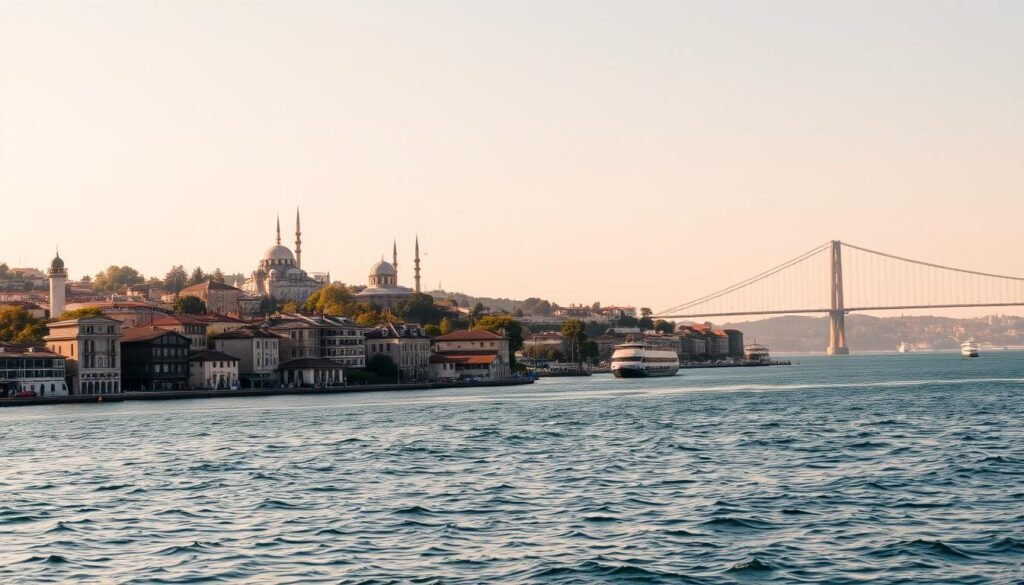
What you’ll see from the water: palaces, fortresses, and bridges
Typical routes pass Dolmabahçe Palace, the imposing Rumeli Fortress, and the bridge spans that stitch the city together. Tea or coffee is often served as staff point out history-rich shorelines and notable buildings.
Choosing your cruise: sightseeing, dinner, or private yacht
Options range from 2.5-hour sightseeing loops to evening dinner sailings and private yacht hires. Book a mid-morning or sunset cruise for the best light and cooler breezes, and reserve ahead in peak season to secure prime seating.
Photogenic stops: Ortaköy Mosque and waterfront mansions
Frame Ortaköy Mosque against a bridge for an iconic shot. Many itineraries include a short stop at Kanlıca on the Asian shore so you can briefly set foot on both continents.
- Pick a format that matches your pace: quick hop, relaxed dinner, or private route with customizable stops.
- Track the waterfront lineup: riverside yalıs, Dolmabahçe’s facade, and Rumeli’s ramparts make great photo backdrops.
- Bring a light layer for wind, sip tea during commentary, and treat the cruise as a scenic break between busy days.
Cross to the Asian side: Kadıköy markets and local life
A short ferry ride delivers you to the asian side, where fishmongers, meyhanes, and dessert counters set a relaxed pace.
Kadıköy’s markets brim with fresh catches, olive oil shops, spice stalls, and indie stores. Public ferries connect back to europe asia routes easily, so travel feels both effortless and scenic.
Progressive lunch ideas: mezes, seafood, and Turkish delight
Turn lunch into a mini food crawl. Start with small mezes, move to grilled fish or stuffed mussels (midye dolma), then finish with Turkish delight and strong tea.
- Ride a public ferry to Kadıköy for a market-first experience and wide sidewalks.
- Browse olive oil boutiques, cheese counters, and spice sellers—ask for tastings.
- Pause at a meyhane for a shared spread and a glass of rakı to taste local culture.
- People-watch on pedestrian streets and duck into bookshops or craft stores between bites.
- Time your return to the european side for sunset on deck; it’s a local ritual.
Keep portions small—three to five mini-courses across venues works best. Bring cash for vendors and a camera for candid market life: stacked produce, friendly banter, and curious cats make great shots.
Byzantine and city walls: Chora Church and Fener color
Choose a morning to pair Chora’s interior with a walk along the old walls and a stroll through Fener and Balat. This route mixes sacred history with lively street scenes, offering a compact taste of the city’s layered character.
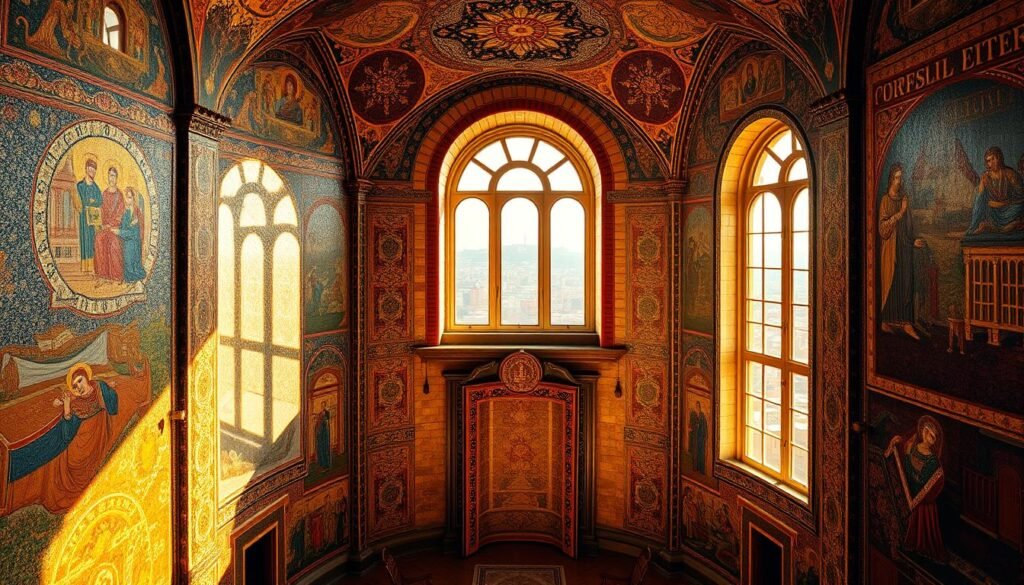
Chora mosaics and frescoes you shouldn’t miss
Visit Chora early to pore over luminous mosaics and fresco cycles that rank among the finest Byzantine artworks. Note iconography and the small restoration plaques; they explain scenes and conservation efforts.
City walls strolls and Golden Horn neighborhoods
Walk short segments of the Theodosian walls to grasp defensive scale — some stretches still rise several meters above street level. Then dip into Fener and Balat for color-drenched houses, vintage shops, and café corners full of local life.
- Balance sacred art with street scenes: incense inside, laundry lines outside.
- Wear sturdy shoes for uneven stones and stairs.
- If time is tight, prioritize Chora’s interior and one photogenic lane in Balat.
- Consider a taxi to compress transitions and protect your schedule at top attractions.
Respect active worship spaces: follow signage and dress modestly. This short loop feels like a small museum visit and a neighborhood walk rolled into one, revealing why the city’s past still shapes its present.
Mosques beyond the big two: Süleymaniye serenity
Climb a gentle hill to find Süleymaniye, a mosque complex that feels like a peaceful rooftop over the city.
Choose Süleymaniye when you want a calmer contrast to busier tour stops. The site sits above the Golden Horn and often welcomes quieter crowds.
Admire Mimar Sinan’s architecture: balanced domes, layered courtyards, and elegant interior lines. The design shows measured proportion and craft at every turn.
“Here, the call to prayer echoes across the hilltop, folding sound into space and calm.”
Stroll the gardens and visit tombs to feel more of the complex’s history and social role. Use the terrace for broad views over the Golden Horn and neighboring neighborhoods.
- Pair Süleymaniye with a Spice Bazaar stop for contrast: quiet sanctuary, then lively market.
- Keep mosque etiquette: modest dress, low voices, and remove shoes.
- Visit mid-morning or late afternoon for softer light and fewer people; short visits work well with kids.
Scan calligraphy panels and tile motifs to compare with other mosque tilework you’ve seen. This stop rewards small, observant moments and a slower pace.
Istanbul Archaeological Museum: time travel under one roof
A visit here feels like walking through time, from classical statuary to Babylonian reliefs. The complex brings together İznik tiles, Greek and Roman sculptures, and Near Eastern friezes in a world-class display that makes history tangible.
Start with headline sculptures—Greek idealized forms and Roman portraits show how taste shifted with power. Then seek the Babylonian reliefs; their color and narrative panels read like carved storybooks.
How to tour smart
Build a 90–120-minute route to cover highlights without fatigue. Use gallery maps to hop between civilizations and compare artistic dialogues across time.
- Enjoy the cool, climate-controlled interiors as a weather hedge on hot afternoons.
- Photography is usually allowed without flash—check posted rules when you enter.
- Read wall labels for context about trade routes and the city’s role linking artifacts to wider networks.
- Stop by the gift shop for curated books and replicas that travel well.
Tip: Pair the museum with a light lunch and a shaded park break nearby. It makes for an easy cultural block and a flexible, lower‑effort day if you need one.
“A good museum visit feels like a compact course in history and architecture.”
Eat like a local: street bites to sit-down feasts
Food is how neighborhoods reveal themselves; eat widely and you’ll learn the city fast.
Where to try börek, kebabs, and midye dolma
Start mornings at a neighborhood bakery for börek—flaky, warm, and perfect with tea. Grab a simit at the ferry pier for a quick snack between sights.
- Snack on midye dolma from market stalls; a squeeze of lemon brightens the shellfish.
- Book a table at a meyhane for mezes and grilled fish in the evening.
- Try regional kebabs—Adana and Urfa offer spice and texture beyond the usual döner.
- Save room for desserts like baklava, künefe, and Turkish delight from the Spice Bazaar.
- Join a guided culinary tour or create a progressive lunch across three to five small stops for a fuller tasting experience.
Ask vendors about provenance—olive oils, cheeses, and spices tell a regional story. Pick places where locals eat to avoid tourist traps and soak in daily culture. These small choices shape a richer food experience and help you move like someone who lives here.
Smart logistics: tickets, lines, and timing
Plan your logistics so mornings are heavy on landmarks and afternoons are free for markets or ferry rides. Early starts and tight sequencing cut queues and keep energy steady. Professional tours often shift schedules to dodge heat and lines, focusing on shaded talks and quieter windows.
Skip-the-line strategies and prayer-time planning
Buy timed entries or reputable skip-the-line passes where available. Set your first entries at opening for major monuments to beat most crowds. Check daily prayer times and plan mosque visits between services; mosques close for worship and require modest dress.
When to book tours and how to pace each day
Book specialized tours a few weeks ahead in peak season. Smaller groups move faster and give context. Front-load the day with two big sights, then switch to markets, museums, or a ferry as crowds grow. Keep one flexible slot each afternoon to pivot by weather or fatigue.
“Smart sequencing saves hours: use a short morning sprint, a midday rest, and a scenic afternoon leg.”
| Strategy | Why it helps | Best for |
|---|---|---|
| Timed tickets | Reduces queue waiting and spreads visitors | Major monuments |
| Small-group tours | Faster access, richer commentary | Art, history, and hidden corners |
| Ferry legs & trams | Restful travel and quick transfers | Cross-shore movement |
- Use guide help for crowd-aware sequencing and shortcuts between clusters of attractions.
- Book tours early in summer; reserve with flexible cancellation where possible.
- Group transit legs to minimize backtracking—trams and ferries are your best allies.
- Carry a scarf and layers to meet mosque rules without returning to your hotel.
- Hydrate, snack often, and treat tea stops as tactical rest points.
Wellness and culture: Turkish bath, calls to prayer, and evenings
Evenings offer a softer side of the city: prayer calls, dimmed streets, and restorative baths.
How to choose a hammam and what to expect
Pick a hammam that clearly lists services and pricing so you know whether a traditional scrub and foamy massage is included or sold separately. Book evening slots after long walking days and allow 60–90 minutes for a full unwind.
Expect gender‑separate sections or alternating hours. Some venues ask for swimwear; others provide towels. Hydrate before and after, and don’t go on an empty stomach.
“Warm marble, steam, and a brisk scrub can feel like new legs after a day of touring.”
- Choose spots recommended by your hotel or a trusted tour operator.
- Opt for modest cultural evenings: a dervish ceremony, live music, or a mellow meyhane dinner.
- Keep nights light so you preserve energy for the next day.
| Option | Duration | Best for |
|---|---|---|
| Traditional hammam | 60–90 min | Recovery after heavy walking |
| Cultural evening (dervish/music) | 60–75 min | Quiet, authentic cultural experience |
| Night ferry or tea by water | 30–60 min | Relaxed view and soundscape of calls to prayer |
Conclusion
End your trip by letting slow ferry rides and rooftop sunsets stitch together what you’ve seen. A well-paced seven-day plan gives you headline mosques, palaces, markets, and waterfront views without burning out.
With early starts, smart sequencing, and ferry breaks you’ll visit efficiently and still feel relaxed. Balance big sights with neighborhood meanders to connect epic history to everyday life.
Eat locally, trust trams and ferries, and leave room for surprises. These choices turn a busy tour into a memorable travel story. When you return, this one world city will invite a deeper visit or a longer tour across the country.



0 Comments