One Week in Kyoto & Osaka: Temples, Food & Culture
What if a single seven-day trip could change how you see a whole region? This guide shows how to balance headline sites with quiet corners so your days feel full but relaxed.
You’ll follow a friendly, step-by-step itinerary that blends must-see shrines and markets with local neighborhoods, shops, and hands-on craft classes. Expect practical timing tips, hotel ideas from traditional machiya stays to central budget choices, and advice on trains and passes so you spend less time waiting and more time exploring.
Start early for iconic photo moments, save room for market snacks, and fit a day trip or two to round out your adventure. This city-focused plan helps you meet people, taste memorable bites, and see a wide slice of the world’s history and modern life without rushing.
Key Takeaways
- Follow the timed itinerary to beat crowds and make the most of your days.
- Pick lodging that matches your style—machiya charm or a central value hotel.
- Reserve key tickets and compare JR Pass versus individual shinkansen fares early.
- Mix famous sites with offbeat neighborhoods for a fuller sense of local life.
- Use mobile transit cards and local rating sites to find reliable dining spots.
How to Use This How-To Guide for Your One-Week Japan Itinerary
Follow these practical tips to book smarter and move around with confidence.
This guide is laid out so you can scan each day and know which things matter most and how much time to set aside. Use the plan as a checklist: reserve key tickets, add a phone Suica, and aim to arrive at busy sites early.
Past-trip insights make the itinerary easier to use. Arrive before 9 a.m. at top spots, pick up reserved shinkansen tickets at kiosks, and check Tablelog scores (3.0+ is solid) when choosing restaurants.
- Start each morning early for fewer crowds and better photos.
- Keep one hotel and hop by train to limit luggage moves.
- Respect restricted Gion lanes and quiet shrine etiquette around local people.
| Task | Quick Action | Best Timing |
|---|---|---|
| Trains | Load Suica on phone; reserve shinkansen | Reserve 1 month before trip |
| Meals | Use Tablelog 3.0+ to pick spots | Book dinner, leave midday flexible |
| Top sites | Arrive early (Fushimi Inari ~7 a.m., Arashiyama | First light of the day |
Smart Planning Basics: When to Go, Crowds, and Budget-Savvy Moves
Choose your months and routine so you spend more moments enjoying places and less time standing in lines.
Timing your trip: shoulder seasons, cherry blossoms, and fall foliage
Aim for shoulder seasons to balance milder weather with fewer crowds. Recent travelers still report busy days during peaks, so expect spikes around blossoms and fall colors.
Beating the lines: arrive before 9 a.m., reserve tickets online
Build an early-morning rhythm for headline stops; plan Fushimi at ~7 a.m. and Arashiyama before 8 a.m. Pre-book museums and niche restaurants to skip long queues.
JR Pass vs individual tickets: how to decide and reserve shinkansen
Don’t auto-buy a JR Pass. Use a calculator to compare costs. Often, individual shinkansen fares win if your route set is light. Reserve bullet train seats online one month before and pick them up at station kiosks.
- Add a 10–15 minute buffer for transfers and wayfinding at big stations.
- Use Suica on your phone to tap on/off buses and trains for quick moves.
- Cluster indoor things midday and save outdoor strolls for cooler mornings and sunset views.
Where to Stay: Machiya charm, Ryokan hospitality, and city convenience
Your choice of lodging shapes how you spend each day, so pick the vibe that fits your plans.
You can wake up in a restored townhouse, step onto tatami, and feel local architecture around you. MACHIYA Inns & Hotels restore traditional homes and add modern comforts for a memorable home base.
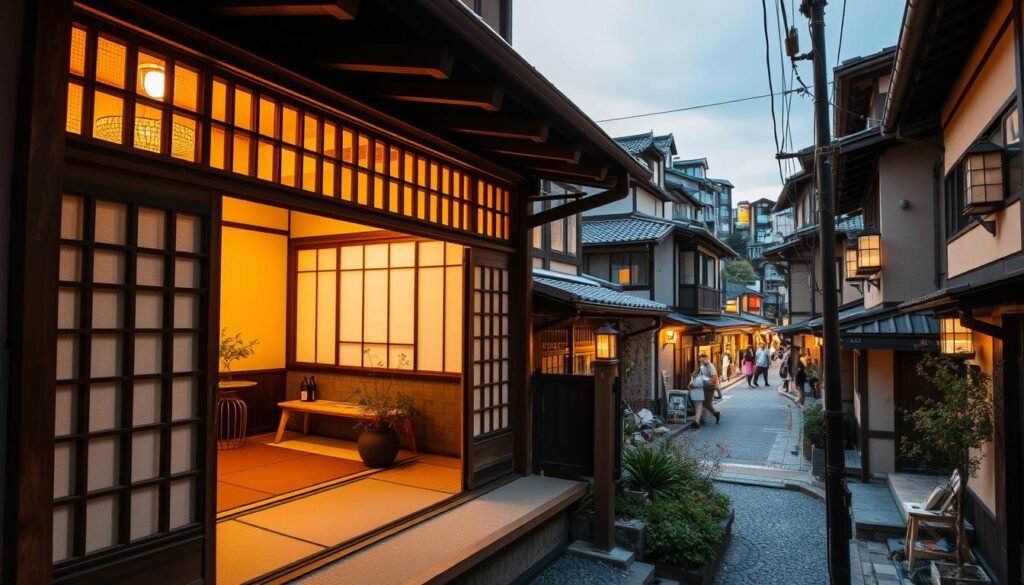
Traditional townhouses for an immersive stay
Choose a machiya stay if you want close-up details: sliding doors, low tables, and tatami rooms. These stays sit in a historic district near small shops and quiet streets.
Warm and central hotel option
Smile Hotel Kyoto Shijo offers a practical city base. Expect friendly service, easy transit links, and quick access to main districts and shopping areas.
Ryokan comforts and zen breakfasts
Ryokan Mugen gives calm mornings with light breakfasts—yogurt, fruit, cereal, and coffee or tea—overlooking a private garden. Hosts connect you to artisans, coffee shops, and standout restaurants like Sekkei or Fire Ramen.
- Pick a machiya for intimate architecture and immersive local traditions.
- Base near Shijo if you plan to shop and want quick returns to your room.
- Book a ryokan to enjoy tea rituals, quiet hours, and personalized dining suggestions.
| Type | Best for | What to expect |
|---|---|---|
| MACHIYA Inns | Immersive stays | Restored townhouses, tatami, modern amenities, local shops nearby |
| Smile Hotel Kyoto Shijo | Central convenience | Warm hospitality, quick transit access, close to major districts |
| Ryokan Mugen | Quiet, cultural experience | Zen garden views, daily light breakfasts, hosts arrange meals and tea visits |
Ask hosts for dinner reservations and local tips. Use this guide to match lodging to how you like to unwind—lively streets or garden mornings—and book early for peak seasons.
Osaka Day One: Districts, Retro Streets, and a Quiet Temple Moment
Start your Osaka day by tackling compact neighborhoods that mix big-name malls, retro lanes, and a calm temple stop. Begin in the Kita ward, where Hankyu, Grand Front Umeda, and the Nintendo spot inside Daimaru make for a strong shopping start.
From there, drift to Amerika-Mura. These short streets hum with vintage shops, loud music, and students lounging on corners. You can dig for retro clothing and pause for a casual snack between stops.
Kita ward highlights
Hankyu and Whity Umeda are good places to browse exhibits and big-name stores. Grand Front offers lunch options and museum space if you want a light break near your shopping route.
Amerikamura and Nipponbashi
Amerikamura’s retro vibe is perfect for people-watching and thrift finds. Later, head to Nipponbashi Denden Town for anime, manga, and gaming souvenirs—think keychains and stickers that fit in your bag.
Hozenji Temple—quiet pause
Slip into Hozenji to light incense and see the moss-covered Buddha. Keep voices low and respect the small, sacred spot; it’s a calm contrast to the buzzing streets nearby.
- Start in Kita ward to cover malls and a flagship Nintendo spot.
- Mix vintage street browsing with short snack breaks.
- Save the temple visit for a peaceful pause mid-route.
- Use the area’s tight layout to minimize transit and maximize sights.
Osaka Day Two: Markets, Neon Canals, and Iconic Shopping Streets
Start your second day by chasing neon reflections and lively market aisles that show this city’s playful side.
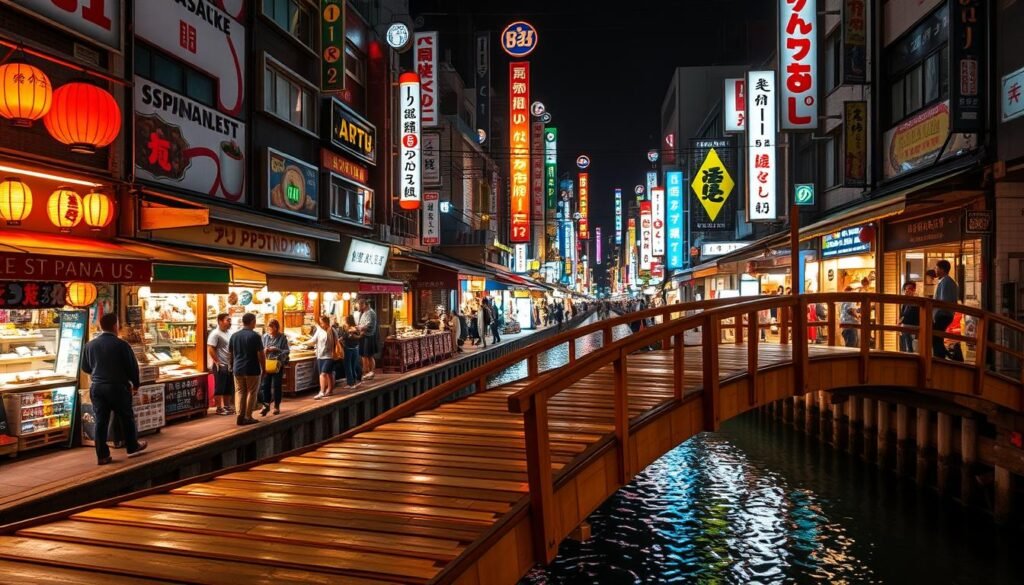
Sennichimae Doguyasuji
Begin at Sennichimae Doguyasuji market to pick up practical souvenirs. Look for ramen bowls, matcha tea sets, chopsticks, and sturdy cookware.
These shops are perfect if you want useful gifts that pack small and last long.
Dotonbori at sunset
Time Dotonbori for sunset so neon signs, 3D restaurant art, and food stalls glow at their most photogenic.
Expect crowds and move with the flow. Graze on skewers and sweets, and flag the Glico running man as a must-have photo spot.
Shinsaibashi-suji
Glide up the long arcaded street where shopping runs from fast fashion to specialty souvenirs.
You’ll find diverse shops across budgets, so keep purchases light and compare prices as you go.
“Look up — some of the best art lives above eye level on facades and signage.”
- Sample signature snacks between browse sessions to stay energized.
- Duck into side alleys for quieter photo angles and unexpected beauty by the canal.
| Area | Main draws | Best time |
|---|---|---|
| Sennichimae Doguyasuji | Kitchenware, tea sets, chopsticks | Morning to early afternoon |
| Dotonbori | Neon signs, 3D storefronts, street food | Sunset to early evening |
| Shinsaibashi-suji | Arcaded shops, fashion, souvenirs | Afternoon to evening |
Osaka Day Three: History, Architecture, and the Deep Blue Sea
Pair a deep dive into city history with a later visit to one of the planet’s most impressive aquariums.
Begin at Osaka Castle, built in 1597, to take in striking architecture and broad gardens that surround the fortress. The museum inside blends Japanese and English displays plus short reenactment videos that bring events to life.
Buy museum tickets in advance to skip long lines and save time for rooftop views and the landscaped grounds. If you prefer a guided tour, pick one that highlights the castle’s key artifacts and panoramic vantage points.
From fortress to aquarium
After an early lunch near the riverfront, head to Osaka Aquarium Kaiyukan, one of the largest in the world. Its immersive tank paths and multilingual signage make navigation easy without a local guide.
- Balance your day: morning castle, afternoon aquarium fits comfortably.
- Check show times and bilingual presentations so you don’t miss feedings or talks.
- If you travel with kids, ramps and gentle routes keep the experience smooth.
Kyoto Day Four: Fushimi Inari, Nishiki Market, and Canal Strolls
A sunrise hike through torii-lined trails gives you the calm most visitors miss. Aim to arrive at fushimi inari by about 7 a.m. The uphill walk to the top takes roughly an hour for fit visitors, with easy places to pause and respect shrine signage and local traditions.
Fushimi Inari Taisha: early-morning torii hike and shrine etiquette
Walk slowly and keep voices low near smaller altars. Treat this temple as a living place of worship, follow posted rules, and take a moment at quiet overlooks for photos.
Nishiki Market: street food, snacks, and quick souvenir stops
Slide over to Nishiki Market for taiyaki, beef-wrapped rice balls, and seasoning packets. The lanes get packed—grab a quick bite, sip tea from a stall, and use side alleys to regroup if crowds feel tight.
Sosui Canal Walk: Meiji-era streets, gardens, and slow travel
The Sosui Canal Walk stretches through garden pockets and old Meiji-era street scenes. Pick a shorter section if you’re pressed for time; even a brief stroll delivers nature and gentle people-watching.
- Bring a small tote for market finds so your hands stay free during the canal stroll.
- Keep the camera ready for torii shadows, market textures, and canal reflections—each spot offers a different mood and great photo spot.
| Area | Best time | Quick tip |
|---|---|---|
| Fushimi Inari | Early morning | Respect shrine signage |
| Nishiki Market | Late morning | Use side streets if crowded |
| Sosui Canal | Afternoon | Choose a short walk for nature and calm |
Kyoto Day Five: Arashiyama Groves, Monkey Park, and Kyoto Station Views
Start your day among towering bamboo stalks and quiet river views to catch early light and soft crowds.
Arrive at Arashiyama Bamboo Forest before 8 a.m. The grove is short, so move slowly and savor soft shadows for the best photos. If you keep walking uphill, you’ll find wider river and gardens views that reward the extra steps.
Plan a short 15–20 minute hike up to Iwatayama Monkey Park for a close nature encounter. Bring cash—there’s an ATM on site—and keep a respectful distance from the macaques. Follow posted rules and avoid feeding the animals.
Kyoto Station: modern design, views, and shopping
After Arashiyama, return to the city for Kyoto Station’s SkyWay and rooftop garden. The SkyWay gives clear skyline views, including Kyoto Tower by night.
The station acts like a small museum of modern transit design and architecture. It also has extensive shopping and dining, useful for last-minute souvenirs or a quick bite near your home base.
Gion stroll: Shinbashi Bridge and Hanamikoji Street
Finish the day with a calm walk through Gion. Pass Shinbashi Bridge and Hanamikoji Street to see classic wooden facades and street-level traditions.
Respect new visitor rules on restricted lanes to protect residents and geiko/maiko. If you want quieter photos, aim for late afternoon when tour buses thin and light is flattering.
“Start early, carry a light layer, and balance nature with urban sights for a full but relaxed day.”
| Stop | Highlight | Quick tip |
|---|---|---|
| Arashiyama Bamboo Forest | Photography at dawn, river views | Arrive before 8 a.m.; continue uphill for gardens |
| Iwatayama Monkey Park | Macaques and nature hike | 15–20 min hike; cash-only purchases; keep distance |
| Kyoto Station | SkyWay, rooftop garden, shopping | Great for skyline views and last-minute shopping |
| Gion | Traditional streets, Shinbashi Bridge | Follow posted rules; visit late afternoon for calm |
One Week in Kyoto & Osaka: Temples, Food & Culture — Day Trips, Trains, and Bucket-List Experiences
Day trips and standout experiences let you mix historic sights with modern thrills across short travel times.
Spend a half or full day in Nara for a compact history tour. Meet the deer at the Park—carry snacks carefully since deer can be pushy. Visit Tōdai-ji’s Great Buddha Hall, step onto the shaded paths of Isuien Garden, and pause at Nigatsudo for views.
Add a quick sake stop at Harushika for a five-sake tasting paired with crunchy Narazuke pickles. It’s a neat local lesson that fits into a busy day.
Kyoto cultural highlights and easy museum picks
Pair a tea moment at Murin-An—reserve ahead and remove shoes inside—with a walk through a garden. Then visit UNESCO World Heritage sites like Kiyomizu-Dera or Nijo Castle for strong history and views.
Bullet train and local train basics
Ride the bullet train corridor quickly between kyoto station and Osaka Station. Use Suica on your phone for seamless transfers. Compare a JR Pass against single tickets and reserve shinkansen seats about one month before travel.
Modern thrills and art
Dedicate time to Universal Studios Japan for blockbuster rides and teamLab Botanical Garden for immersive night art. These two spots balance thrills and contemporary art for varied adventure.
- Book a wagyu tasting or a sushi-counter experience for memorable food sampling.
- Try ramen-on-fire only with a safety briefing and expect long lines at popular tiny shops.
- Visit the Kyoto Railway Museum for historic steam and early bullet trains; booking via Asoview smooths entry.
| Experience | Why go | Quick tip |
|---|---|---|
| Nara day trip | Deer Park, Tōdai-ji, Isuien Garden | Carry small treats in wallet; watch deer etiquette |
| Tea & gardens | Murin-An, UNESCO world heritage sites | Reserve Murin-An; visit Kiyomizu-Dera early |
| Train basics | kyoto station links, Suica, shinkansen | Reserve seats 1 month ahead; use Suica for quick taps |
| Modern picks | Universal Studios Japan, teamLab Botanical Garden | Book timed tickets; plan evening for teamLab lights |
Conclusion
Conclusion
Close your trip by locking in a few practical habits that make travel calm and memorable. Start days early at headline temples, use Suica for smooth train transfers, and reserve shinkansen seats or popular tours before you go.
Balance busy markets with quiet tea pauses and small hands-on classes like kintsugi or Roketsu dyeing. Pick a single home base to cut transit time and give you restful evenings between districts.
The itinerary mixed history, gardens, art, and shopping so you felt the area’s life, not just a checklist. Keep a couple of free hours each day—sit, sip tea, and let the beauty sink in. Use these waypoints to craft your next tour or a deeper return trip.


0 Comments