One Week in Tokyo: Tradition Meets Future Travel Tips
Can a single trip really balance neon nights, ancient shrines, and a smart travel plan that feels relaxed? This guide gives you a clear, lived itinerary so your days flow and your energy lasts.
Start in Asakusa at Senso-ji and Nakamise, then ride the river toward Skytree. Run the Imperial Palace moat loop or stroll the East Gardens for calm between big sights.
You’ll eat at Tsukiji Outer Market, cross Shibuya at peak hour, and find quiet at Meiji Shrine and Yoyogi Park. Spend a museum day in Ueno, catch free city views at the Tokyo Metropolitan Government Building, and unwind in Golden Gai or Omoide Yokocho.
Choose a day trip to Nikko’s ornate Tōshō-gū or to Fuji/Hakone for ropeways and lake views. Practical tips are woven in: carry cash, learn simple Japanese phrases, and use exit strategies for mega-stations.
Key Takeaways
- Follow the itinerary clusters to save transit time and feel relaxed.
- Blend iconic spots with quiet parks for a well-paced week.
- Pack cash, a transit card, and a translation app for smooth travel.
- Use free observatories and timing tips to get great views.
- Pick Nikko or Fuji/Hakone for a memorable day trip finale.
How to Use This One-Week How-To Guide for First Time Visitors
This guide shows how to move through Tokyo by grouping nearby neighborhoods into easy, low-stress days.
Who this itinerary is for
You’re the target if you’re planning a first time visitors experience and want a proven, easy plan. This schedule blends big sights with calm breaks so you don’t burn out.
How to follow, swap, or shorten days
The curated plan mirrors real weeks that cluster neighborhoods: Shibuya/Harajuku/Yoyogi, Ueno’s cultural core, and Asakusa with Skytree. That pattern cuts backtracking and transit fatigue.
- Follow days in order if this is your first visit; clusters line up meals and transfers.
- Swap days Tokyo based on weather—save museums and shopping for rain, parks for clear mornings.
- Short on time? Pick one anchor per day (Senso-ji + Skytree; Imperial Gardens + Ginza; Shibuya + Harajuku) to compress the itinerary.
- Early risers beat crowds; night owls shift main sights later to enjoy evening energy.
- Choose Nikko or Fuji/Hakone for the final day trip based on shrines vs. lake views.
If walking tires you, add depachika café breaks or rooftop gardens between stops. Bookmark key station exits for Shinjuku and Shibuya to save steps and confusion. This week tokyo plan stays flexible—swap neighborhoods or build a themed food crawl without breaking the flow.
When to Visit Tokyo in 2023: Weather, Crowds, and Best Times of Day
Plan your days around softer light and thinner crowds so temples and parks feel peaceful. Mornings often offer the calmest start; Senso-ji empties before tour groups arrive, and joggers fill the Imperial Palace moat loop early. Use those quiet hours to get better photos and a gentler pace.
Morning calm vs. evening energy: planning by hours
Save morning visits for shrines and green spaces when the air is cool and the light is kind. Midday is perfect for museums and indoor stops when the weather warms and outdoor crowds peak.
Evenings bring the city’s peak energy: Shibuya Crossing fills up and Golden Gai buzzes after work. Shift meals earlier or later to avoid depachika lines during commute hours.
Seasonal notes for parks and temples
Spring lights up Ueno Park with blooms; summer shows pond life and lotus leaves. Meiji Shrine’s forest paths offer shade year-round, and you can still see ema wish plaques any season.
Autumn rewards leaf-peepers around palace gardens and nearby day-trip routes. Winter brings crisp skies that improve distant views from observatories. Check local event calendars—Yoyogi Park often hosts festivals and flea markets that can add a fun surprise to your trip.
Where to Stay for a Week in Tokyo: Central Bases for Easy Train Access
Pick a central base that cuts cross-city travel and keeps your daily plans simple. Base yourself near major lines so you spend more time sightseeing and less time changing trains.
Shinjuku and Shibuya are transport powerhouses. You’ll get unmatched late-night dining, dozens of lines, and direct links to many sights. Still, the station complex is huge—grab precise exit directions before you arrive.
Ginza and Nihonbashi
These neighborhoods offer polished streets and walkable evenings. Department store basements and gourmet stores make quick dinners easy. If you like refined strolls after museums or shows, this area fits well.
Nishiazabu / Minami-Aoyama
Choose this quieter, stylish area for café culture and discreet bars. You’ll be a short walk from Omotesandō shops and architecture while staying in a residential-feeling neighborhood.
- Base in central tokyo to cut commute times and simplify rail connections.
- Look for rooms near the lines you will use most; station proximity matters.
- Expect compact rooms—prioritize location over size to maximize time outside.
- Tourist conveniences and multilingual menus are easier to find in these hubs.
Day One: Asakusa Traditions to Tokyo Skytree Views
Begin your day with incense-scented calm at Senso-ji, then watch the city unfold from a towering vantage point.
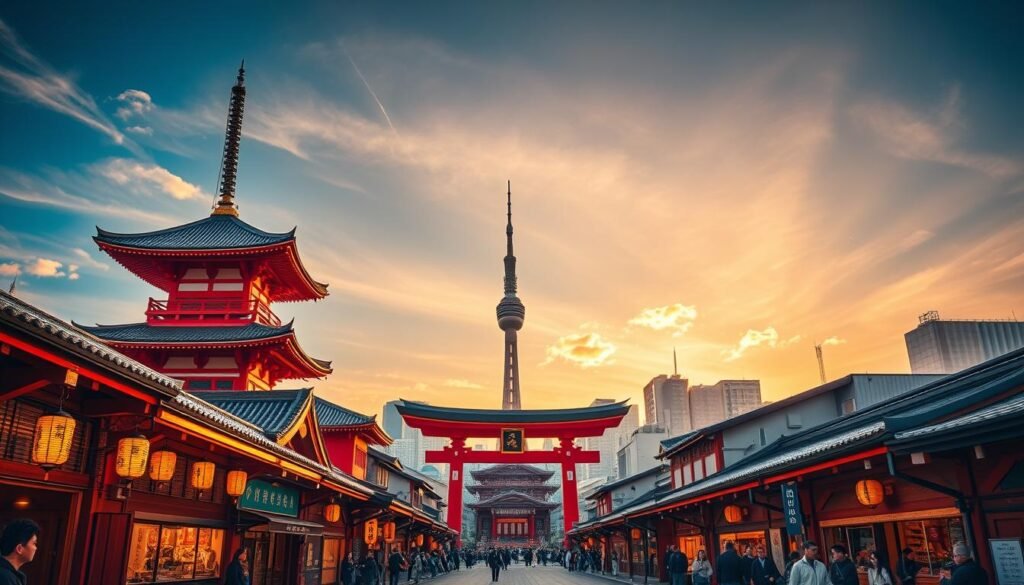
Morning at Senso-ji and Nakamise shopping street
Get an early start at the temple to catch morning prayers and incense smoke before crowds arrive. Walk slowly along Nakamise shopping street for taiyaki and classic souvenirs as small shops open.
Afternoon at Skytree and Solamachi shops
Head to the Skytree for sweeping views at 634 m. Spend an hour on the observation deck spotting landmarks across the city.
Explore Solamachi’s curated shops for ceramics, crafts, and character goods under the tower. If lines are long, browse first and go up later when queues thin.
Sumida River stroll and yakitori near the station
Return to the Sumida River for a gentle promenade. Street musicians and water buses add charm at sunset.
Cap the itinerary with yakitori by Asakusa station—simple counter dinners are perfect for sharing while locals unwind. Keep cash handy; some stalls are cash-only.
“Start early, savor small shops, then trade lanes for skyline views—it’s the balance that makes the day.”
| Best Time | Focus | Why it works |
|---|---|---|
| Morning | Senso-ji & shopping street | Fewer crowds, pleasant light for photos |
| Afternoon | Skytree & Solamachi | Clearer city views and relaxed shopping |
| Evening | River stroll & yakitori | Sunset photos and casual dinner vibe |
Day Two: Imperial Palace Gardens and Ginza Glamour
Begin the day with a brisk lap around the palace moat, then trade running lanes for garden paths and café aisles.
Moat loop and East Gardens
Start with a lap or two of the 5 km moat loop to see locals jogging beside castle walls and high-rise glass. The loop gives you city views framed by history.
Arrive at the East Gardens when they open at 9 AM. Walk past Edo Castle stonework and quiet seasonal beds to feel the site’s calm before crowds gather.
Tsukiji for lunch and Ginza curiosities
From the gardens, take a short subway ride or walk to Tsukiji Outer Market for a late-morning sushi lunch at long-standing counters. Respect queue etiquette for the best bites.
Spend your afternoon window-shopping Ginza’s flagship stores. Hunt basement cafés for cream puffs and coffee, and find rooftop gardens that offer small, lovely escapes above the streets.
Evening drinks and refined streets
Try a craft beer bar where brewers play with yuzu and shiso flavors you won’t find elsewhere. As lights warm the facades, photograph Ginza’s reflective lanes and polished storefronts.
“If the weather shifts, duck into galleries and indoor arcades; Ginza keeps its shine come rain or clear skies.”
| Morning | Afternoon | Evening |
|---|---|---|
| 5 km moat loop | Tsukiji sushi lunch; Ginza stores | Craft beer bars; rooftop nightcap |
| East Gardens at 9 AM | Basement cafés & depachika treats | Photograph reflective streets |
Day Three: Shibuya Crossing, Harajuku Style, and Meiji Shrine Serenity
Feel the pulse at the scramble, shop eclectic Harajuku lanes, and finish with a peaceful shrine stroll as the sun dips.
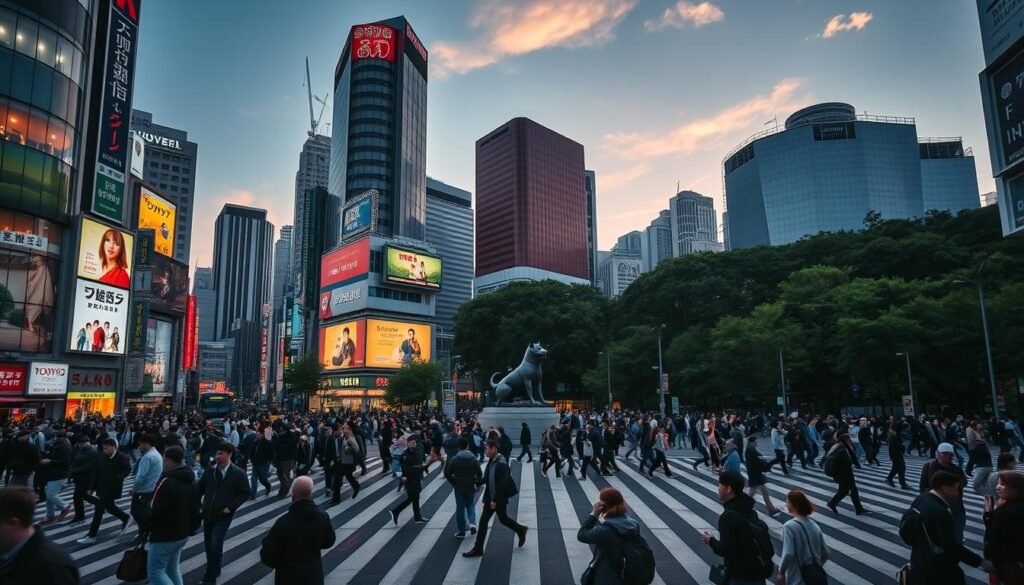
Street and sky at the scramble
Watch the shibuya crossing pulse from street level, then climb to Shibuya Sky for an overhead take. Rush-hour choreography feels like a live show.
Meet at Hachikō by the station if you split up. Arrive a bit early to avoid long photo lines.
Harajuku bites and niche shops
Head down Takeshita Street for crepes and colorful youth fashion. Peek into vintage stalls and indie shops for small finds.
Wander side lanes for record stores, anime goods, and themed boutiques with tight curation.
Yoyogi pause, shrine sunset, and dinner alleys
Recharge at yoyogi park where dancers and buskers appear between shaded paths.
Walk the forested approach to meiji shrine at sunset and try writing an ema wish.
Return to Shibuya for dinner in yakitori alleys or compact izakaya—delay your meal if lines are long; many places stay lively late.
- Time the crossing from street then Shibuya Sky.
- Carry small bills for snacks and shrine offerings.
- Wear comfy shoes—this day blends city walking and park paths.
Day Four: Ueno Park Museums, Zoo, and Local Eats
Let Ueno Park set the pace: historic galleries, interactive science exhibits, and evening bites.
Tokyo National Museum & garden cues
Start at the Tokyo National Museum to move through centuries of Japanese art. The galleries feel calm and the layout echoes traditional garden design.
Take short breaks to notice stone paths and planted courtyards before you wander the park’s tree-lined lanes.
Science, planetarium, and pond paths
Spend the afternoon at the National Museum of Nature and Science. Interactive displays are great if you like hands-on exhibits.
Save time for the planetarium and detour around lotus-covered ponds for quiet photos in warm months.
Evening eats, zoo notes, and hidden bars
If you visit Ueno Zoo, expect crowds near the pandas; macaque areas are easier to enjoy.
Plan a simple food stop at park vendors or nearby diners. Come evening, pick a family-run restaurant or ask about hidden jazz bars behind unmarked doors. If you prefer daylight only, swap the bar hunt for Ameyoko shops under the tracks.
| Spot | Best Time | Tip |
|---|---|---|
| Tokyo National Museum | Morning | Start early to avoid crowds |
| Science & Planetarium | Afternoon | Reserve planetarium seats when possible |
| Ueno Zoo / Ponds | Late afternoon | See pandas early; use pond paths for photos |
“Keep your pace gentle—this itinerary rewards small breaks between big exhibits.”
Day Five: Shinjuku Views, Shopping, and Nightlife
Plan a full day around Shinjuku’s skyline, green spaces, and the tiny bars tucked down alleyways.
Navigate Shinjuku station by noting posted exits before you arrive. That saves time when you head to the Tokyo Metropolitan Government Building for free observation decks. Ride up on a clear morning to score skyline shots that rival paid views.

Metropolitan observatory and Shinjuku Gyoen
After the observatory, walk to Shinjuku Gyoen for a calm contrast. The park blends Japanese, French, and English gardens so you can slow your pace and soak in varied landscapes.
Depachika, department stores, and fashion floors
Return toward department stores and dive into depachika food halls. Sample artful produce displays, seasonal sweets, and bento sets before you hit fashion floors for business classics or streetwear finds.
Golden Gai and Omoide Yokocho after-dark
As night falls, slip into Golden Gai’s micro-bars for intimate chats. Expect small covers and cash-only rules at some venues.
If you prefer food-first, wander Omoide Yokocho for smoky skewers and beer under lantern light. Keep plenty of cash and a quiet exit plan if crowds feel intense.
“Free views, garden calm, then tiny bars—this day pairs big city panoramas with very local nights.”
| Stop | Best Time | Tip |
|---|---|---|
| Metropolitan Government Observatory | Morning | Clear skies give the best vistas; elevators are fast |
| Shinjuku Gyoen | Late morning to early afternoon | Mix of garden styles; bring a snack from depachika |
| Depachika & Fashion Floors | Afternoon | Browse food halls first, then try fashion floors by style |
| Golden Gai / Omoide Yokocho | Evening | Carry cash; expect tight spaces and lively conversation |
Day Six: Roppongi Art to Odaiba’s Future on the Bay
Begin at a hilltop museum with sweeping city views, then follow elevated rails to a lively seaside playground.
Mori Art Museum and Roppongi Hills design
Start at the Mori Art Museum to see contemporary work framed by floor-to-ceiling glass. The observation points blend galleries with skyline panoramas.
Roppongi Hills also offers public art, sleek architecture, and compact shopping that keeps the pace relaxed.
Rail to the bay and Odaiba strolls
Ride an elevated line or the monorail for framed views of Rainbow Bridge and passing ships. These rails give you strong photo angles as you head out over water.
On arrival, pick a promenade, rooftop lawn, or climate-controlled mall depending on weather and energy.
Play, unwind, and fusion dinner
Test a VR arcade for immersive games, then soothe sore feet at a local bathhouse. Book a fusion dinner where chefs use Japanese produce with global techniques.
If wind picks up, move to indoor digital art like teamLab or large entertainment complexes. Families can split—some shop while others try VR—then regroup for dinner.
“Art, rail panoramas, and bay lights make this day feel like a small city of contrasts.”
| Spot | Best Time | Why go |
|---|---|---|
| Mori Art Museum | Morning to early afternoon | Art with skyline views; less crowded early |
| Monorail / Elevated rail | Late afternoon | Bay photos and Rainbow Bridge angles |
| Odaiba malls & rooftop parks | Afternoon to sunset | Shopping, promenades, and family options |
| VR arcades & bathhouse | Evening | Play then relax before dinner |
| Fusion dinner | Night | Creative plates showcasing local seafood |
Day Seven: Day Trip Options — Nikko Temples or Mt. Fuji & Hakone
Pick a day trip that matches your mood: sacred carvings and waterfalls, or mountain air and ropeway panoramas.

Nikko’s Tōshō-gū, cedar paths, and Kegon Falls
Choose Nikko if you crave ornate shrine work and cool forest air. Tōshō-gū honors Tokugawa Ieyasu with carved panels and cedar-lined approaches that invite slow photos.
Walk the shaded lanes and search beyond the famous three monkeys to see the site’s full harmony. In the afternoon, stand at the Kegon Falls deck—mist often casts rainbows in soft light.
Mt. Fuji Fifth Station, Lake Ashi cruise, and ropeway views
Opt for Fuji/Hakone if you want alpine views, lake cruises, and high-elevation ropeways. The 5th Station gives you altitude air and sweeping foliage without a long hike.
Lake Ashi cruises frame torii and distant peaks, while a ropeway lift extends the panorama above ridgelines. Pack layers; coastal and mountain spots can be much cooler than city centers.
Return by bullet train and a simple final meal
Time your return to catch a Shinkansen back to central cities for an easy final dinner near your base. Bring snacks or plan a late lunch at rest stops since some routes have limited dining windows.
If you DIY, compare tours versus rail options and reserve seats ahead on busy weekends to keep your trip smooth.
| Option | Main Draw | Best For |
|---|---|---|
| Nikko | Ornate shrines & Kegon Falls | History, forest photos |
| Mt. Fuji & Hakone | 5th Station, Lake Ashi, Ropeway | Mountain views, cruises |
| Return | Shinkansen to city | Fast, relaxed dinner |
How to Get Around: Train Tips, Stations, and Transit Cards
Smart use of lines and passes keeps your travel efficient and low-stress.
JR, subways, and the bay monorail
Use JR lines for longer cross-city hops and fast links between major hubs. Regional JR passes can save money when your trip spans multiple cities.
Subways fill gaps inside central neighborhoods and stop closer to many attractions. Take the monorail when your route skirts the bay — it doubles as a mini sightseeing leg with elevated views.
Finding exits at huge stations
Pre-study exit numbers for Shinjuku and Shibuya and screenshot maps before you travel. Those stations change often; a saved map avoids rushed decisions underground.
Board toward the center of platforms for a better chance at seats during peak times. Watch platform screens for service changes during weather or late-night adjustments.
- Carry a rechargeable IC card (Suica or PASMO) to breeze through gates and pay at convenience stores.
- Set a navigation app and download offline station maps for dead-signal spots.
- Be mindful of last trains if you plan late dinners — some lines stop earlier than you expect.
- Follow escalator etiquette and queueing norms to move with the flow smoothly.
| Mode | Best Use | Tip |
|---|---|---|
| JR lines | Cross-city hops & regional travel | Consider a JR pass for multi-city legs |
| Subway | Short hops inside central districts | Better for tight neighborhood access |
| Monorail | Routes near the bay | Nice views; plan as a scenic transfer |
“A little pre-planning at stations saves you time and keeps the rest of the day relaxed.”
Eating Well in Tokyo: Breakfasts, Lunches, and Late Dinners
Fuel your days with smart food stops that match the pace of each neighborhood. Start mornings where markets and station bakeries move fast. Midday eats should be portable and joyful. Save evenings for tight alleys and relaxed shared plates.
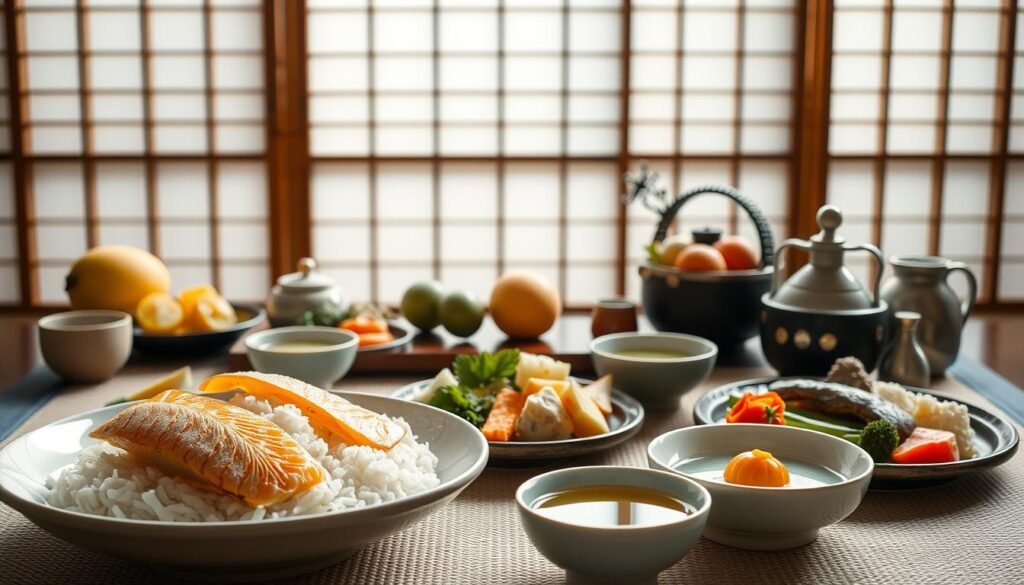
Breakfast near markets and stations
Begin with sushi at Tsukiji Outer Market for a classic breakfast that wakes you up. If you prefer a lighter option, grab coffee and a pastry at a station bakery.
These venues are quick, local, and perfect before a full day of sightseeing.
Lunch in parks, depachika picnics, and ramen bars
Build a depachika picnic from department basement stores and head to a nearby park. Bento sets and sweets stack well for outdoor lunches.
Slot ramen into busy afternoons. Use ticket machines, sit at the counter, and watch the kitchen ballet.
Dinner alleys: yakitori, izakaya, and tonkatsu favorites
Hunt yakitori alleys in Shibuya or Asakusa as the night winds down. Try an izakaya for shared plates and seasonal small dishes.
For crisp tonkatsu, head to residential strips like Nishiazabu for spots such as Butagumi.
| Meal | Best For | Tip |
|---|---|---|
| Breakfast | Market counters | Arrive early for seats |
| Lunch | Depachika picnic | Pack wet wipes |
| Dinner | Alley grills | Carry small bills; many are cash-only |
“Reserve tiny favorites when you can—many seat 4–10 and fill fast.”
Shopping Streets and Districts You’ll Love
Follow sculpted storefronts, colorful boutiques, and an honest shopping street for real local finds.
Omotesandō design, Harajuku boutiques, and Shibuya megastores
Walk Omotesandō to admire bold flagship architecture and pop into cafés tucked below street level or on rooftops. Thread Harajuku’s side lanes for kawaii pieces, curated vintage, and indie accessories.
Explore Shibuya floor by floor; these multi-level stores pack youth fashion, sneakers, beauty, and lifestyle goods. Compare department counters for tax-free options before big purchases.
Yanaka Ginza, Kappabashi, and small market finds
Slow down at Yanaka Ginza where family-run stalls sell snacks and low-key souvenirs. Stroll Kappabashi—Kitchen Street—to find pro-grade knives, cast-iron pans, and plastic food models made for restaurants.
- Plan routes by neighborhood to avoid repeated uphill walks.
- Some stores open late—save mornings for museums and shop into the evening.
- Keep receipts and bring a tote; small shops may charge for bags.
“Blend flagship windows with market lanes—each street tells a different shopping story.”
Parks, Temples, and Shrines: Finding Calm in Central Tokyo
Slip away from busy streets into wooded paths that calm the senses and reset your pace. These green spaces sit inside central districts but feel worlds apart from traffic. Visit them to slow down, take photos, and recharge between busy days.
Meiji Shrine forest paths and rituals
Walk the torii-marked lanes to move from city noise to a quiet forest hush in minutes. Pause at the main hall to watch simple rituals and offer a respectful bow.
Write an ema with a short wish and hang it on the rack. That small act connects you to a living practice and a calm moment in your day.
Ueno Park lakes, museums, and seasonal flowers
Build time here for pond loops and museum stops; each month changes the scene. Spring petals, summer lotus, autumn leaves, and clear winter air give you different photo moods.
Pair a park bench with a nearby café to reflect before heading back to shopping or nightlife.
- Walk Meiji Shrine paths to shift mood quickly.
- Pause at the main hall and try writing an ema.
- Loop Ueno Park’s lake and visit a museum for a layered break.
- Early mornings and late afternoons give the best light and fewer people.
“Treat these green anchors as non-negotiable stops for your well-being during a busy trip.”
| Spot | Best Time | Tip |
|---|---|---|
| Meiji Shrine | Morning | Wear quiet shoes; respect rituals |
| Ueno Park | Late morning | Check museum hours and seasonal blooms |
| Nearby cafés | Afternoon | Use them to pause without leaving central areas |
Money, Connectivity, and On-the-Ground Survival Tips
Carry a small kit of cash and connectivity tools so everyday choices stay simple and fast. This keeps your day fluid when queues, tiny bars, or late-night bites pop up. A few habits prevent common hiccups and make navigating hours and crowds easier.
Cash-first reality, ATMs, and store hours
Many small bars and eateries remain cash-first. Card use is growing, but travelers report paying cash often. Carry a daily amount and replenish at convenience store ATMs.
Check opening hours for tiny venues—some open late and close early. Plan post-dinner options around nightlife zones to avoid closed doors.
Data SIMs, translation apps, and simple phrases
Buy a data SIM or eSIM on arrival for maps and train apps. Load a translation app to ease ordering and short chats with friendly people.
Learn three phrases: sumimasen, arigatō, and onegaishimasu. They work wonders with locals and calm busy queues.
“Carry cash, keep data ready, and respect queues — small steps that save time and stress.”
| Need | Tip | Why |
|---|---|---|
| Cash | Use convenience ATMs | Reliable withdrawals; check fees |
| Data | Buy SIM/eSIM at airport | Maps, trains, tickets work offline |
| Extras | Umbrella, tote, small trash bag | Weather, purchases, scarce bins |
One Week in Tokyo: Tradition Meets Future — Putting It All Together
Wrap up your plan with flexible blocks that let you swap museum days for rain or stretch shopping into a bonus afternoon.
Swap-ins for rainy days or extra shopping
If rain moves in, shift museum-heavy Ueno visits, teamLab, or mall-based shopping into those hours. These swaps keep your core itinerary intact while staying dry and satisfied.
- Slide indoor museums to rainy slots and save parks and skyline decks for clear light.
- Build a short shopping sprint in Shibuya or Ginza once you know your must-buy list.
- Plan a Kappabashi gear mission as a focused afternoon for kitchen tools and demos.
Ideas if you’re back Tokyo for a second time
If you return, branch toward Ebisu restaurants, Minami-Aoyama tea houses, or Tokyo Tower viewpoints. Add a deeper Kappabashi hunt or a staged “shopping power hour.”
“Treat your schedule as modular blocks—mix places without undoing the week’s flow.”
| Swap | When | Tip |
|---|---|---|
| Museums / teamLab | Rainy days | Buy timed tickets ahead |
| Shopping power hour | Afternoons | List must-buys before you go |
| Neighborhood deep-dive | Return trips | Pick one zone like Ebisu or Minami-Aoyama |
Keep a running list of things Tokyo you skipped—street food lanes, VR arcades, or rooftops. Treat the itinerary as flexible blocks and revisit favorite dinners on your last night to end the week with comfort.
Conclusion
Wrap your travels with a simple plan: pace mornings, save nights for neon, and keep practical tools handy.
You now have a ready-to-run tokyo itinerary for one week that balances temples, parks, and city life. Start mornings for temples and yoyogi park or ueno park, use free observatories on clear days, and let neon nights carry you through Shinjuku and shibuya crossing.
Pack cash, load an IC card, note station exits, and slide timings by 15–30 minutes to dodge crowds. Build food moments into every day—market breakfasts, depachika lunch, and alley dinners to close. This plan fits first time visitors and keeps the trip tokyo flexible for more shopping or a return visit.


0 Comments