Discover the Top Spots on a West Coast Road Trip
The West Coast stretches over 1,350 miles from San Diego to the Olympic Peninsula. It’s a mix of deserts, redwood forests, rugged cliffs, and island-dotted bays. This makes for an unforgettable drive.
In this guide, we’ll cover the basics for planning your trip. We share tips from our own experiences driving and exploring. It feels like advice from friends who’ve been there.
This guide will help you plan the perfect trip. We’ll show you how to pick the best route and which stops to see. Plus, we’ll share tips on using digital tools to stay organized.
We rely on Visit California, Travel Oregon, and the National Park Service for our advice. We also check DOT advisories for the latest on roads and parks. Follow our route to see iconic spots and hidden gems, all in a manageable trip.
Key Takeaways
- This guide covers planning, highlights, and safety for a multi-state coastal trip.
- We recommend itineraries that balance driving time with must-see stops on west coast drive.
- Use official tourism sites and DOT advisories for up-to-date road and park info.
- A california road trip planner and simple digital tools keep our schedule flexible.
- The best west coast road trip itinerary depends on how many days we can devote to driving and exploring.
Planning Our Route: West Coast Road Trip Guide
We start by setting clear goals for time and pace. A tight 7–10 day run from Los Angeles to San Francisco or Portland to Seattle shows highlights. A 2–3 week trip lets us hit the full coast from Southern California to Washington. A month gives time for slow exploration and side trips.
Picking the best west coast road trip itinerary depends on daily driving limits, rest days, and the mix of hikes, beach stops, and city visits we want.
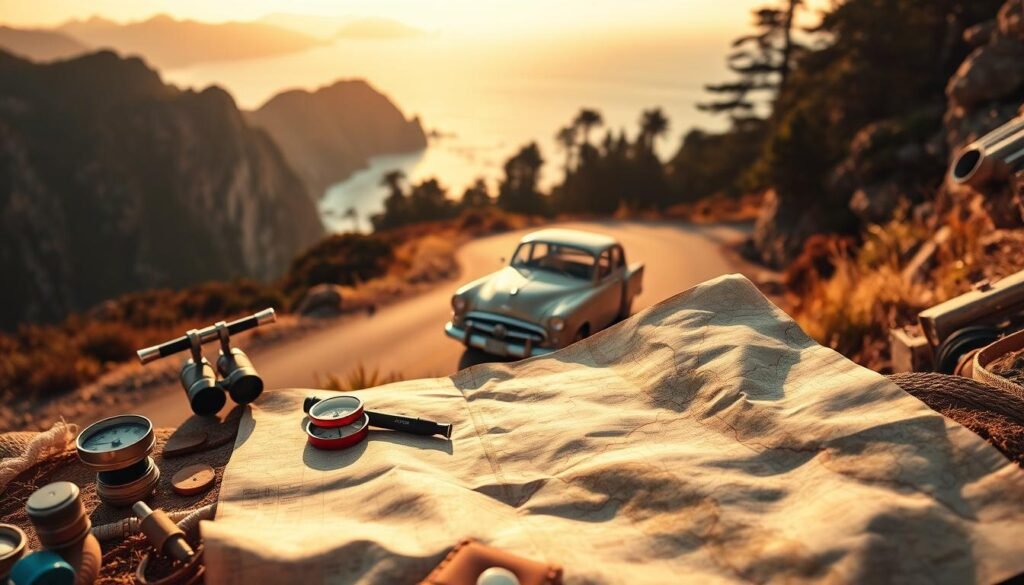
Next we pin must-see stops and flexible detours. Nonnegotiables include Santa Monica Pier, Big Sur and Bixby Creek Bridge, Redwood National and State Parks, Cannon Beach, Cape Perpetua, and the San Juan Islands. Flexible stops such as Pismo Beach, Mendocino, and Florence fit when time allows.
This split keeps our days manageable and gives room for surprises.
Routing choices shape the mood of the trip. The Pacific Coast Highway (CA-1) gives dramatic coastal views. US-101 blends shoreline with small towns. State highways in Oregon and Washington add cliffside outlooks and quieter ferry links.
We weigh round-trip loops against one-way runs, since one-way car rentals can add drop fees and limit options.
Timing matters for weather and crowds. Summer draws beachgoers and fog like June gloom near Los Angeles. Fall often delivers clearer skies and fewer visitors. Winter brings stormy seas in the north and shorter daylight.
We note wildfire season in late summer and fall, plus winter storm closures in the Pacific Northwest when planning.
We use tools to stay organized. Google Maps and Apple Maps lay out routes. Roadtrippers and Furkot help build day-by-day plans. National Park Service and state DOT pages warn of closures.
GasBuddy, Waze, and AllTrails keep navigation, fuel stops, and hikes on track. A solid california road trip planner app saves time when we balance driving and activities.
Logistics reduce stress on the road. We book key lodging early for Big Sur, Carmel, and busy Oregon towns during high season. One-way rentals may add fees so we compare costs.
We pick vehicles with good fuel economy and enough clearance for sharp coastal turns. Alternating drivers and packing a roadside kit help prevent fatigue and breakdown delays.
| Trip Length | Typical Route | Highlights | Best Use |
|---|---|---|---|
| 7–10 days | LA ↔ San Francisco or Portland ↔ Seattle | Iconic stops, quick hikes, city time | Weekend-long highlights; limited detours |
| 2–3 weeks | Southern California → Northern California → Oregon | Big Sur, Redwoods, Cannon Beach | Full coastal run with moderate pace |
| 3–5 weeks | Southern California → Washington (full coast) | All major parks, islands, and towns | Deep exploration, time for side trips |
| Planning Tips | Route: CA-1, US-101, state highways | Book Big Sur, Carmel early; watch seasons | Balance driving hours and rest days |
Starting Point: Southern California Highlights
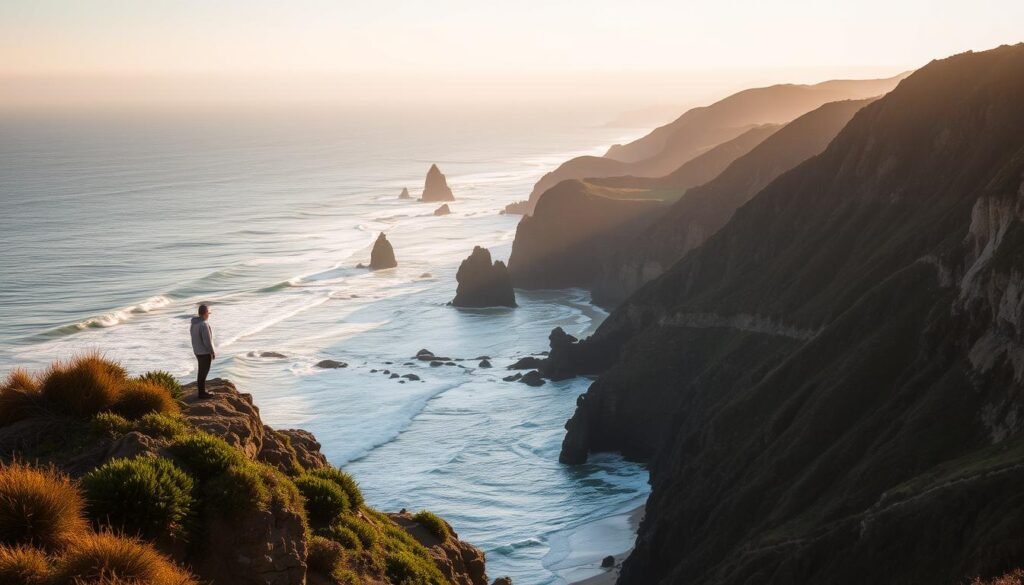
We start our west coast road trip in Southern California. Here, the sun, surf, and city life blend together. Los Angeles, San Diego, and Santa Barbara are great starting points. They offer easy access to places like Santa Monica Pier, Venice Beach, and La Jolla Cove.
For a taste of beach culture, we visit Santa Monica and Venice. Malibu beaches, like Zuma and El Matador, offer stunning views. Smaller towns like Laguna Beach and Dana Point have art, surf, and peaceful coves for a slower pace.
In LA, we explore the Getty Center or Griffith Observatory. We also hike in Topanga State Park. San Diego offers the Gaslamp Quarter and Mexican food, with whale watching in Dana Point during the right season.
Our drive is shaped by the Pacific Coast Highway. It starts near Oxnard and Ventura. US-101 takes us through charming spots in Ventura and Carpinteria before joining CA-1. We watch for weekend traffic in LA and slow stretches in Malibu.
Practical tips make our trip smoother. Reserve parking at busy spots like Santa Monica and La Jolla. Check tide charts for the best tidepooling spots. Plan to leave early to avoid rush hour. A good california road trip planner suggests at least two to four days for Southern California before heading north.
Driving the Pacific Coast Highway: Scenic Sights and Attractions
CA-1 starts where cliffs meet the ocean, making the drive a journey to remember. It connects small towns, state parks, and famous viewpoints. These spots are must-sees on any west coast road trip.
The road is narrow, and the views are wide. We drive slowly to take in the beauty without rushing.
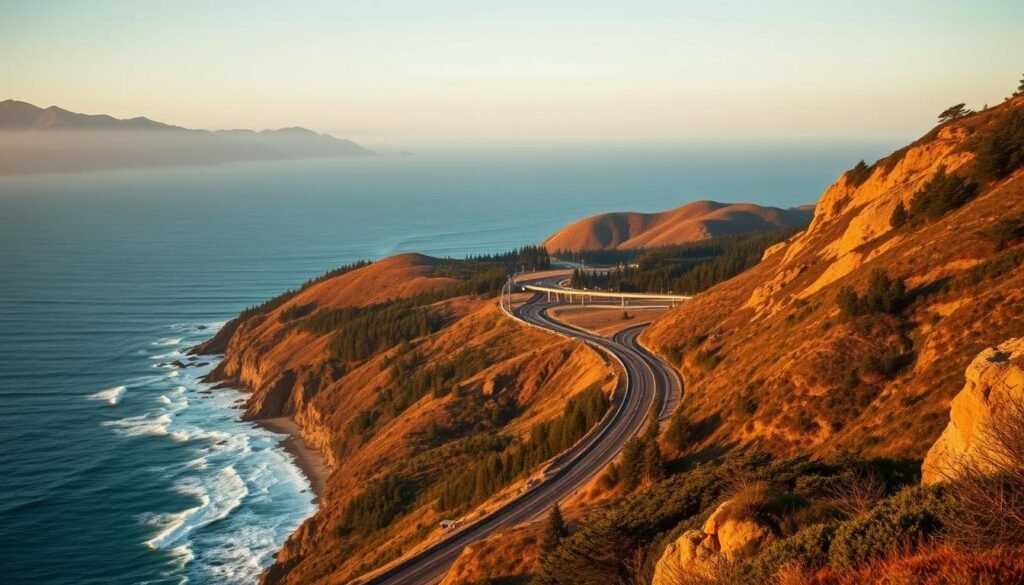
Top pacific coast highway attractions we can’t miss
Bixby Creek Bridge and McWay Falls in Big Sur are must-sees. Point Lobos State Natural Reserve is next for its tidepools and kelp forests. These spots are great for snorkeling and photography.
Carmel-by-the-Sea is known for its quaint streets and art galleries. Hearst Castle in San Simeon adds history and grandeur to the trip. Near San Simeon, we visit Piedras Blancas to see elephant seals up close.
Photo spots and viewpoints along the coastline
Bixby Creek Bridge is perfect for photos at golden hour. Ragged Point offers stunning views. Pfeiffer Beach has purple sand and a unique arch, but it’s a bit of a challenge to get to.
Point Lobos is home to sea otters and underwater wonders. Morro Rock frames the entrance to San Luis Obispo, making for great photos.
Timing our drive for sunsets, tides, and crowds
We check tide charts for the best times to visit beaches and tidepools. Pfeiffer Beach is especially beautiful at certain tides. We plan our cliffside drives during the day for safety.
For sunset views, we choose spots with enough time to park and enjoy. Big Sur can get crowded in summer, so we go early or in spring and fall. Weekdays are generally less busy than weekends.
We listen to Caltrans for updates on road closures. We plan our fuel and supplies carefully. Narrow turns require us to slow down and watch for cyclists. We carry water and snacks to keep our drive safe and fun.
Big Sur and Central Coast: Natural Wonders
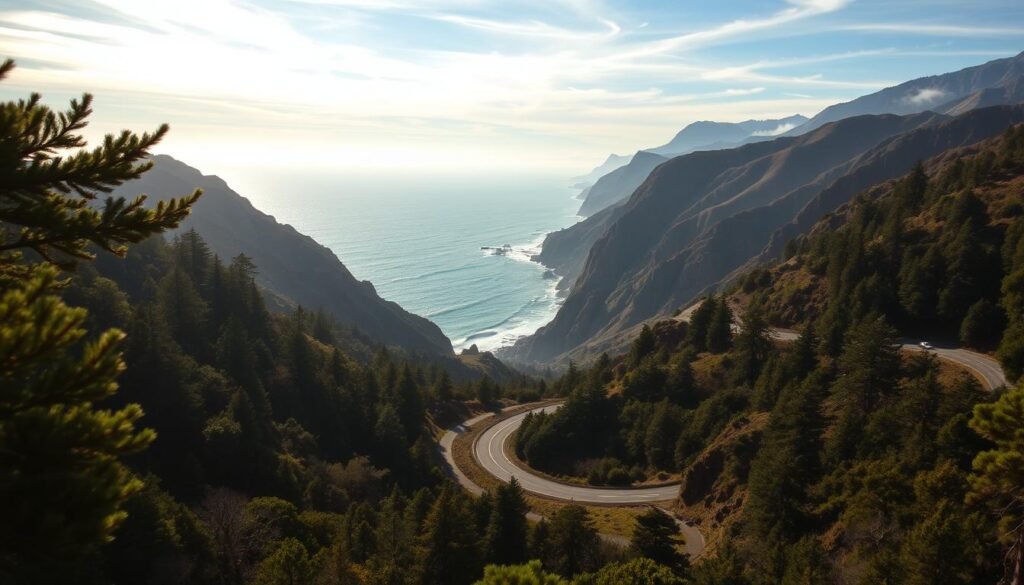
We start Big Sur with a simple plan: stop, stretch, and enjoy the views. This area from Carmel to San Simeon has rugged cliffs, redwood groves, and beautiful beaches. It’s a highlight of our west coast road trip guide.
Pfeiffer Big Sur State Park offers old-growth redwoods and trails for all. Julia Pfeiffer Burns State Park has McWay Falls, a waterfall that drops into the ocean. Garrapata State Park has coastal bluffs and wildflowers in spring. Pfeiffer Beach has purple sand and dramatic rock arches.
We choose hikes like Pfeiffer Falls Trail and the Ewoldsen Trail for great views. Scenic pullouts along CA-1 are perfect for whale watching. For places to stay, we mix luxury hotels with cabins and campgrounds.
Booking early is key in peak months. If Big Sur is full, staying in Carmel or Monterey is easy. We fill up on gas and groceries before heading into remote areas.
We follow signs and Leave No Trace rules due to limited cell coverage and fragile habitats. We wear sturdy shoes and layered clothing for uneven ground and coastal winds.
Our tips for exploring the California coastline are simple: plan meals, book early, and take your time. This approach turns our drive into relaxed memories, not a rushed checklist.
| Spot | Why Go | Best Time | Practical Tip |
|---|---|---|---|
| Pfeiffer Big Sur State Park | Redwood canopies and family-friendly hikes | Spring through fall | Reserve campsites months ahead |
| Julia Pfeiffer Burns State Park | McWay Falls and scenic overlooks | Year-round, best at low sun angles | Short walk from parking to viewpoint |
| Garrapata State Park | Coastal bluffs, wildflowers, beach access | Spring for blooms, fall for quieter visits | Wear sturdy shoes for bluff trails |
| Pfeiffer Beach | Unique sand, rock arches, sunset shots | Golden hour and low tide | Limited parking, arrive early |
| Carmel & Monterey | Dining, services, and alternative lodging | Year-round | Restock before heading south |
Northern California and Redwood Country: Forests and Seaside Towns
As we travel up the north california coast, the scenery changes. We see towering redwood groves and quaint seaside villages. It’s best to drive slowly, take short hikes, and enjoy local food.
Our guide suggests US-101 for easy access to redwoods and CA-1 for stunning coastal views. This mix is perfect for a memorable road trip.
Hiking trails and redwood groves to explore
Tall Trees Grove and Lady Bird Johnson Grove offer easy walks. Fern Canyon is a short, lush trek seen in movies. For a scenic drive, the Avenue of the Giants is a must.
Trail difficulties vary, so we bring layers and sturdy shoes. This ensures a comfortable hike.
Quaint towns and coastal dining recommendations
Mendocino is known for art and farm-to-table meals. Fort Bragg has Glass Beach and great coastal dining. Trinidad and Crescent City offer quiet beaches and seafood.
Bodega Bay is perfect for oysters and crab. It’s a great detour for a seafood treat.
Camping and lodging options for different budgets
Campgrounds in Jedediah Smith and Prairie Creek Redwoods State Parks are under ancient trees. Private campgrounds and KOA sites offer RV hookups. Budget motels in Arcata are affordable.
For a luxury stay, Mendocino’s inns and B&Bs offer charm and great dining. We book early for summer and holidays. Always check for campfire restrictions.
Wildlife watching is a highlight. We follow park rules and keep a safe distance. It’s cool and foggy, so layer up for hikes and evenings.
| Activity | Top Spots | Difficulty / Cost |
|---|---|---|
| Short hikes | Tall Trees Grove, Lady Bird Johnson Grove, Fern Canyon | Easy to moderate / Free to park fee ($8–$15) |
| Scenic drives | Avenue of the Giants, US-101 coastal sections | Easy / Free |
| Seaside towns | Mendocino, Fort Bragg, Trinidad, Crescent City | All budgets / Dining ranges from casual to farm-to-table |
| Camping & lodging | Jedediah Smith SP, Prairie Creek SP, private campgrounds, inns | Low to high / Campsites $20–$40, inns $100+ |
| Wildlife & safety | Humboldt coastal prairies, park visitor centers | Low risk if rules followed / Free guidance |
Oregon Coast Highlights: Rugged Cliffs and Lighthouses
We drive Highway 101 slowly to enjoy the Oregon Coast scenery. Rugged cliffs, towering sea stacks, and coastal forests surround us. From Brookings in the south to Astoria in the north, each stop feels like a postcard come alive.
We use a west coast road trip guide to plan our days. Cannon Beach and iconic Haystack Rock are easy photo stops. Ecola State Park offers stunning views when the fog clears.
Cape Kiwanda and the Oregon Dunes near Pacific City invite us to explore. We spend time tidepooling and hiking. Cape Perpetua Scenic Area has tidepools and the Devil’s Churn. Heceta Head Lighthouse is perfect for evening photos.
Yaquina Head Lighthouse and the Newport bayfront offer fresh seafood. We pack smart for changing weather, using coastal road trip tips. Highway 101 has steady driving routes with pullouts for scenic stops.
We choose lodging that fits our pace, from seaside inns to state park campgrounds. Small towns like Manzanita and Lincoln City have artsy shops and local seafood. Whale watching from viewpoints during migration seasons is a bonus.
We see the Oregon Coast section as part of a longer journey up the coast. It rewards us with accessible natural sites and historic beacons. We leave room in our itinerary to wander, eat well, and take in the light.
Washington Coast and Puget Sound: Final Coastal Gems
Our journey north leads us to the Washington Coast and Puget Sound. Here, rugged beaches meet sheltered islands. We swap long ocean views for quiet harbors, coastal trails, and ferry rides that feel like a mini-voyage.
This part of our guide mixes stormy outer beaches with peaceful island trips near Seattle. It’s a perfect blend for our west coast adventure.
Must-see viewpoints and island side trips
We visit Olympic National Park’s Rialto Beach, Ruby Beach, and La Push’s sea stacks. Neah Bay and Cape Flattery offer stunning cliffs and vast Pacific views. For a calmer scene, we take ferries to Bainbridge Island or the San Juan Islands for whale watching and kayaking.
Local seafood, markets, and cultural stops
Pike Place Market is a must for fresh fish and lively vendors. Along Hood Canal, we enjoy oysters and clam chowder at roadside shacks. Friday Harbor’s galleries, cafes, and seafood counters let us meet fishermen and learn about the season’s catch.
Best driving routes and ferry options
US-101 circles the Olympic Peninsula, offering classic coastal drives with scenic pullouts and rainforest detours. Inside the Sound, SR-20 and SR-525 lead to ferry terminals. We use Washington State Ferries and private operators for key crossings, so we check schedules and book on busy summer days.
| Route or Service | Highlights | When to Go |
|---|---|---|
| US-101 (Olympic Loop) | Rialto Beach, Ruby Beach, Cape Flattery, rainforest access | Late spring to early fall for clearer roads and milder weather |
| Washington State Ferries | Seattle–Bainbridge, Seattle–Vashon, vehicle and walk-on options | Daily year-round; reserve cars on summer weekends |
| San Juan Islands Ferries / Operators | Friday Harbor, Lopez Village, whale watching departures | Best in summer for wildlife trips; book ahead |
| SR-20 and SR-525 | Island connectors, scenic inland drives, access to ferry terminals | Good spring through fall; check mountain passes if traveling late season |
Road Trip Essentials: Tips, Safety, and Planning Resources
Before we hit the road, let’s get ready. We pack clothes for all weather, plan fuel stops, and check the tides. These small steps save us time and stress.
Coastal driving, weather, and packing
Driving the coast means slowing down on curves and watching for wildlife. Fog can sneak up, so we keep our lights on and avoid cruise control.
Our clothes include windbreakers, fleece, and sturdy shoes. We also bring sunscreen, sunglasses, and binoculars for fun beach activities.
Vehicle prep and roadside kits
First, we check our vehicle: oil, brakes, and tires. We also make sure our headlights are bright and know about rental car fees.
Our roadside kit has jumper cables, a tire inflator, and a first-aid kit. We also carry a flashlight, basic tools, and a reflective triangle.
Apps, maps, and visitor centers
We use apps like Roadtrippers and Furkot to plan our trip. Google Maps and Waze guide us. AllTrails shows hiking trails. State DOT sites report road closures.
GasBuddy helps us find fuel prices. Visitor centers give us tips on parking and permits. A good planner covers fuel, camping, and ferry schedules.
| Category | What we pack | Why it matters |
|---|---|---|
| Clothing | Windbreaker, fleece, moisture-wicking layers, sturdy shoes | Adapts to coastal shifts from fog to sun, keeps us comfortable on hikes |
| Safety Gear | First-aid kit, flashlight, reflective triangle, jumper cables | Handles common roadside emergencies and improves visibility at night |
| Vehicle Items | Spare tire, inflator, oil, wiper fluid, basic tools | Prevents minor breakdowns from becoming major delays |
| Navigation | Phone with offline maps, paper map, itinerary printout | Ensures we stay on course where cell service is unreliable |
| Planning Resources | Roadtrippers, Furkot, Google Maps, AllTrails, state DOT sites | Helps us choose routes, check road conditions, and locate services |
| Budget Items | Cash for ferries/parking, app for fuel prices, contingency fund | Covers tolls, campground fees, and unexpected repairs |
Conclusion
We’ve created a fun west coast road trip guide. It starts in Southern California and ends in Washington’s Puget Sound. Along the way, we’ll see beaches, Big Sur, redwoods, and more.
For a great trip, match your pace to your schedule and energy. Book key nights early in places like Big Sur and Cannon Beach. Make sure your vehicle is ready, pack what you need, and check for any travel advisories.
Stay safe on your trip by planning for tides and fog. Carry a roadside kit and book ferries in advance. Use a road trip planner app to organize your trip. Pick the nights that are most important to you and set a departure date. The coast is waiting for us—let’s hit the road!


0 Comments