
The best national parks in the United States for families are Great Smoky Mountains, Yellowstone, Acadia, Grand Canyon, and Yosemite. They offer a useful mix of short walks, scenic drives, visitor programs, wildlife, and memorable sights without requiring every family member to be an experienced hiker.
The right choice depends less on a park’s fame than on your children’s ages, tolerance for driving, preferred activities, and comfort with heat, altitude, crowds, or limited services. This guide compares ten strong options, explains who each park suits best, and shows how to plan a safer, more manageable family visit.
1. How these family-friendly national parks were selected
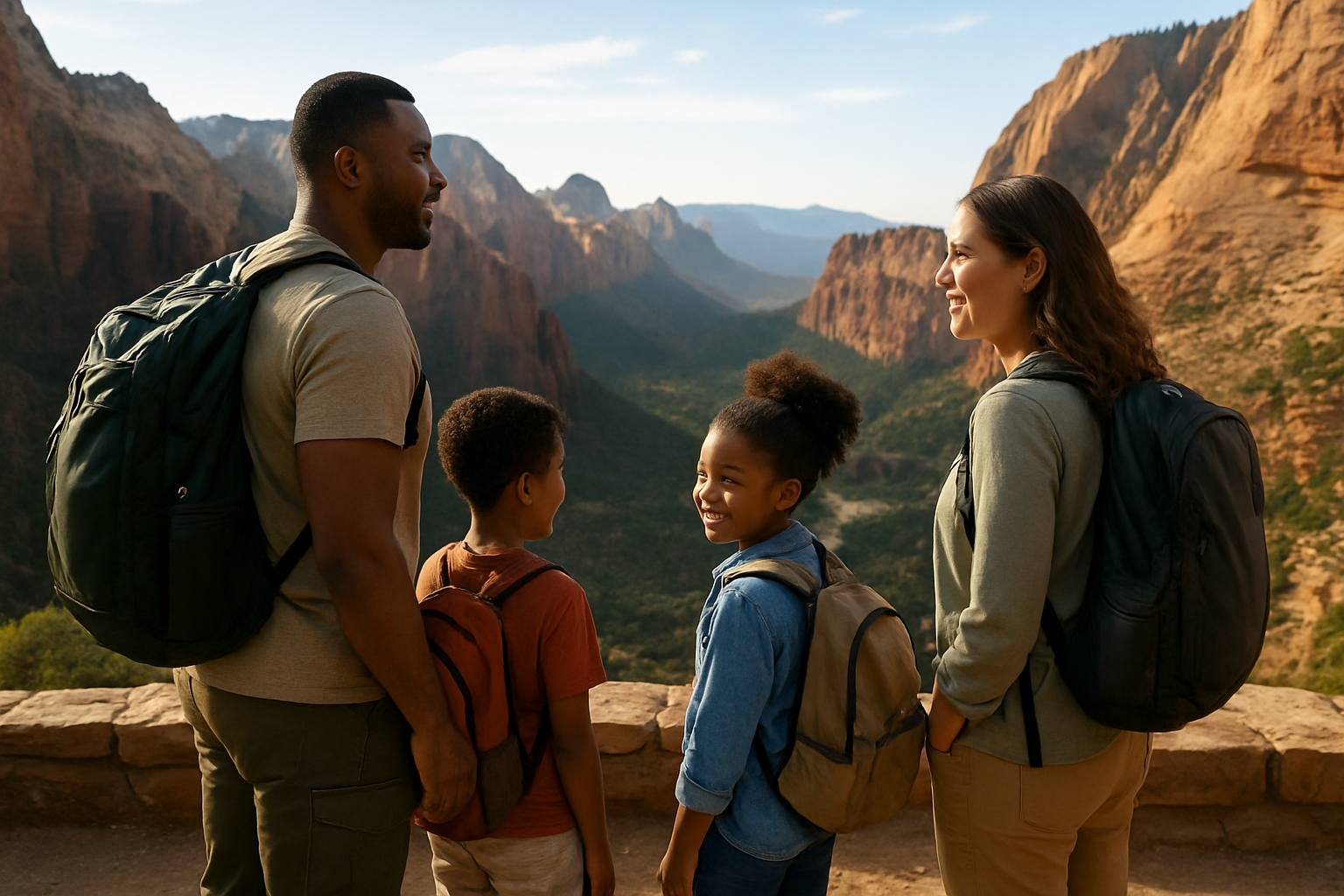
“Family-friendly” does not mean every trail is suitable for toddlers or that every park is simple to navigate. It means a park offers several ways to enjoy it, allowing you to adjust the day when weather, tired legs, or changing interests affect your plans.
- Variety beyond strenuous hiking: scenic drives, viewpoints, ranger programs, museums, beaches, boardwalks, or picnic areas.
- Options for different ages: activities that can work for young children, school-age kids, and teenagers.
- Manageable logistics: reasonable access to food, lodging, visitor centers, or nearby communities.
- Educational value: wildlife, geology, history, or Junior Ranger activities that give children a reason to stay engaged.
- Flexibility: enough things to do if a planned hike is closed, too hot, crowded, or beyond your group’s ability.
This is a practical ranking rather than a claim that one park is objectively better for every family. National Park Service conditions, reservations, road access, and programs can change, so use the official NPS Plan Your Visit guidance before finalizing your itinerary.
For broader trip-planning ideas, you can also browse the Aweektrip homepage or compare this style of planning with our guide to Portugal versus Spain for a family vacation.
2. The best national parks in the United States for families compared
The table below gives you a quick way to narrow the list. A park’s position reflects its balance of activities, accessibility, family appeal, and planning practicality—not simply the beauty of its scenery.
| Rank | National park | Best for | Family strengths | Main limitation |
|---|---|---|---|---|
| 1 | Great Smoky Mountains | First family national park trip | Waterfalls, wildlife, drives, picnics, Junior Ranger activities | Traffic and limited parking at popular trailheads |
| 2 | Yellowstone | Wildlife and unusual landscapes | Geysers, animals, boardwalks, ranger programs | Large distances and seasonal road closures |
| 3 | Acadia | Coastal scenery and varied ages | Ocean views, carriage roads, short walks, nearby towns | Busy summer and autumn periods |
| 4 | Grand Canyon | A dramatic first park | Viewpoints, shuttle access, geology, short rim walks | Heat, steep drop-offs, and difficult inner-canyon hikes |
| 5 | Yosemite | Iconic scenery and active families | Waterfalls, valley viewpoints, trails, ranger activities | Crowds, parking pressure, and possible reservations |
| 6 | Zion | Teenagers and active school-age children | Shuttle system, canyon scenery, varied hikes | Heat, exposure, and some trails require careful judgment |
| 7 | Rocky Mountain | Mountain scenery and wildlife | Scenic drives, alpine viewpoints, lakes, easy nature walks | Altitude can affect children and adults |
| 8 | Olympic | Families who want variety | Rainforest, coast, mountains, tide pools | Long driving distances between areas |
| 9 | Joshua Tree | Desert landscapes and stargazing | Rock formations, short walks, clear visual interest | Very hot conditions and limited shade |
| 10 | Everglades | Wildlife and water-based outings | Boardwalks, boat trips, birds, alligators, mangrove scenery | Heat, mosquitoes, and seasonal weather concerns |
3. The top family national parks in detail
1. Great Smoky Mountains National Park, Tennessee and North Carolina
Best for: families wanting the easiest all-round introduction to the national park system.
Great Smoky Mountains combines scenic drives, historic buildings, streams, waterfalls, wildlife viewing, picnic areas, and trails of many lengths. That variety makes it easier to build a successful day around your children rather than around one demanding hike. The park also offers children’s activities and Junior Ranger opportunities; the NPS provides family-oriented programs and kid-friendly hike guidance.
The main challenge is congestion. Popular roads and trailheads can become slow and crowded, especially during summer and autumn. Start early, keep a backup picnic or short walk in mind, and do not assume that a short trail will have easy parking.
2. Yellowstone National Park, Wyoming, Montana, and Idaho
Best for: families fascinated by animals, geysers, hot springs, and big landscapes.
Yellowstone gives children several memorable subjects to observe: erupting geysers, colorful thermal features, bison, elk, lakes, waterfalls, and dramatic valleys. Boardwalks and overlooks can provide major experiences without requiring a full-day hike.
Its size is the biggest drawback. Driving between areas can take much longer than expected, and younger children may struggle with repeated time in the car. Plan around one main region per day, carry food and water, and keep far away from wildlife and thermal areas. Never let an exciting animal sighting override the park’s safety distances.
3. Acadia National Park, Maine
Best for: families who want ocean scenery, short outdoor activities, and a nearby town base.
Acadia is unusually flexible for a family trip. You can combine coastal viewpoints, easy walks, carriage roads, rocky shorelines, picnic stops, and time in Bar Harbor or another nearby community. The park’s family programming includes Junior Ranger activities and youth-oriented experiences, which can help children connect the scenery with a simple mission.
Summer and fall can be busy, and some popular areas require careful timing or reservations. Pack layers even in warm months, since wind and changing coastal weather can alter how comfortable a viewpoint feels.
4. Grand Canyon National Park, Arizona
Best for: families seeking a powerful, low-effort visual experience.
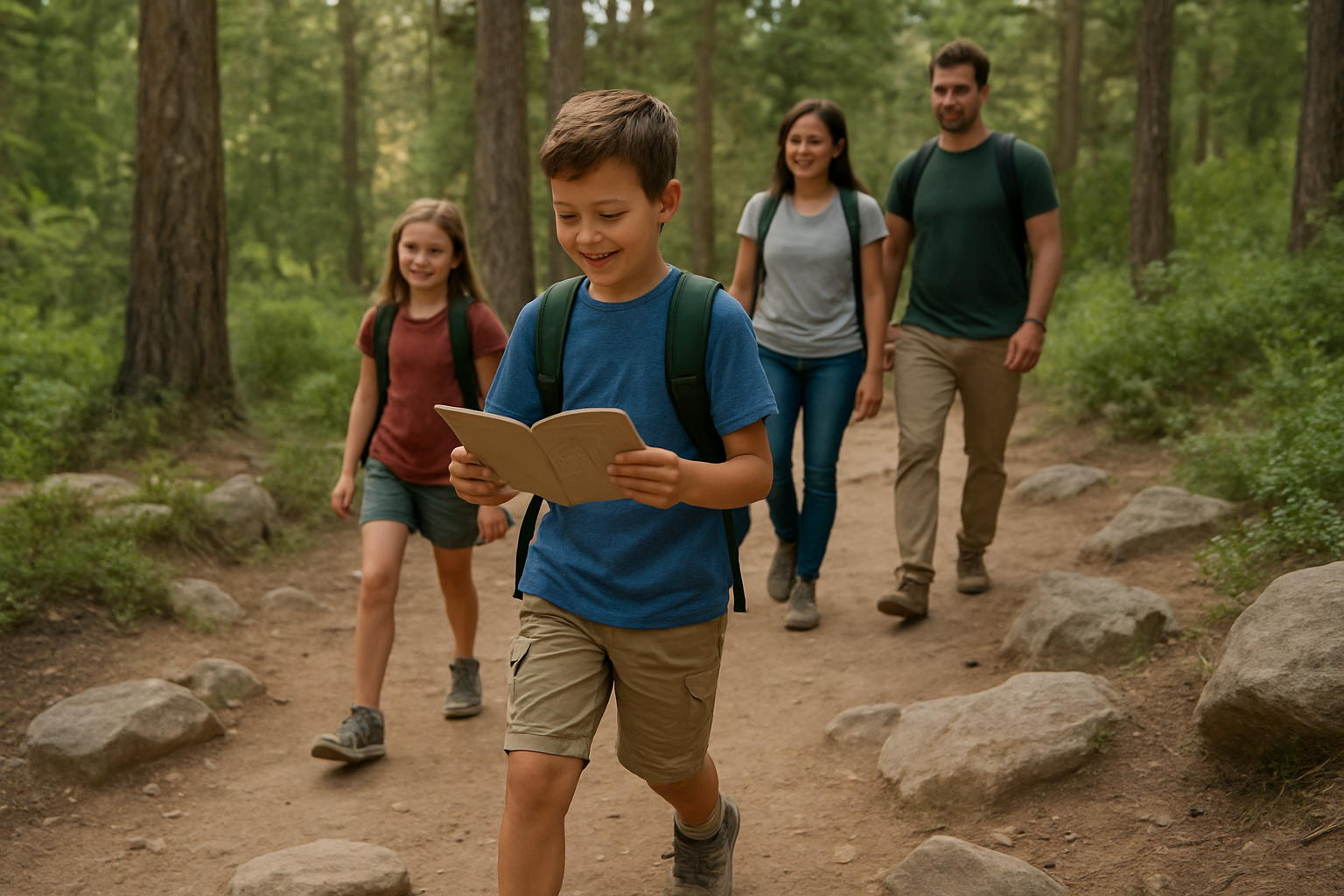
The Grand Canyon works well when you want children to see something extraordinary without committing to a strenuous trek. Rim viewpoints, visitor exhibits, shuttle access in key areas, sunset watching, and short walks can fill a visit. Older children may also enjoy learning how the canyon formed and comparing its visible rock layers.
Safety deserves special attention. The rim has steep drop-offs, summer temperatures can be severe, and a walk down into the canyon is much more demanding than the return trip. For many families, a short rim walk and a ranger activity are better choices than attempting to hike deep into the canyon.
5. Yosemite National Park, California
Best for: families who want famous waterfalls, granite cliffs, and a more active trip.
Yosemite Valley concentrates many iconic views into a relatively compact area, including waterfalls, meadows, rivers, and enormous granite formations. Families can choose between viewpoints, short walks, bike rides in suitable areas, ranger programs, and longer hikes for capable older children.
Demand can be intense. Parking, traffic, seasonal road access, and reservation systems may affect your plan. Check the park’s official conditions before traveling, arrive early when possible, and avoid creating an itinerary that depends on visiting too many distant areas in one day.
6. Zion National Park, Utah
Best for: families with teenagers or confident walkers who enjoy canyon scenery.
Zion’s towering sandstone walls make even a modest walk feel dramatic. The shuttle system can reduce some vehicle congestion, and the park offers a range of trails and viewpoints. Older children may enjoy learning about desert ecology, water in the canyon, and the forces that shaped the cliffs.
Heat, sun exposure, narrow paths, and drop-offs mean that this is not automatically an easy park for young children. Choose trails according to the youngest or least confident person, carry more water than you think you need, and do not treat a popular route as safe for every ability level.
7. Rocky Mountain National Park, Colorado
Best for: families who want mountain scenery, wildlife, and scenic drives.
Rocky Mountain offers lakes, forests, alpine viewpoints, wildlife viewing, and short nature walks. A family can experience impressive elevation and mountain landscapes without undertaking a technical climb. It is a strong choice for school-age children who enjoy spotting animals and asking questions about changing ecosystems.
Altitude is the key limitation. Some visitors experience headaches, fatigue, or shortness of breath at higher elevations. Begin with easier activities, drink water, avoid over-scheduling, and take symptoms seriously. Timed-entry or seasonal access rules may also apply, so confirm current requirements before arrival.
8. Olympic National Park, Washington
Best for: families who want several different environments in one trip.
Olympic combines temperate rainforest, rugged coastline, tide pools, lakes, and mountain scenery. That range can keep siblings with different interests engaged: one child may prefer mossy forest trails, another the beach, and another wildlife or waterfalls.
The park is spread out, so it rewards a multi-night itinerary rather than a rushed day trip. Choose one or two regions as your focus and check tide times if exploring coastal pools. Wet weather is part of the experience, not an unusual interruption, so bring waterproof layers and shoes that can handle mud.
9. Joshua Tree National Park, California
Best for: families interested in desert landscapes, rocks, photography, and night skies.
Joshua Tree offers visually distinctive scenery without requiring long hikes for every experience. Short nature trails, rock formations, picnic areas, and stargazing can work well for families who prefer flexible outdoor days. Older children may enjoy identifying plants, learning about desert adaptations, or trying beginner-friendly bouldering only with suitable supervision and knowledge.
Heat and sun are serious constraints. There is limited shade in many areas, cell service can be unreliable, and water is not available everywhere. Carry supplies, plan early or late in the day during hot periods, and never rely on a child’s excitement as evidence that conditions are comfortable.
10. Everglades National Park, Florida
Best for: families who prefer wildlife watching, boardwalks, and water-based activities.
The Everglades feels different from the mountain parks on this list. Families can explore boardwalks, look for birds and alligators from safe distances, learn about mangrove ecosystems, or join an appropriate guided boat outing. It is especially good for children who enjoy observing animals rather than climbing steep trails.
Heat, humidity, mosquitoes, storms, and seasonal water conditions affect the experience. Bring sun protection, insect repellent, water, and breathable clothing. Follow all wildlife guidance and keep children close on boardwalks and near waterways.
4. Match the park to your family’s travel style
Choosing by destination alone can lead to a difficult trip. Start with the experience your family actually wants.
- Young children and mixed ages: Great Smoky Mountains or Acadia usually provide the widest range of low-commitment activities.
- Wildlife enthusiasts: Yellowstone, Everglades, and Rocky Mountain are strong candidates, but wildlife is never guaranteed.
- Teenagers who want activity: Zion, Yosemite, and Rocky Mountain offer more ambitious hiking options.
- Short vacation: Acadia or Grand Canyon can deliver memorable highlights without requiring a long park-to-park route.
- Families avoiding extreme heat: Acadia, Olympic, or parts of Great Smoky Mountains may be more comfortable depending on the season.
- Families who dislike long drives: Avoid treating Yellowstone or Olympic as a quick stop; choose a compact base and limit daily mileage.
5. Plan the logistics before you book
National park trips are easier when you confirm the practical details before committing to flights, lodging, or a tightly timed itinerary. The NPS recommends checking park websites or the NPS App for alerts, reservations, fees, maps, and preparation advice.
- Check seasonal access: roads, shuttle systems, campgrounds, visitor centers, and trails may operate on different schedules.
- Check reservations: some parks or popular areas may use timed entry, activity permits, campground reservations, or tour bookings.
- Choose a realistic base: a nearby town can provide groceries, lodging, and a break from camping.
- Plan one main activity per day: add optional short stops rather than stacking several long hikes.
- Pack for delays: carry snacks, water, layers, sun protection, basic first-aid supplies, and offline maps.
- Explain wildlife rules: children should know that animals are not pets and that safe viewing requires distance.
Entrance fees and pass rules vary. The official NPS entrance pass information explains standard passes, annual passes, and when reservations may also be required. Treat current park guidance as the final authority rather than relying on an older blog post or an outdated itinerary.
6. Family packing checklist
- Reusable water bottles and extra drinking water for remote areas
- High-energy snacks that do not melt easily
- Sun hats, sunscreen, sunglasses, and weather-appropriate layers
- Comfortable shoes with adequate grip
- Small first-aid kit and any regular medication
- Offline maps, charging equipment, and a paper backup map
- Binoculars, a simple nature guide, or a notebook for children
- Child carrier or mobility support when appropriate
- Insect repellent for wet, wooded, or warm environments
- Plastic bags for wet clothing, muddy shoes, or unexpected messes
7. Common mistakes families make
- Trying to see too much: large parks often require more driving than the map suggests.
- Choosing a trail by distance alone: elevation, heat, exposure, footing, and return difficulty matter just as much.
- Ignoring the youngest traveler: the itinerary should work for the least experienced member of the group.
- Arriving late at a popular trailhead: parking and shuttle demand can change the entire day.
- Underestimating weather: desert heat, mountain storms, coastal wind, and rain forest dampness each require different preparation.
- Assuming cell service will work: download maps and agree on a meeting plan before separating.
- Getting too close to wildlife: use a zoom lens or binoculars instead of moving closer.
8. What if the original plan stops working?
What if my child refuses to hike?
Switch from distance to purpose. Try a waterfall, viewpoint, Junior Ranger booklet, wildlife observation, picnic, or short interpretive trail. A successful national park day does not need to include a long hike.
What if the weather changes?
Move to a visitor center, museum, scenic drive, ranger program, or nearby community activity if available. Do not force a route exposed to lightning, extreme heat, flooding, icy conditions, or strong wind.
What if a park is too crowded?
Leave the most popular area temporarily, visit a less-known viewpoint or picnic area, and return at a quieter time if conditions allow. Keep a backup list of activities that do not depend on one parking lot or trailhead.
When should we ask for professional help?
Seek medical assistance for serious breathing difficulty, confusion, severe allergic reactions, heat illness symptoms, or injuries that cannot be safely managed. For altitude concerns, dehydration, or worsening symptoms, stop the activity and follow park or medical guidance rather than continuing toward a planned destination.
9. Final recommendation by scenario
For most first-time family visitors, choose Great Smoky Mountains National Park. It offers the best overall combination of scenery, activities, family programs, and flexibility, although you should plan around traffic and busy trailheads.
Choose Acadia for a shorter coastal trip, Yellowstone for wildlife and geothermal features, Grand Canyon for a dramatic but relatively simple sightseeing experience, and Yosemite for iconic scenery when you are prepared for crowds and advance planning. Choose Zion or Rocky Mountain when older children want more active mountain days, and Olympic, Joshua Tree, or Everglades when your family prefers distinctive ecosystems over a traditional mountain itinerary.
The best national parks in the United States for families are the ones that fit your group’s pace, season, and comfort level. Pick one main experience, leave room for changes, and verify current conditions before you go.
Action checklist: select a park based on your children’s ages and interests; check official alerts and reservations; book a realistic base; plan one major activity per day; pack water, food, layers, and navigation tools; and keep a low-effort backup activity ready.