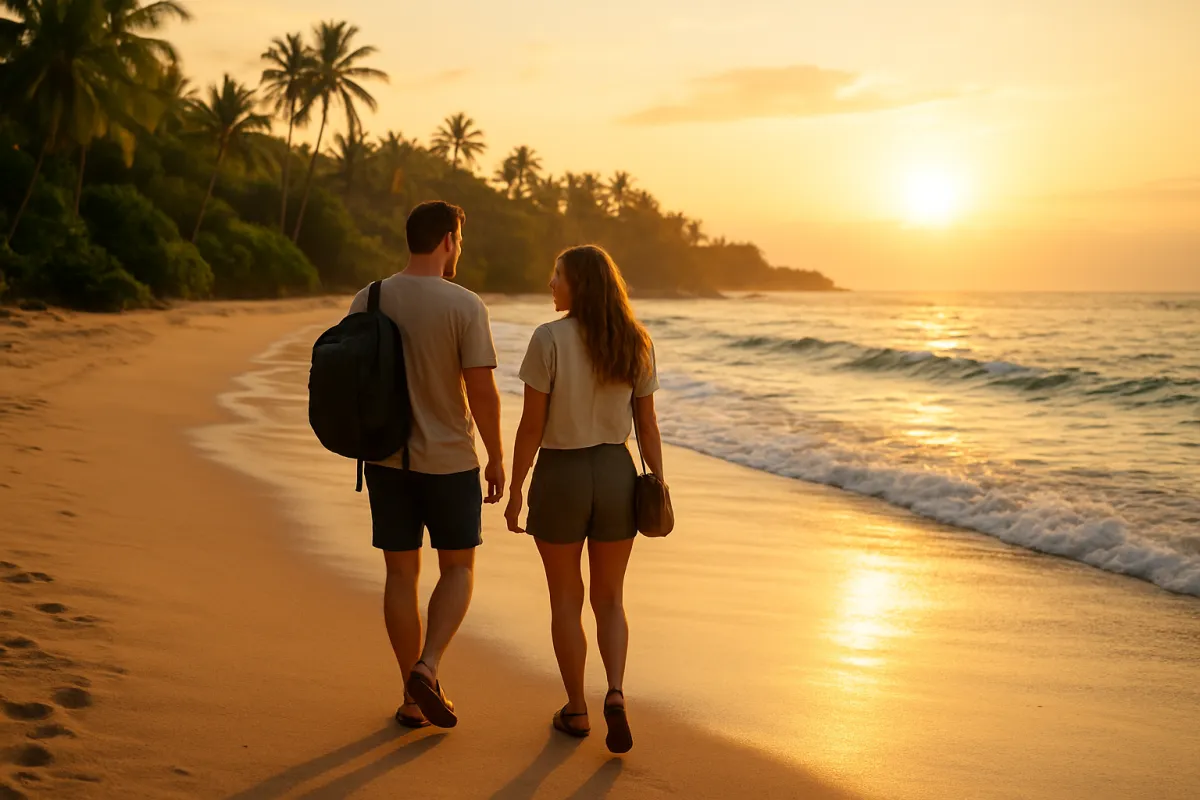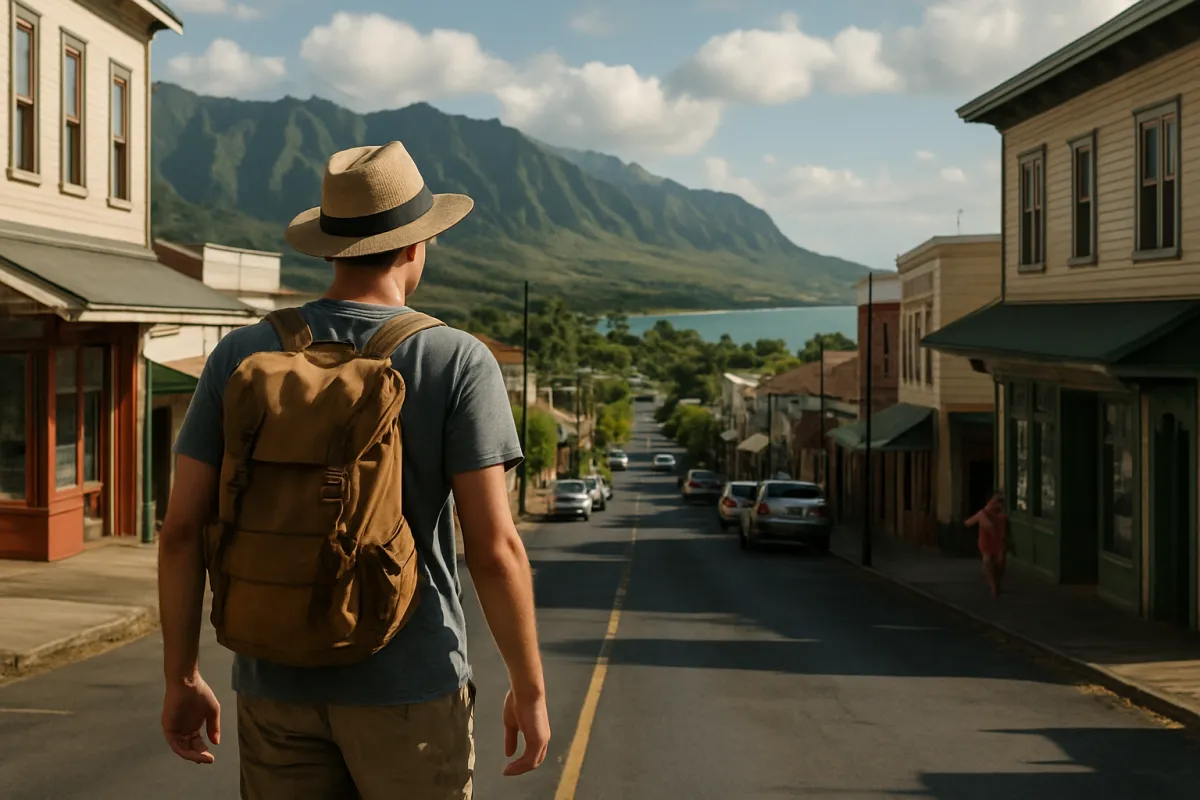
Quick verdict: Choose Maui for a slower, more scenic resort vacation; choose Oahu for a more active trip with city life, famous attractions, history, and greater variety. Neither island is universally better. The right choice depends on whether you value relaxation and natural scenery or convenience and a fuller sightseeing schedule.
Both islands offer beautiful beaches, hiking, snorkeling, local food, and memorable landscapes. The difference is how those experiences fit together. This guide compares Maui vs Oahu for vacation planning, including beaches, transportation, activities, atmosphere, costs, and the type of traveler each island suits best.
1. Start with the kind of vacation you actually want
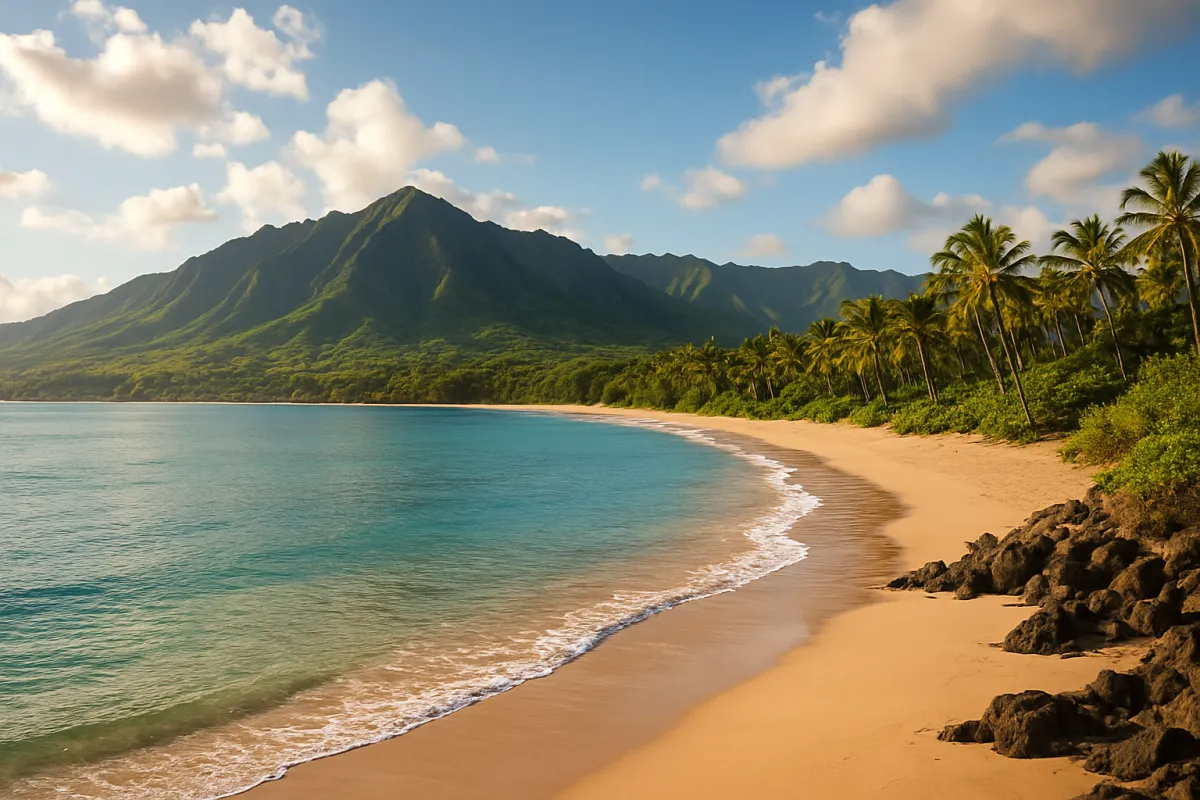
Before comparing beaches or hotels, decide what you want your days to feel like. A vacation based around one or two major activities each day will work differently from a trip built around sightseeing, restaurants, and local neighborhoods.
- Choose Maui if you want a calmer rhythm, resort beaches, scenic drives, snorkeling, whale-watching opportunities in season, and dramatic natural scenery.
- Choose Oahu if you want a mix of beach time, cultural attractions, shopping, nightlife, city restaurants, hiking, and historic sites.
- Choose Maui for a romantic getaway or a restorative trip where the hotel and surrounding landscape are part of the experience.
- Choose Oahu for a first Hawaii visit, a family trip with varied interests, or a shorter stay when you want many headline attractions close together.
For broader trip-planning ideas, see the Aweektrip homepage or compare this decision with other one-week travel styles in one week in Los Angeles.
2. Compare Maui and Oahu side by side
The table below gives a practical starting point. These are general tendencies rather than guarantees; your exact experience will depend on where you stay, when you visit, and how much driving you are willing to do.
| Decision factor | Maui | Oahu | Best fit |
|---|---|---|---|
| Overall atmosphere | Relaxed, scenic, and resort-oriented in many visitor areas | Busier, more urban, and more varied from city to rural coast | Maui for unwinding; Oahu for variety |
| Beaches | Strong choice for resort beaches, swimming, sunsets, and snorkeling areas | Wide range, from Waikīkī and family beaches to North Shore surf breaks | Maui for beach-focused stays; Oahu for beach variety |
| History and culture | Strong connection to landscape, local communities, and island history | More museums, historic landmarks, cultural institutions, and organized attractions | Oahu for concentrated sightseeing |
| Outdoor scenery | Haleakalā, the Road to Hāna area, valleys, coastlines, and upcountry landscapes | Mountain lookouts, North Shore, Windward Coast, valleys, and coastal hikes | Maui for large-scale scenery; Oahu for accessible variety |
| Transportation | A rental car is useful for many popular experiences | Public transportation works well around Honolulu and Waikīkī; a car helps elsewhere | Oahu for car-free stays |
| Nightlife and dining | Good restaurants and evening options, but quieter overall | More restaurants, bars, entertainment, shopping, and late-evening activity | Oahu for nightlife and food variety |
| Best trip length | Five to seven nights is comfortable for a relaxed stay | Four to seven nights can support a packed sightseeing plan | Depends on your pace |
| Potential drawback | Driving distances and a quieter evening scene may limit spontaneity | Traffic, crowds, and a more built-up feel can reduce the sense of escape | Choose the tradeoff you can accept |
3. Decide between Maui’s scenery and Oahu’s variety
What makes Maui appealing
Maui is often the easier recommendation when your priority is a classic island escape. Visitor areas such as Kā‘anapali, Wailea, and Kīhei combine beaches, accommodation, restaurants, and water activities, while the island’s interior and eastern coast provide a stronger sense of distance and changing landscapes.
Maui is especially attractive if you want to divide your time between the coast and major outdoor experiences. Options can include snorkeling, sailing, hiking, upcountry farms, coastal viewpoints, and a visit to Haleakalā National Park. The official Maui travel guide is useful for checking current activity and regional information.
The tradeoff is that many of Maui’s most memorable experiences require planning and driving. A scenic day may involve an early start, winding roads, limited services, and changing weather. Maui feels peaceful partly because it is less concentrated; that also means you cannot always improvise your day as easily as you can in Waikīkī.
What makes Oahu appealing
Oahu offers more contrast within a compact vacation. You can stay in Waikīkī, take a surfing lesson, visit a museum, explore historic Honolulu, hike near Diamond Head, eat in Chinatown, and still plan a day on the North Shore or Windward Coast.
That variety is the island’s strongest advantage. The official Oahu activity guide highlights beaches, hiking, museums, surfing, snorkeling, and other attractions across the island. Waikīkī also has a dense concentration of hotels, restaurants, shops, tours, and evening entertainment, which can make a short trip feel productive.
The downside is that Oahu may not feel as secluded. Waikīkī is a major resort and urban district, and popular roads and attractions can be busy. If your idea of Hawaii is quiet mornings with little development around you, Oahu may require more careful neighborhood selection.
4. Compare beaches, swimming, and water activities
Maui is generally the stronger choice when beach time is the main purpose of the trip. Several visitor areas have broad sandy beaches close to resorts and vacation rentals, making it easy to plan a morning swim, a relaxed afternoon, and a sunset without changing locations.
Oahu has more recognizable beach contrasts. Waikīkī is convenient for beginner surf lessons and easy access to hotels and restaurants, while the North Shore is famous for powerful winter surf and a different small-town atmosphere. However, conditions vary considerably by beach and season. The official Hawai‘i Ocean Safety guidance recommends checking conditions, reading posted warnings, swimming with a buddy, and choosing lifeguarded beaches when possible.
Do not select an island based only on a photograph of calm water. Wind, swell, tides, shorebreak, and seasonal conditions can change the experience. If your group includes children or inexperienced swimmers, prioritize a beach with appropriate conditions and facilities rather than chasing the most famous coastline.
5. Think about driving, logistics, and daily effort
Transportation can influence your choice more than scenery does. On Maui, a rental car is often helpful for reaching beaches, viewpoints, trailheads, and scenic routes. You can avoid driving every day by staying in a walkable resort area, but the island’s best-known landscapes are not all close together.
Oahu is more flexible. If you stay in Waikīkī, you can use buses, shuttles, taxis, walking, and organized tours for many activities. The island’s official travel information explains that TheBus serves major visitor areas and that rental cars are more useful for trips beyond Honolulu. This makes Oahu a practical choice if nobody in your group wants to drive every day.
That convenience does not eliminate travel time. Oahu traffic can be frustrating, especially when crossing between Honolulu and the North Shore or planning popular attractions at peak times. Maui usually has fewer urban traffic problems, but long drives and winding roads can make a day feel tiring.
6. Match each island to your travel group
For couples and honeymoon-style trips
Maui is the safer default for couples who want resort comfort, beach walks, scenic dinners, and a quieter evening pace. Oahu can be better for couples who enjoy restaurants, live music, shopping, history, and an itinerary with more movement.
For families
Oahu is often easier for families with mixed interests. One person can enjoy the beach while another visits a museum, shops, or joins a cultural activity. The concentration of services in Waikīkī can also reduce the need to repack or drive long distances every day.
Maui may suit families who want a slower beach holiday and are comfortable renting a car. Check beach conditions carefully, plan realistic driving days, and avoid treating every scenic route as a child-friendly swimming stop.
For active travelers
Both islands work well, but the style differs. Maui favors landscape-driven adventures such as Haleakalā, coastal drives, hiking, snorkeling, and sailing. Oahu offers more choices in a shorter radius, including surfing, urban hikes, museums, North Shore excursions, and cultural attractions.
For first-time Hawaii visitors
Oahu is usually the more forgiving introduction because it combines iconic beaches, history, restaurants, shopping, and outdoor activities. Maui is a stronger first choice if your mental picture of Hawaii is primarily a quiet resort, dramatic scenery, and time spent near the ocean.
7. Plan around reservations and changing conditions
Popular Hawaii experiences may require advance planning. On Maui, sunrise at Haleakalā National Park requires a reservation for entry during sunrise hours; the National Park Service sunrise guidance explains the booking windows and entry rules. Some state parks and high-demand sites also use reservations or timed entry.
Build your itinerary around the reservations you can realistically keep. Do not book a sunrise reservation after a late arrival, or place a long scenic drive immediately before an important tour without allowing time for traffic and weather.
- Check official park, state, and attraction websites before paying for a tour.
- Confirm whether parking, timed entry, or a separate reservation is required.
- Leave space for weather changes and ocean conditions.
- Use local guidance for cultural sites and follow access restrictions.
- Support local businesses thoughtfully and avoid entering closed or restricted areas.
8. Common mistakes when choosing Maui or Oahu
- Choosing based only on the most famous beach. Your hotel location, transportation, and daily interests matter more than one landmark.
- Assuming Maui is always quieter. Popular resort zones and major attractions can still be busy, especially during peak travel periods.
- Assuming Oahu is only city and crowds. The North Shore, Windward Coast, valleys, and rural areas provide a very different experience from Waikīkī.
- Underestimating driving time. Map distance does not tell you how long a winding coastal road, traffic delay, or crowded parking area may take.
- Overpacking the itinerary. A vacation becomes less enjoyable when every beach, hike, and restaurant is treated as mandatory.
- Ignoring ocean conditions. A beautiful beach can be unsafe for swimming on a particular day. Check official warnings and obey signs.
- Booking attractions before choosing a base. Start with your accommodation area, then calculate realistic travel times.
9. A simple decision checklist
Choose Maui if most of these statements sound right:
- You want a restorative beach and resort vacation.
- You prefer scenic landscapes to museums and nightlife.
- You are comfortable renting a car and planning several full-day outings.
- You want snorkeling, sunsets, coastal scenery, and outdoor experiences.
- You are willing to trade urban convenience for a more spread-out island feel.
Choose Oahu if most of these statements sound right:
- You want beaches plus history, shopping, restaurants, and entertainment.
- You are visiting Hawaii for the first time and want many classic sights.
- You prefer to stay in a walkable area or rely partly on public transportation.
- Your group has different interests and needs a broad choice of activities.
- You enjoy a livelier destination and do not mind traffic or crowds.
10. What if you still cannot decide?
If you have seven or more nights and can accept the extra logistics, splitting the trip between islands is possible. However, an interisland move costs more than the flight itself: you also lose time checking out, reaching the airport, collecting luggage, and settling into a new accommodation.
For a shorter vacation, choose one island rather than trying to sample both. Four or five nights on one island usually feels more satisfying than dividing a brief trip into two rushed stays. If you want a detailed one-week structure after choosing your destination, compare it with the planning approach in one week in Thailand or one week in Kyoto and Osaka.
11. Your next steps before booking
- Write down your three highest priorities: for example, beaches, history, food, hiking, nightlife, or relaxation.
- Choose a realistic daily pace instead of listing every attraction.
- Pick a base that matches your priorities, not just the lowest room rate.
- Check transportation, parking, and driving times before confirming tours.
- Review official reservation and safety information for parks, beaches, and cultural sites.
- Leave at least one flexible day for weather, rest, or an unexpected local recommendation.
Final verdict: For a classic, scenic, and slower-paced island escape, Maui is usually the better choice. For a first Hawaii trip, a mixed-interest group, or anyone who wants beaches combined with city life, history, food, and easy access to many attractions, choose Oahu. The best answer to “Maui vs Oahu for vacation” is conditional: pick the island whose unavoidable drawbacks—driving and quiet evenings on Maui, or crowds and urban energy on Oahu—fit your travel style better.