
A Kyoto ryokan stay is worth considering if you want traditional rooms, attentive hospitality, Japanese meals, and a slower evening routine rather than a conventional hotel experience. It is not automatically the best choice for every traveler: floor-level sleeping, fixed meal times, limited room space, and strict check-in policies can matter as much as the atmosphere.
This Kyoto ryokan stay review focuses on the decision behind the booking. You will learn what to inspect before reserving, which features justify a higher rate, where expectations often go wrong, and how to decide between a ryokan, hotel, machiya, or modern apartment.
1. Decide what kind of Kyoto experience you want
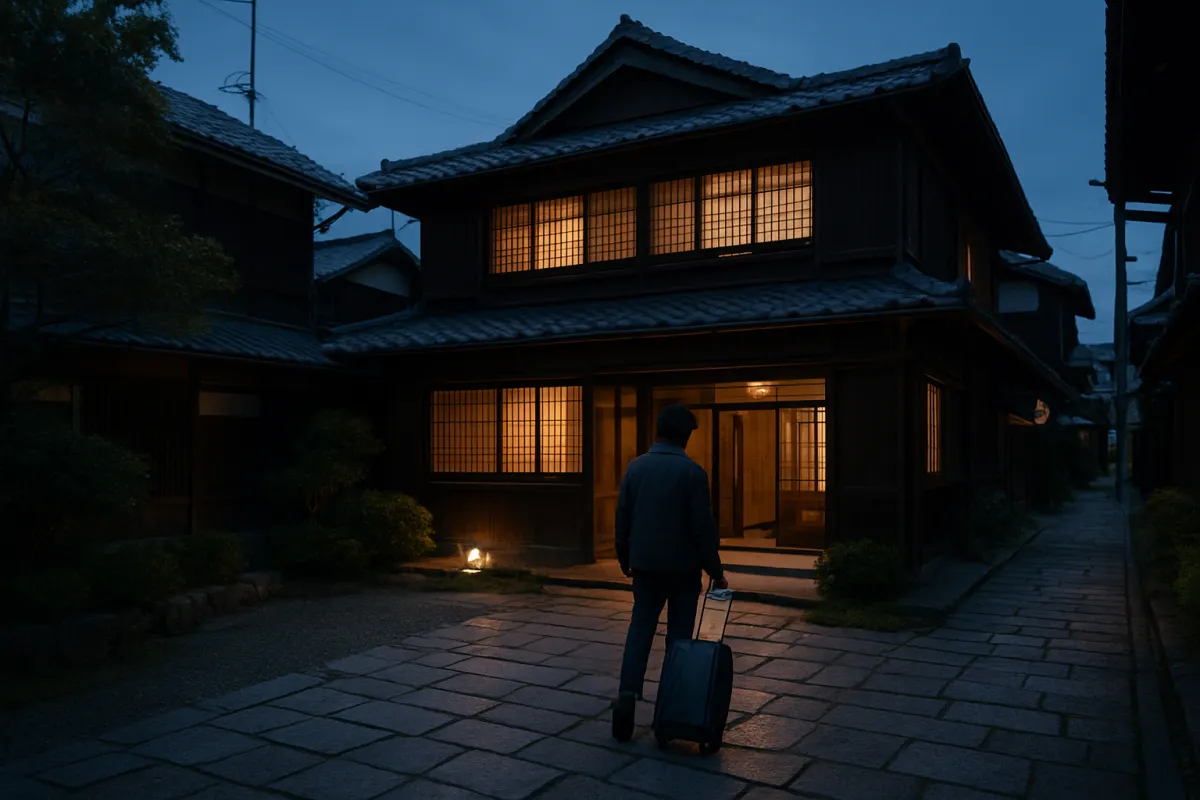
A ryokan is a Japanese-style inn, but the category covers a wide range of stays. Some are small, family-run properties with shared bathrooms and simple futons. Others are high-end inns with private baths, seasonal multi-course dinners, gardens, and staff-led service.
The Kyoto City Official Travel Guide’s accommodation overview describes ryokan as places where guests may experience tatami rooms, Japanese cuisine, traditional baths, and craftsmanship. Those features are central to the appeal, but they are not included in every booking. Read the room and meal plan carefully before assuming they are part of the rate.
A ryokan is usually a good fit when you want:
- A distinctly Japanese setting rather than an international hotel room.
- Time to slow down in the evening after sightseeing.
- Futons, tatami, seasonal design, or a traditional bath.
- A planned dinner or breakfast experience.
- Personal service and guidance with local customs.
A hotel may be better when you need:
- A late arrival, 24-hour reception, or unpredictable daily schedule.
- A Western-style bed, desk, larger bathroom, or more storage.
- Easy access for heavy luggage, mobility equipment, or young children.
- Simple pricing without mandatory meal packages.
For a first visit, a hybrid plan often works well: spend most nights in a practical Kyoto hotel and reserve one memorable ryokan night. That gives you the cultural experience without making every day dependent on an inn’s timetable.
2. Check the location before judging the room
Location affects a ryokan stay more than many travelers expect. A beautiful inn can become inconvenient if it is far from your main sightseeing areas, difficult to reach with luggage, or surrounded by steep streets and limited evening dining.
For a short visit, compare the property with your planned route rather than looking only at its distance from Kyoto Station. A stay near Gion, Higashiyama, or the Kyoto Imperial Palace may suit travelers prioritizing historic streets and temples. An inn near Kyoto Station can simplify arrival and day trips, while Arashiyama or northern Kyoto may appeal more if the setting is part of the experience.
Use your itinerary as the test. If you plan early temple visits, check the first practical train or bus connection. If dinner is not included, confirm that restaurants are available nearby and that you can return comfortably after dark.
Kyoto’s official tourism guidance recommends reserving accommodation well ahead during popular periods such as spring blossoms and autumn foliage. Availability, meal plans, and cancellation terms can become less favorable as demand rises, so a traditional stay deserves early planning.
3. Evaluate the room and sleeping arrangement
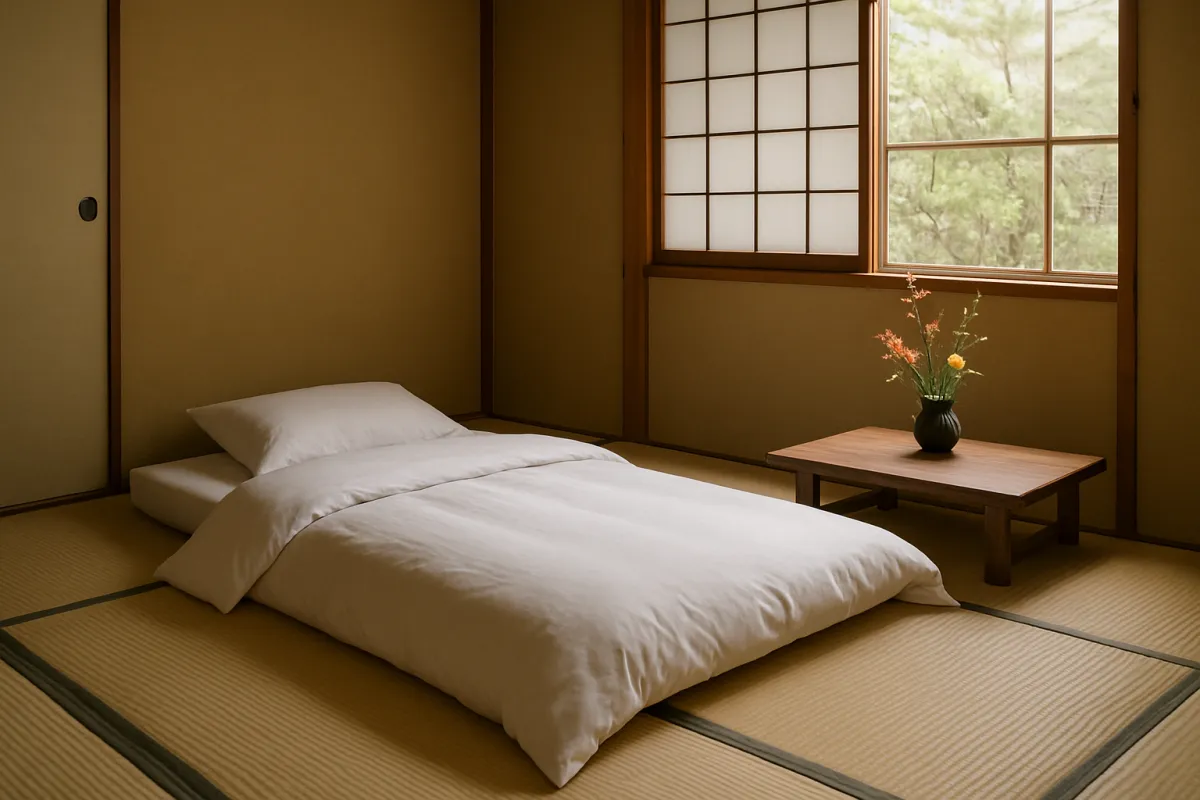
The room is often the emotional center of a ryokan stay. Tatami flooring, low furniture, sliding screens, alcoves, and seasonal decorations create a calm atmosphere. Staff may prepare futons in the evening, although the exact service depends on the property and room plan.
Traditional design does not mean every room is identical. Confirm whether the room has a private toilet, a private bath, air conditioning, a refrigerator, Wi-Fi, and space for luggage. Some older inns have narrow corridors, stairs, or shared facilities that may not suit everyone.
Sleeping on a futon can be comfortable for many guests, but it is still a floor-level arrangement. If you have knee, hip, back, or balance concerns, look for a room with beds or ask the property directly about alternatives. Do not rely only on photographs; a low platform bed and a futon on tatami are different setups.
Use this comparison when reading listings:
Room details to verify before booking
| What to look for | Why it matters | Warning sign |
|---|---|---|
| Private toilet and bath | More privacy and less dependence on shared facilities | “Bathroom” appears in general property details but not in the selected room description |
| Bed, futon, or both | Determines comfort and accessibility | Photos show bedding but the text does not identify the arrangement |
| Room size and luggage space | Tatami rooms can feel open but have limited storage | Large suitcases are not shown or mentioned |
| Heating and cooling | Older buildings may have different insulation and temperature control | No clear information for your travel season |
| Sound and building layout | Traditional rooms may have lighter partitions | Reviews repeatedly mention noise or thin walls |
| Check-in deadline | Some inns close reception or stop serving dinner at a fixed time | Late arrival requires an unconfirmed special arrangement |
4. Understand meals, baths, and house rules
Meals can be one of the strongest reasons to choose a ryokan, especially when the inn serves a seasonal Japanese dinner or breakfast. However, meal plans can also make the stay more expensive and less flexible than a room-only hotel.
Check whether dinner is included, whether the menu is fixed, and whether dietary requests must be submitted before arrival. Vegetarian, vegan, halal, allergy-sensitive, and child-friendly meals may be possible at some properties but are never safe to assume. Ask specific questions and request written confirmation.
Bathing arrangements vary widely. A property may offer a private in-room bath, a reservable family bath, a shared bath, or an onsen-style public bathing area. An onsen is not simply a visual feature: bathing usually follows house rules, including washing before entering shared water and keeping towels out of the bath. The Japan National Tourism Organization’s ryokan guide provides a useful overview of common expectations.
If you have tattoos, medical needs, modesty concerns, or restrictions around bathing, check the policy in advance. Some properties offer private bathing options, but availability may be limited or require an additional reservation.
Ask these questions before paying:
- Is the quoted rate room-only, breakfast-included, or half-board?
- What time are dinner and breakfast served?
- Can the kitchen accommodate your dietary requirements?
- Is the bath private, shared, reservable, or in the room?
- Are tattoos permitted, covered, or restricted?
- What happens if your train arrives after the stated check-in time?
5. Compare the value, not just the nightly rate
Ryokan prices are difficult to compare with hotel prices unless you identify what is included. A higher rate may cover dinner, breakfast, a larger room, private bathing, or staff service. A lower rate may reflect shared bathrooms, fewer amenities, a remote location, or a room-only plan.
Build a simple total-cost comparison. Add meals you would otherwise purchase, local transport, luggage transfers, and any required bathing or service fees. Then consider whether you would actually use those inclusions. A formal dinner is poor value if you prefer eating at casual restaurants, while a room-only ryokan may not deliver the experience you wanted.
Also review cancellation terms and payment conditions. Seasonal demand can make flexible rooms more expensive, but a nonrefundable booking is risky if your itinerary includes long-distance rail travel or multiple cities.
For broader trip planning, compare a ryokan night with the itinerary ideas in A Week in Kyoto and Osaka. A traditional inn often works best as a planned feature within a larger route, rather than as an accidental choice made only because a listing looks attractive.
6. Prepare for the arrival and stay
A few practical preparations can prevent most problems. Save the property’s address in Japanese and English, especially if you will use a taxi. Confirm the nearest station or bus stop, luggage rules, check-in deadline, and whether the inn has stairs.

Pack clothing that is comfortable on a floor and easy to remove for bathing. Light luggage is helpful because traditional rooms may not have large closets, and some properties require shoes to be removed at the entrance. Follow the inn’s instructions about slippers, yukata, towels, and room areas.
Keep your first evening realistic. If you arrive after a long flight, a ryokan with a fixed dinner time may create unnecessary stress. Plan to arrive early enough to settle in, understand the room, and enjoy the property rather than treating it as a place to sleep between late-night activities.
The JNTO guide to Japanese manners and etiquette covers practical details such as removing shoes and bathing etiquette. You do not need perfect knowledge of every custom; paying attention to posted instructions and asking politely is usually the most useful approach.
7. Know who should choose a Kyoto ryokan stay
Best for couples and special trips
A ryokan can create a memorable evening because the accommodation is part of the destination. Private baths, garden views, seasonal meals, and a quiet neighborhood may suit anniversaries or a slower honeymoon itinerary, provided the price and formal service style match your preferences.
Good for culture-focused travelers
If you want to understand traditional architecture, food, bathing, and hospitality through direct experience, a ryokan can add depth to a Kyoto visit. Choose a property that explains its facilities clearly rather than selecting one solely for decorative photographs.
Potentially difficult for families and accessibility needs
Families may appreciate connecting rooms or private bathing, but fixed meal times and floor bedding can be challenging with small children. Travelers with mobility limitations should ask about steps, elevators, bathroom access, bed height, and walking surfaces before booking. When information is unclear, contact the property rather than guessing.
Actionable Kyoto ryokan booking checklist
- Choose the neighborhood based on your actual sightseeing plan.
- Confirm the exact room type, bed or futon arrangement, and bathroom setup.
- Check whether dinner and breakfast are included in the displayed rate.
- Verify meal times and communicate dietary needs before arrival.
- Read the bathing, tattoo, photography, and smoking policies.
- Confirm the latest check-in time and late-arrival procedure.
- Look for stairs, luggage restrictions, and accessibility information.
- Compare cancellation terms with your wider Japan itinerary.
- Reserve early for cherry blossom and autumn foliage periods.
Common mistakes to avoid
- Booking by appearance alone: A photogenic room may still have a shared bathroom, limited storage, or inconvenient transport.
- Assuming every ryokan includes dinner: Meal plans differ, and some listings show restaurant images that are not part of your selected rate.
- Arriving too late: A late train connection can mean missing dinner or finding the front desk closed.
- Ignoring floor-level living: Tatami and futons are central to the experience, not minor decorative details.
- Expecting hotel-style flexibility: Many inns operate around reservations, meal schedules, quiet hours, and small teams.
- Failing to disclose dietary or accessibility needs: Ask before booking and obtain a clear response.
What if the ryokan experience is not right for you?
If you want traditional design but need a bed and flexible hours, look for a modern ryokan-style hotel or a property offering both Western and Japanese rooms. If you want a private home with a kitchen and more space, a licensed machiya or apartment may be more practical, subject to the property’s rules and local regulations.
If your main priority is sightseeing efficiency, choose a well-located hotel and arrange a shorter cultural experience separately. A tea ceremony, cooking class, garden visit, or public bath can provide a taste of Kyoto without requiring you to adapt your entire schedule to an inn.
Travelers combining Kyoto with other destinations may also find planning ideas in A Week in Thailand or One Week in Istanbul. The broader lesson is the same: match accommodation style to the rhythm of the itinerary, not just the destination’s image.
Next actions before you reserve
- Mark the Kyoto neighborhoods and attractions you plan to visit.
- Shortlist three properties with clearly different styles and meal plans.
- Use the comparison table above to record room, bath, check-in, and access details.
- Contact the inn about any dietary, mobility, tattoo, or arrival questions.
- Compare the full cost against a hotel plus separate meals.
- Book one night first if you are uncertain about traditional sleeping or bathing.
Conditional verdict: This Kyoto ryokan stay review supports booking a ryokan when you want the accommodation to be part of your cultural experience and are comfortable with its routines. For travelers who value flexible schedules, Western amenities, or easy accessibility above tradition, a hotel or hybrid itinerary is likely the better choice. The strongest booking is not the most elaborate one—it is the property whose location, room, meals, and house rules fit how you actually travel.