
The best cities to visit in Southeast Asia for most travelers are Bangkok, Singapore, Hanoi, Kuala Lumpur, and Ho Chi Minh City. Choose Bangkok for the widest mix of food, temples, nightlife, and day trips; Singapore for ease and infrastructure; Hanoi for atmosphere and history; Kuala Lumpur for value and variety; and Ho Chi Minh City for energetic urban travel.
Southeast Asia is not one uniform destination. A polished city break in Singapore feels very different from a slow cultural stay in Luang Prabang or a beach-and-nightlife trip based in Da Nang. This guide ranks leading city destinations by the range of experiences they offer, how practical they are for a first visit, transport, food, cultural interest, and how well they work for different types of travelers.
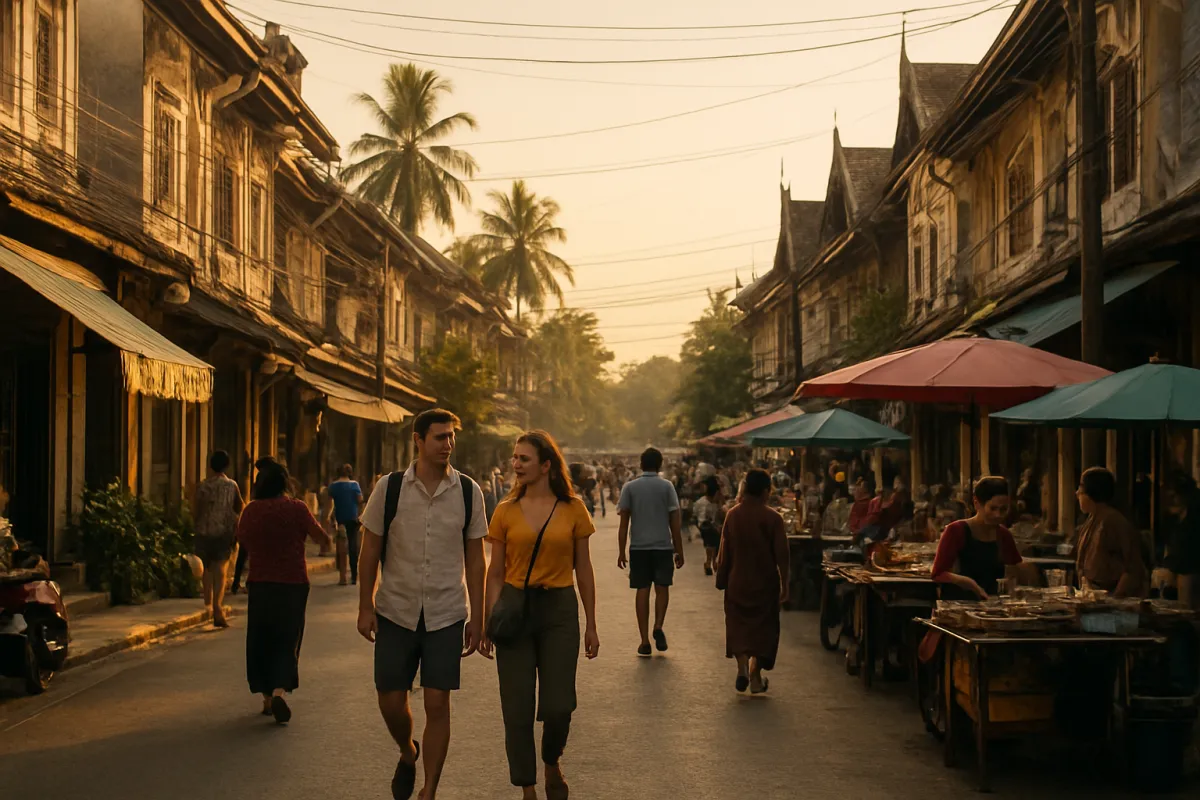
1. How to choose among the best cities to visit in Southeast Asia
Start with the type of trip you actually want rather than choosing only by popularity. Some cities are destinations in their own right, while others work best as gateways to beaches, temples, mountains, or smaller towns.
The ranking below uses five practical criteria:
- Experience range: how much a visitor can do without leaving the city or its immediate area.
- Food and culture: the depth of local cuisine, markets, neighborhoods, museums, temples, and historic areas.
- Ease of travel: airport access, public transport, walkability, and the availability of useful tourist information.
- Trip flexibility: whether the city suits a short stop, a full week, or a longer regional itinerary.
- Distinctiveness: whether it offers something that is difficult to replicate elsewhere.
Conditions vary by season, neighborhood, and personal comfort with heat, traffic, crowds, and humidity. Before booking, check current entry rules, weather, local transport, and any official travel advisories.
The regional ASEAN tourism information is a useful starting point for understanding the region’s interconnected travel network, while the official Visit Southeast Asia portal provides broader destination-planning context.
2. The ranked list: best Southeast Asian cities by travel style
1. Bangkok, Thailand — Best overall for a first visit
Bangkok is the strongest all-round choice because it combines major temples, excellent food, large markets, river neighborhoods, shopping, nightlife, and convenient connections to other parts of Thailand. You can build a trip around street food and historic districts, or use the city as the start of a longer itinerary to Chiang Mai, the islands, or northern Thailand.
Its biggest advantage is variety. A morning can include the Grand Palace area and Wat Pho, an afternoon in a shopping district or riverside neighborhood, and an evening at a market or restaurant. The city also rewards repeat visits because different districts feel noticeably different.
Best for: first-time visitors, food-focused trips, nightlife, temples, and flexible itineraries.
Limitations: traffic, heat, crowds, and the scale of the city can make poorly planned sightseeing tiring. Do not assume every attraction is close together; group activities by neighborhood.
For a broader route, see our guide to one week in Thailand.
2. Singapore — Best for ease, food, and a polished city break
Singapore is one of the easiest Southeast Asian cities to navigate. Efficient public transport, clear signage, a compact layout, and a wide range of hotels make it especially suitable for short trips, families, and travelers who prefer a predictable base.
The city is more than its skyline. Hawker centers, Chinatown, Little India, Kampong Glam, the Civic District, gardens, museums, and waterfront areas give you several different experiences within a manageable area. The official Visit Singapore tourism site is helpful for checking neighborhoods, attractions, and current events.
Best for: first-time Southeast Asia travelers, families, stopovers, food, architecture, and travelers who value convenience.
Limitations: accommodation and dining costs can be higher than in neighboring cities. The experience is highly organized, so travelers seeking a more chaotic or spontaneous atmosphere may prefer Bangkok or Hanoi.
3. Hanoi, Vietnam — Best for history, atmosphere, and street food
Hanoi has a strong sense of place. The Old Quarter, French-influenced architecture, lakes, temples, coffee culture, and busy food streets create a city that is rewarding to explore on foot, even when the sidewalks are uneven or crowded.
It is an excellent base for combining urban culture with northern Vietnam. Many travelers add Ha Long Bay, Ninh Binh, or mountain destinations, although those trips require additional planning and travel time. Within the city, slow exploration often works better than an overpacked attraction list.
Best for: history, local food, photography, cafés, culture, and travelers who enjoy atmospheric neighborhoods.
Limitations: traffic crossings can feel stressful, weather can be hot and humid, and the Old Quarter is not always restful. Choose accommodation carefully if you are sensitive to street noise.
4. Kuala Lumpur, Malaysia — Best for value and cultural variety
Kuala Lumpur is a practical choice when you want a large-city experience without committing to the pace or cost of Singapore. Its strengths include Malay, Chinese, and Indian cultural influences, excellent casual food, modern shopping areas, historic neighborhoods, and strong regional flight connections.
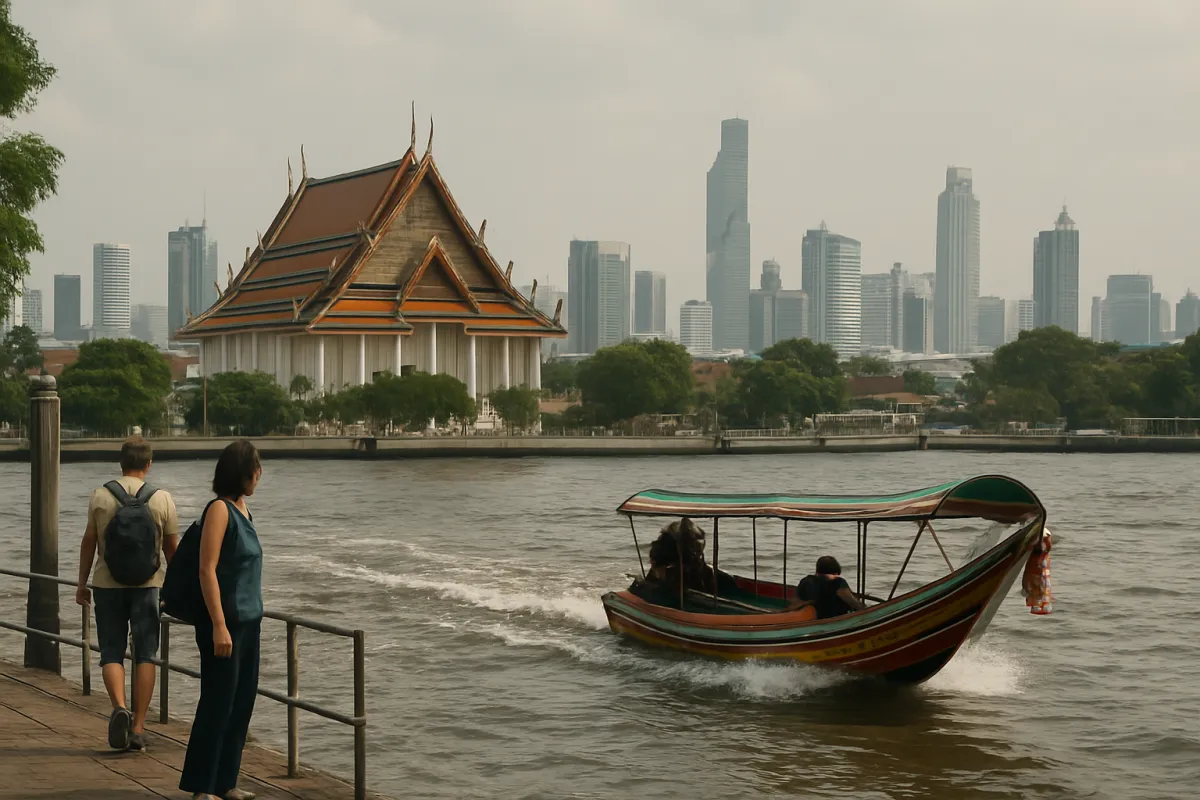
The city is spread out, so the best plan is to combine areas rather than trying to walk everywhere. You might pair the Petronas Towers and Bukit Bintang with Chinatown, Little India, a food-focused evening, or a day trip to the Batu Caves.
Best for: budget-conscious travelers, food, shopping, urban sightseeing, and multi-country itineraries.
Limitations: public transport is useful but does not make every attraction convenient; heat and rain can also disrupt walking plans. The city’s appeal is more dispersed than Hanoi’s or Singapore’s.
5. Ho Chi Minh City, Vietnam — Best for energy and modern urban travel
Ho Chi Minh City is fast-moving, sociable, and full of contrasts. Colonial buildings, contemporary cafés, markets, museums, rooftop views, food stalls, and busy streets fit together in a way that feels distinctly urban rather than resort-oriented.
It works well for travelers who like movement and variety. The city can also anchor trips to the Mekong Delta, Cu Chi Tunnels, or other southern Vietnam destinations. Spend time in more than one district because the visitor experience changes considerably between central areas and local neighborhoods.
Best for: street food, coffee, nightlife, history, and travelers who enjoy large cities with strong momentum.
Limitations: road traffic is intense, sidewalks may be inconsistent, and heat can make midday sightseeing uncomfortable. Allow extra time for short journeys.
6. Chiang Mai, Thailand — Best for a slower cultural stay
Chiang Mai is calmer and more compact than Bangkok, with historic temples, cafés, markets, cooking experiences, and access to northern landscapes. It suits travelers who want a city with a slower rhythm and the option of adding outdoor activities.
The old city is easy to use as a base, but the wider area is worth considering too. Day trips, craft villages, mountain viewpoints, and ethical nature experiences can add depth to a stay.
Best for: temples, cafés, wellness, digital nomads, families, and relaxed cultural travel.
Limitations: air quality can be a seasonal concern, and the city has less big-city spectacle than Bangkok. Check conditions before planning outdoor-heavy travel.
7. Siem Reap, Cambodia — Best for ancient temples
Siem Reap is the natural base for visiting Angkor, one of Southeast Asia’s most significant archaeological destinations. The town itself offers restaurants, markets, hotels, and a convenient tourism infrastructure, but the temples are the central reason to come.
Plan at least two days for Angkor if your schedule allows. Early starts can help with heat and crowds, while a private guide or well-chosen driver may make the large archaeological area easier to understand and navigate.
Best for: archaeology, photography, history, and travelers building a culture-focused trip.
Limitations: the city is less compelling if you are not interested in temples, and heat exposure can be substantial. Respect site rules and dress requirements at religious locations.
8. Da Nang, Vietnam — Best for beaches with city convenience
Da Nang offers a useful balance between urban facilities, beaches, seafood, and access to central Vietnam. It can work as a relaxed base for Hoi An, the Marble Mountains, the Hai Van Pass, or nearby cultural sites.
Compared with Hanoi or Ho Chi Minh City, Da Nang is less intense and easier to combine with downtime. Choose it when you want a city that supports a beach holiday rather than a purely urban itinerary.
Best for: beaches, families, food, short breaks, and combining city time with Hoi An.
Limitations: some attractions are spread out, and the city’s nightlife and museum scene are not as deep as Bangkok’s or Singapore’s.
9. Luang Prabang, Laos — Best for quiet heritage travel
Luang Prabang is a smaller, slower destination known for temples, colonial-era streets, river scenery, markets, and a relaxed pace. It is a good choice when you want cultural immersion without the scale of a capital city.
The city is best experienced gradually. Walk early, visit temples respectfully, spend time near the Mekong, and leave room for a waterfall or countryside excursion rather than filling every hour.
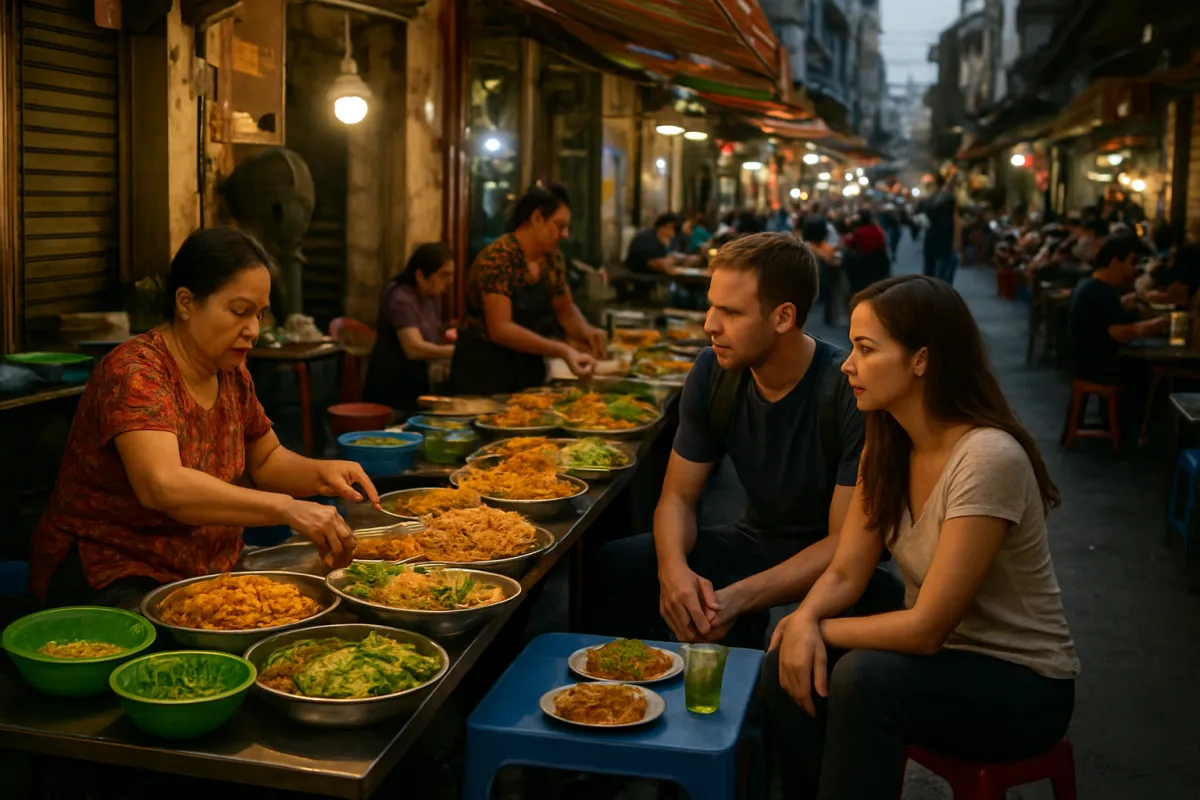
Best for: slow travel, architecture, temples, couples, and travelers who prefer small cities.
Limitations: nightlife and shopping are limited, and the flight network is smaller than in major regional hubs. It may feel too quiet for travelers seeking constant activity.
10. Manila, Philippines — Best for urban energy and island connections
Manila is a complex, densely populated metropolis with historic districts, major museums, shopping, food, and access to the Philippines’ extensive domestic flight network. It is often more useful as a gateway than as a conventional sightseeing city, but travelers who invest time in its neighborhoods can find substantial cultural depth.
Intramuros, Binondo, museums, markets, and the wider metropolitan area offer different perspectives. Use a careful itinerary and allow generous travel time between locations.
Best for: urban culture, Filipino food, history, and connecting to island destinations.
Limitations: traffic is a serious planning issue, the metropolitan area is sprawling, and the visitor experience can vary sharply by neighborhood. It is not the easiest first stop for travelers wanting a compact city break.
3. Comparison table: which city fits your trip?
Use this table as a starting point, then check seasonal conditions and transport before booking.
| City | Best for | Ideal trip length | What to look for | Warning sign |
|---|---|---|---|---|
| Bangkok | All-round first trip | 3–5 days | Neighborhood-based plans and varied food | Trying to cross the city repeatedly each day |
| Singapore | Easy short break | 2–4 days | Hawker centers, museums, gardens, districts | Underestimating accommodation costs |
| Hanoi | Culture and street food | 3–4 days | Walkable Old Quarter and local cafés | Booking a noisy room without checking reviews |
| Kuala Lumpur | Value and food | 3–4 days | Pairing central districts with Batu Caves | Assuming every attraction is walkable |
| Ho Chi Minh City | Energy and nightlife | 3–4 days | District-by-district exploration | Allowing too little time for traffic |
| Chiang Mai | Slow cultural travel | 3–5 days | Temples plus one or two day trips | Ignoring seasonal air-quality conditions |
| Siem Reap | Angkor and archaeology | 2–4 days | Early temple visits and heat breaks | Treating the archaeological park as a single quick stop |
| Da Nang | Beach and city combination | 3–5 days | Beach time plus Hoi An or nearby sites | Expecting a dense historic center |
| Luang Prabang | Quiet heritage stay | 2–4 days | Slow mornings and respectful temple visits | Choosing it for nightlife |
| Manila | Urban base for islands | 2–3 days | Focused neighborhoods and buffer time | Scheduling too many cross-city journeys |
4. Buyer guide: plan the right Southeast Asia city trip
Match the city to the season
Weather differs across the region and can change your experience more than a city ranking does. Monsoon periods do not always mean constant rain, but they can affect beaches, boat trips, hiking, road travel, and humidity. Check the specific city rather than relying on a general “Southeast Asia” forecast.
Choose a neighborhood before choosing a hotel
Location matters more than a small difference in room size. Stay near the sights or transport you will use most, and check whether the area is noisy at night, difficult to reach with luggage, or far from practical food options.
Build in recovery time
Long-haul flights, heat, jet lag, and unfamiliar traffic can make a tightly scheduled first day unpleasant. Keep your arrival day light and avoid booking a major day trip immediately after landing.
Use official information for requirements
Visa rules, entry forms, health requirements, and transport arrangements can change. Confirm details with the relevant government or embassy source before departure rather than relying only on an old blog post or social media video.
5. Common mistakes when choosing a Southeast Asian city
- Trying to visit too many cities: Regional flights may look short, but airport transfers and check-in time consume much of a travel day.
- Choosing by a single attraction: A famous landmark rarely tells you whether you will enjoy the city for three or four days.
- Ignoring humidity and walking conditions: Plan indoor breaks, shade, and flexible sightseeing hours.
- Assuming low prices mean no planning is needed: Popular dates, central hotels, and domestic transport can still sell out.
- Overlooking local etiquette: Dress appropriately at religious sites, ask before photographing people, and follow posted rules.
- Booking a remote hotel to save money: A cheaper room can cost more in time and transport if it leaves you far from your daily route.
6. What if you are still undecided?
If this is your first trip: choose Bangkok for the broadest introduction, or Singapore if you want the easiest logistics.
If food is the priority: start with Bangkok, Hanoi, Ho Chi Minh City, or Kuala Lumpur. Choose Hanoi for street-level atmosphere and Kuala Lumpur for the widest mix of Malay, Chinese, and Indian influences.
If you want history: consider Hanoi, Siem Reap, Luang Prabang, or Bangkok. Siem Reap is the clearest choice when Angkor is the main purpose of the trip.
If you want beaches nearby: Da Nang is the most direct city-and-beach option on this list. Bangkok also works well as a gateway to Thailand’s islands, but the beaches are not in the city itself.
If you have only a weekend: choose Singapore, Bangkok, Kuala Lumpur, or Hanoi. Avoid a destination that requires several additional transfers to reach the experience you want.
7. Final recommendation by travel scenario
- Best overall: Bangkok.
- Best for first-time ease: Singapore.
- Best for food and atmosphere: Hanoi.
- Best value city break: Kuala Lumpur.
- Best for lively modern energy: Ho Chi Minh City.
- Best for temples and a slower pace: Chiang Mai.
- Best for ancient history: Siem Reap.
- Best for beaches plus city facilities: Da Nang.
- Best for quiet heritage travel: Luang Prabang.
- Best as an island-trip gateway: Manila.
For most readers searching for the best cities to visit in Southeast Asia, Bangkok is the safest all-round recommendation because it offers the broadest mix of food, culture, transport, nightlife, and onward travel. Choose Singapore instead when ease matters most, or choose Hanoi when the character of the streets, food, and historic neighborhoods matters more than polished infrastructure.
Before you finalize your route, compare the trip with our guides to one week in Istanbul and one week in Dubai if you are considering a wider Asia or Middle East itinerary.