
The best European destinations for autumn travel are Lisbon, the Scottish Highlands, Tuscany, Bavaria, Prague, the Dalmatian Coast, Andalusia, the Swiss Alps, Budapest, and Slovenia. Choose based on the kind of autumn you want: mild sunshine, colorful landscapes, harvest food, mountain scenery, or atmospheric city breaks.
Autumn can be one of Europe’s most rewarding travel seasons. Many destinations are less crowded than in summer, accommodation demand may be more manageable, and changing leaves add visual interest to cities, forests, vineyards, and mountain valleys. However, conditions vary considerably across the continent.
This guide ranks ten destinations by seasonal appeal, practical accessibility, weather flexibility, scenery, and the variety of things you can do if the forecast changes. It also explains who each destination suits, what to watch for, and how to avoid common planning mistakes.
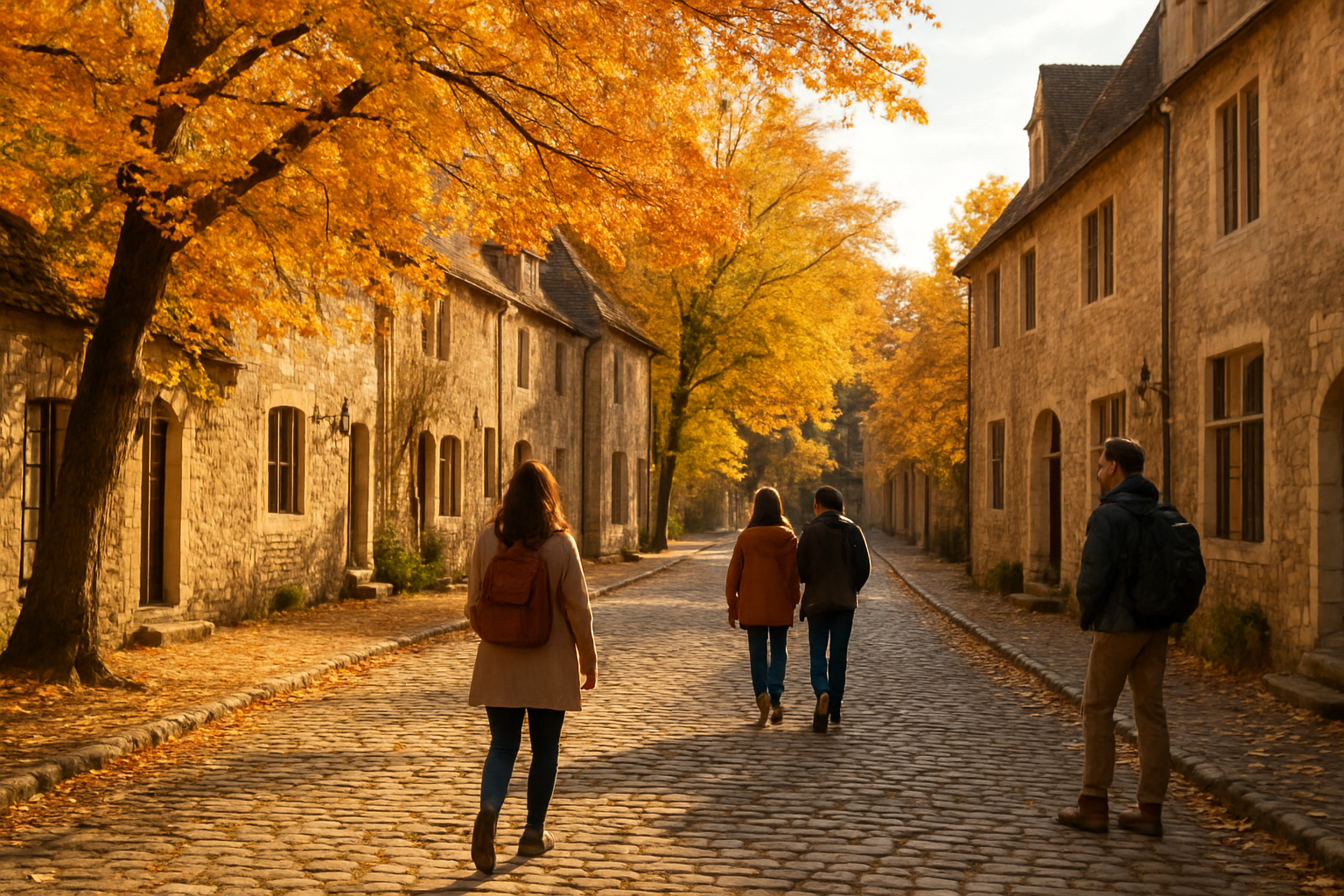
1. Lisbon and the surrounding Portuguese coast
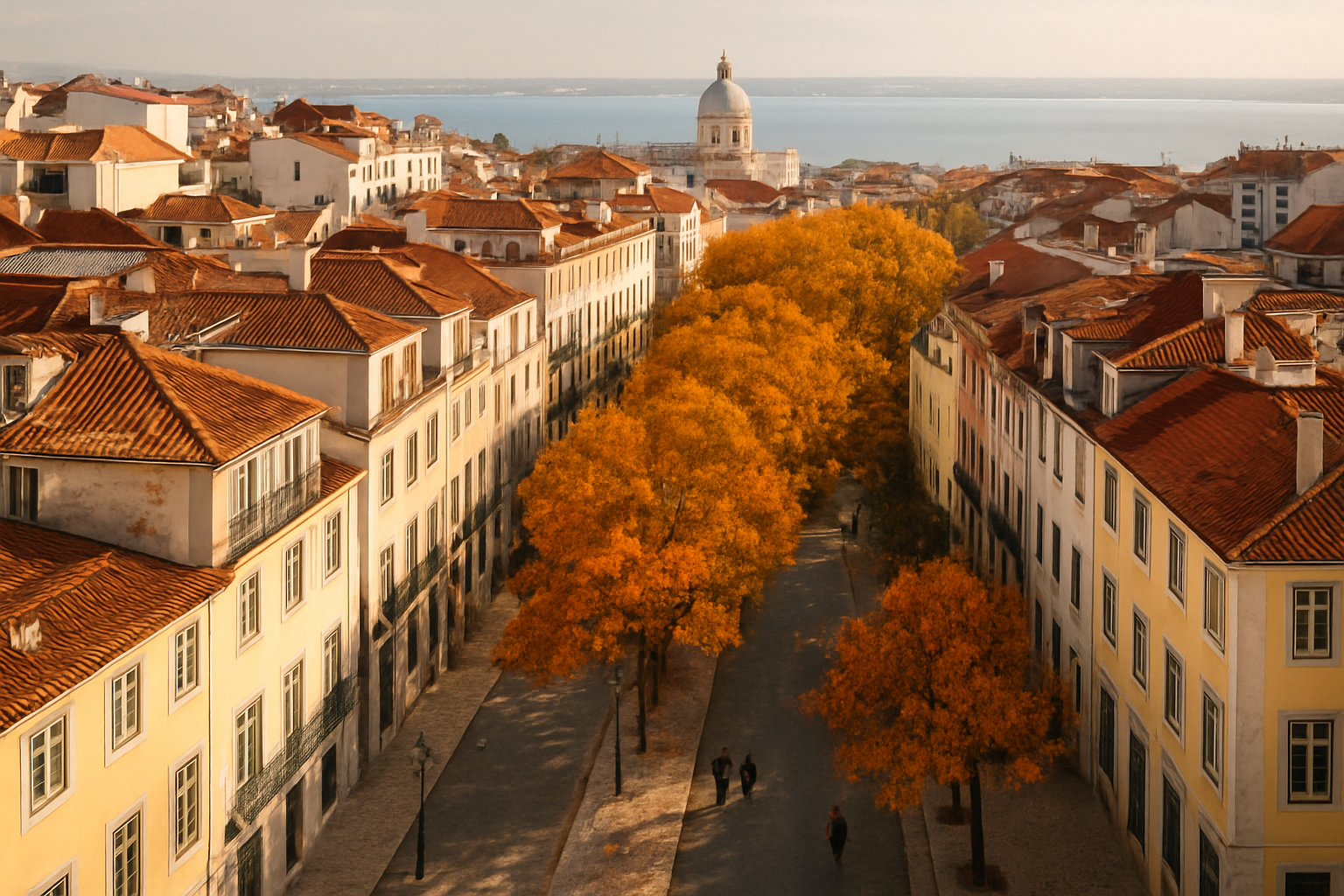
Lisbon is one of the safest all-round choices for autumn travel in Europe. The city remains comfortable for walking, the light is often attractive for viewpoints and photography, and you can combine historic neighborhoods with food, museums, nearby beaches, or day trips.
Autumn also works well for a broader Portugal itinerary. Lisbon can be paired with Porto, the Douro Valley, Sintra, or the Algarve, although you should allow more flexibility for rain than you might in summer. For detailed route planning, see how to plan a 7-day Portugal itinerary.
Best for: First-time visitors, food-focused travelers, mild-weather city breaks, and travelers who want several easy day-trip options.
Limitations: Hills and polished stone pavements can become slippery in wet weather. Some coastal days may feel windy, and popular neighborhoods can still be busy during school holidays.
2. Tuscany, Italy
Tuscany is particularly appealing in autumn when the trip is organized around villages, regional food, vineyards, and landscapes rather than swimming. Florence provides a strong cultural base, while Siena, Lucca, San Gimignano, and the countryside offer a slower change of pace.
A car is useful for exploring rural areas, but it is not essential if you focus on Florence and choose organized day trips or rail-connected towns. If you drive, check restricted traffic zones in historic centers and confirm parking arrangements before arrival.
Best for: Food and wine travelers, couples, photographers, and visitors who enjoy combining art with countryside.
Limitations: Rural transport is less convenient than in major cities. Vineyard visits and seasonal experiences may require advance booking, while shorter daylight hours can make a packed driving itinerary tiring.
3. Bavaria, Germany
Bavaria offers a classic autumn combination: historic towns, forested hills, lakes, and mountain views. Munich is a convenient base for culture and food, while day trips can lead to places such as the Bavarian Alps, Füssen, or smaller towns with traditional architecture.
The region works for both active and relaxed travelers. You can plan hikes when conditions are dry, then use museums, breweries, galleries, and historic sites as alternatives when the weather turns.
Best for: Families, hikers, photographers, and travelers seeking colorful forests with reliable city backup.
Limitations: Mountain weather can change quickly. Some high-altitude lifts, restaurants, or seasonal attractions may operate on reduced schedules outside peak periods.
4. The Scottish Highlands and Edinburgh
Scotland is a strong choice if you want dramatic landscapes, historic atmosphere, and a genuine chance of seeing rich autumn color. Edinburgh provides museums, architecture, restaurants, and a manageable urban base; the Highlands add lochs, glens, castles, and long scenic drives.
Plan around daylight and driving time rather than trying to cover too much territory. A short trip can focus on Edinburgh and one Highland area instead of attempting a large loop.
Best for: Road trips, landscape photography, history lovers, and travelers who do not mind cool, changeable weather.
Limitations: Rain and wind are realistic possibilities, and remote routes may have limited services. Outdoor plans should include waterproof clothing, offline maps, and a backup indoor activity.
5. Prague, Czechia
Prague suits travelers who want an atmospheric European city break with walkable central sights, historic buildings, cafés, galleries, and evening entertainment. Autumn often complements the city’s architecture, especially when you can combine river views with quieter museum or neighborhood visits.
The compact center makes Prague practical for a three- or four-night trip. Consider staying just outside the busiest historic streets if you prefer quieter evenings and easier access to local restaurants.
Best for: Short breaks, architecture enthusiasts, budget-conscious travelers, and visitors who prefer a city rather than a rural itinerary.
Limitations: Central attractions can remain crowded, particularly around weekends. Temperatures can drop sharply later in the season, so a walking-heavy itinerary needs indoor stops.
6. Andalusia, Spain
Andalusia is among the better options for a warmer autumn trip. Seville, Córdoba, and Granada offer historic neighborhoods, courtyards, food, and major cultural sights, while Málaga and the Costa del Sol provide a coastal option when you want more open space.
Distances between cities are manageable, but do not underestimate the time needed for major monuments. Reserve timed-entry attractions where required and avoid scheduling several demanding sightseeing days in a row.
Best for: Warm-weather seekers, architecture and history travelers, food lovers, and travelers planning a multi-city route.
Limitations: Early autumn can still feel hot during the day, while late autumn brings more variable rain. Some attractions close or reduce hours on particular days, so verify schedules directly before finalizing plans.
7. The Dalmatian Coast, Croatia
The Dalmatian Coast is worth considering if you want a Mediterranean setting without making a summer beach holiday the entire purpose of the trip. Split, Dubrovnik, and nearby islands combine historic streets, waterfront scenery, seafood, and opportunities for slower days.
Autumn is better suited to sightseeing and walking than to guaranteeing warm swimming conditions. Ferry schedules may be less frequent than in high season, so check connections before choosing an island-based itinerary.
Best for: Coastal city breaks, history lovers, photographers, and travelers who want sea views without a purely resort-focused trip.
Limitations: Some island businesses and tours become seasonal or close after summer. Weather can disrupt boat plans, and Dubrovnik’s historic core may still be busy when cruise ships are in port.
8. The Swiss Alps and nearby lake towns
Switzerland provides outstanding autumn scenery, especially for travelers who value clean transport connections, mountain viewpoints, and lake landscapes. Towns around lakes and lower valleys can be comfortable bases for scenic rail journeys, walks, and cable-car excursions.
This destination requires more careful budgeting than many of the other choices. Transport passes and mountain activities can add substantially to the total cost, so compare the exact routes and attractions you expect to use before purchasing.
Best for: Scenic rail travelers, hikers, photographers, and visitors who prioritize organization and landscape quality.
Limitations: It is often expensive, and mountain transport may be affected by wind, maintenance, or seasonal schedules. High trails can have early snow even when lakeside towns remain mild.
9. Budapest, Hungary
Budapest is a practical autumn city break with grand architecture, thermal bathing, river views, cafés, and a broad range of neighborhoods. Its attractions work well in mixed weather, which makes it easier to plan than a destination centered mainly on outdoor activities.
Three or four nights is enough for a first visit if you group sights by area. Add extra time if you want to explore beyond the central districts or take a day trip into the surrounding region.
Best for: Value-focused city breaks, architecture, thermal baths, nightlife, and travelers who want indoor and outdoor options.
Limitations: Weather becomes cooler and darker later in the season. Some historic baths have different facilities or schedules on different days, so check current visitor information before going.
10. Slovenia: Ljubljana, Lake Bled, and the Soča region
Slovenia offers a compact mix of a pleasant capital, alpine scenery, lakes, forests, and outdoor activities. Ljubljana works as a cultural base, while Lake Bled and the Soča region provide memorable landscapes without the scale of a much larger country.
The destination is especially attractive for travelers who want nature but prefer shorter transfer times. Public transport can cover the main route, although a car provides more freedom in rural areas and for changing plans around the weather.
Best for: Couples, active travelers, photographers, and visitors who want a small-country itinerary with varied scenery.
Limitations: Some outdoor activities and rural services are seasonal. Fog, rain, or early snow can reduce mountain visibility, so avoid building the entire trip around one viewpoint.
How these destinations compare
The table below is a planning guide rather than a guarantee of conditions. Autumn changes significantly between September and November, and local weather can differ between a city, coast, valley, and mountain area.
| Destination | Autumn strength | Typical trip style | Weather flexibility | Main warning sign |
|---|---|---|---|---|
| Lisbon | Mild city and coast | City plus day trips | High | Slippery hills in rain |
| Tuscany | Food, vineyards, landscapes | Culture and countryside | Medium | Rural transport limits |
| Bavaria | Forests and mountain scenery | City plus nature | High | Changing mountain weather |
| Scottish Highlands | Moody landscapes and color | Road trip | Medium | Rain, wind, and long drives |
| Prague | Atmospheric architecture | Short city break | High | Cooler late-season days |
| Andalusia | Warmth and historic sights | Multi-city route | High | Heat early in autumn |
| Dalmatian Coast | Coastal scenery without peak summer | Coastal city break | Medium | Reduced ferry schedules |
| Swiss Alps | Mountain and lake views | Scenic rail or hiking trip | Medium | High costs and closures |
| Budapest | Indoor and outdoor variety | Urban break | High | Shorter daylight later on |
| Slovenia | Compact nature itinerary | City and outdoors | Medium | Seasonal rural services |
How to choose the right autumn destination
Match the destination to the month
September is usually the most flexible month for coastal trips and higher-altitude activities, although conditions vary by year. October often offers the best balance of fall color, comfortable sightseeing, and manageable crowds. By November, southern destinations and city breaks become more dependable choices, while mountain and island services may be more restricted.
Decide how much weather risk you accept
If rain would significantly reduce your enjoyment, choose a city with museums, food markets, historic interiors, and public transport. If you are happy to adapt, the Highlands, Slovenia, Bavaria, and the Alps can reward you with better scenery when conditions cooperate.
Choose one base or a moving itinerary
A single base is usually better for a short trip or uncertain weather. Multi-city travel can provide more variety, but autumn transport delays, reduced schedules, and shorter daylight make overpacked routes less comfortable.
- Choose one base if you have three to four nights, want restful travel, or dislike repacking.
- Choose two bases for a week when the transfer is simple and each place offers a distinct experience.
- Choose a road trip only when you are comfortable with changing weather, parking rules, and longer travel days.
What to pack and reserve
Layering is more useful than packing for one expected temperature. Bring comfortable waterproof footwear, a light waterproof outer layer, warm mid-layers, and a compact day bag. In cities, shoes with good grip matter more than formal footwear.
Reserve the elements that have limited capacity or fixed times: major museums, popular monuments, mountain transport, winery visits, rental cars, and intercity trains on your chosen dates. Leave some open space in the schedule for weather changes rather than reserving every hour.
Common mistakes when planning European autumn travel
- Assuming all of Europe has the same season. A warm coast, a central European city, and an alpine trail can have completely different conditions on the same day.
- Planning around peak summer hours. Attractions, ferries, and outdoor services may start later or finish earlier outside high season.
- Underestimating daylight. A scenic drive or hike that works in July may be uncomfortable when sunset comes earlier.
- Booking too many outdoor highlights. Include museums, markets, thermal baths, cafés, or historic interiors as realistic alternatives.
- Ignoring local closures. Check weekly closing days and seasonal timetables before buying nonrefundable transport.
- Confusing lower crowds with empty streets. Popular European cities can remain busy in autumn, especially on weekends and during events.
What if the weather changes?
If rain is forecast for most of the trip
Reorganize rather than cancel immediately. Group indoor sights together, use covered markets and cafés as pauses, and move scenic walks to the clearest day. In rural regions, confirm whether roads, lifts, trails, and tours remain suitable before setting out.
If temperatures are warmer than expected
Start outdoor sightseeing early, carry water, and reserve the hottest part of the day for a museum or long lunch. Southern Spain and Portugal can still feel summery in early autumn, so pack accordingly.
If a mountain or island plan becomes impractical
Keep a lower-altitude or mainland alternative ready. A city stay, lakefront town, historic village, or scenic rail journey can preserve the character of the trip without depending on one difficult connection.
Autumn travel checklist
- Choose the month before choosing the destination.
- Check average conditions for the exact coast, city, valley, or mountain area.
- Confirm opening hours and seasonal transport schedules.
- Build at least one indoor alternative into each full sightseeing day.
- Allow more time for road trips and changing daylight.
- Pack layers, waterproof protection, and shoes with reliable grip.
- Review cancellation conditions for weather-sensitive bookings.
- Check local travel advisories and entry requirements before departure.
Final recommendations by travel scenario
For the best all-round first trip: Choose Lisbon. It combines a walkable historic center, food, day trips, and a relatively adaptable itinerary.
For classic fall landscapes: Choose Bavaria or Slovenia. Bavaria is easier to pair with a major city, while Slovenia is appealing when you want a smaller, nature-focused route.
For warmer weather: Choose Andalusia or southern Portugal. Plan sightseeing around the heat in early autumn and keep rain alternatives for later in the season.
For a short city break: Choose Prague or Budapest. Both offer substantial indoor attractions, strong architecture, and enough variety for several days.
For a scenic road trip: Choose the Scottish Highlands or Tuscany, depending on whether you prefer dramatic wilderness or villages, food, and vineyards.
For a coastal escape: Choose the Dalmatian Coast if you want historic waterfront cities and shoulder-season atmosphere, but verify ferry and tour schedules before committing to islands.
Ultimately, the best European destinations for autumn travel are the ones that match your tolerance for changing weather and your preferred pace. Choose a destination with a strong backup plan, reserve only the experiences that truly need advance booking, and leave enough flexibility to enjoy the season rather than chase a perfect forecast.