
Quick verdict: Choose Greece for greater beach variety, warmer swimming conditions, and classic sandy coves. Choose Croatia for exceptionally clear water, dramatic rocky coastlines, compact island-hopping, and easier combinations of beaches with historic towns.
Deciding between Croatia and Greece for island beaches is less about finding one universally better destination and more about matching the coastline to your travel style. Greece offers thousands of islands and islets, with beaches ranging from fine sand to volcanic shores and sheltered coves. Croatia is known for a highly indented Adriatic coast, numerous islands, clear water, and a strong mix of beaches, old towns, and boat trips.
This comparison focuses on the practical differences that affect your holiday: beach texture, water conditions, transport, prices, scenery, crowds, family suitability, and how much planning each destination requires.
1. Start with the beach experience you actually want
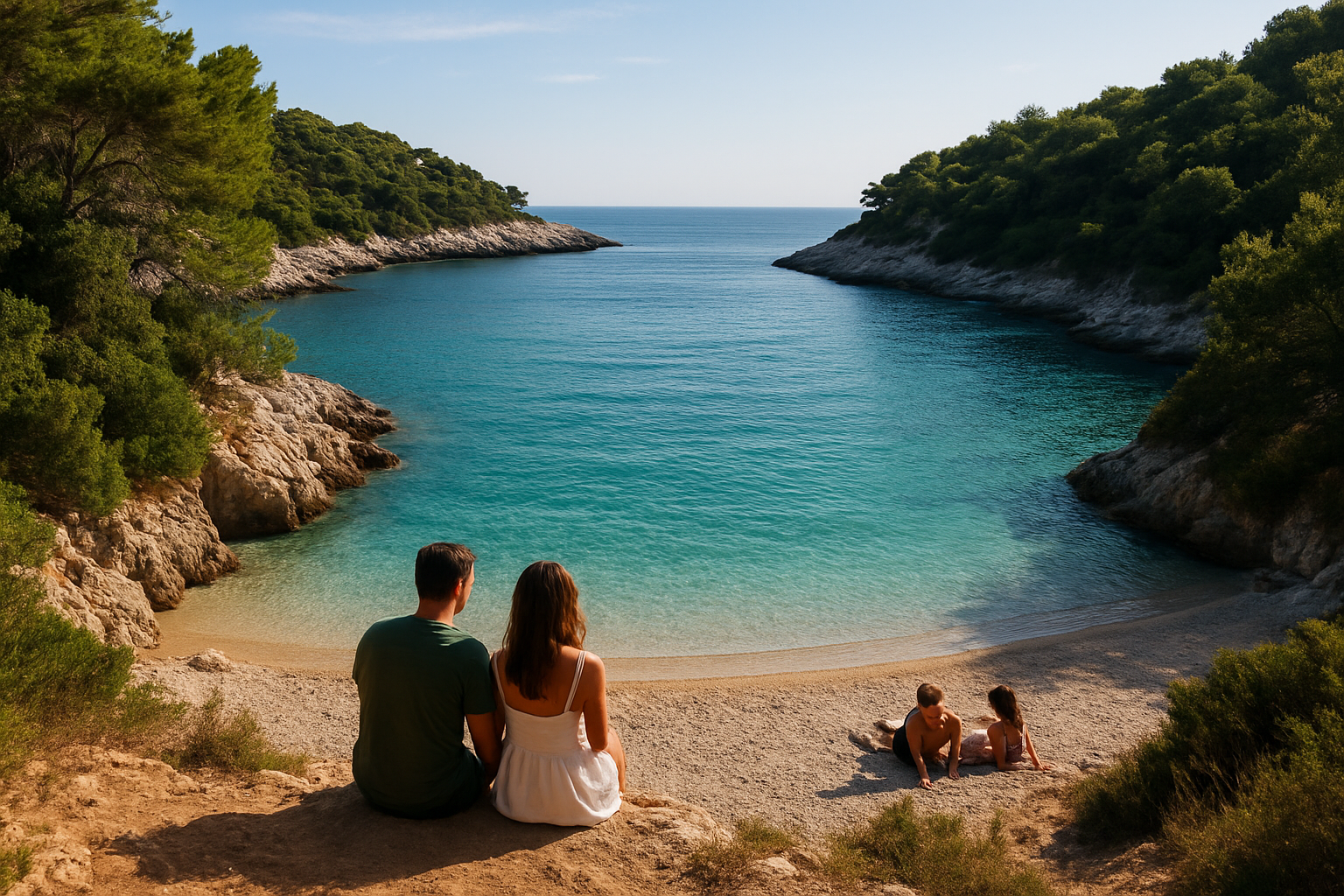
Before comparing individual islands, decide what “best beach” means to you. A wide sandy beach with shallow water is very different from a secluded pebble cove reached by boat or a rocky platform beside a pine-covered island.
Greece generally gives you more variety within the beach category itself. The country’s official tourism information describes beaches with sand, pebbles, dunes, sheltered bays, caves, wetlands, and volcanic landscapes. Visit Greece’s island guide is useful when you want to compare regions rather than choose only by country.
Croatia’s beaches are often more compact and closely tied to the shape of the Adriatic coast. You will find sandy beaches, but many famous swimming spots are made of rounded pebbles, pale stone, or natural rock. Croatia’s official tourism board highlights both sandy and rocky beaches, along with hidden coves and accessible public beaches.
That difference affects your daily routine. In Greece, you may spend a full day at one expansive beach. In Croatia, a typical day may involve swimming at several coves, taking a water taxi, exploring a harbor town, and stopping for dinner beside the waterfront.
2. Compare Croatia and Greece side by side
The table below is a starting point, not a substitute for checking the specific island you are considering. Both countries contain major regional differences.
Croatia vs Greece for island beaches: practical comparison
| Decision factor | Croatia | Greece |
|---|---|---|
| Typical beach surface | Rounded pebbles, rock shelves, and some sand | More variety, including sand, pebbles, volcanic beaches, and coves |
| Water appearance | Very clear, often deep blue or turquoise | Clear water with a wider range of colors and conditions by region |
| Swimming access | Often deeper water close to shore | More beaches with gradual, shallow entry, depending on island |
| Best-known scenery | Pine-covered islands, limestone coast, historic ports | White villages, dry hills, cliffs, caves, and varied island landscapes |
| Island-hopping style | Good for linked ferry routes and short coastal crossings | Excellent choice, but routes and distances vary widely by island group |
| Car usefulness | Helpful on larger islands and for remote coves | Helpful on larger islands; unnecessary on some compact or well-connected islands |
| Family beach choice | Best where pebble beaches and deeper water are acceptable | Often easier to find shallow sandy beaches |
| Best for snorkeling | Rocky shores and clear water are strong advantages | Good variety, especially around rocky coves and smaller islands |
| Historic and cultural add-ons | Very strong in coastal towns and old ports | Very strong, with ancient sites, villages, monasteries, and local traditions |
| Main tradeoff | Beautiful swimming conditions, but sand and shallow entry are not guaranteed | More choice, but longer transfers and more complicated planning can be involved |
3. Choose Croatia if clear water and compact coastal travel matter most
Where Croatia has the advantage
Croatia is especially attractive if your ideal day includes swimming in transparent water, photographing limestone cliffs, and moving between beaches without crossing a large stretch of sea. The country’s islands are numerous and closely connected to a long, indented coastline. The national tourism board describes more than 1,200 islands and emphasizes the combination of natural scenery, culture, and gastronomy.
Popular areas such as Hvar, Brač, Vis, Korčula, and the Elaphiti Islands offer different versions of the Croatian beach experience. Brač is associated with the distinctive beach at Zlatni Rat, while Vis and smaller nearby islands appeal to travelers looking for a more exploratory feel. Hvar combines swimming spots with nightlife, restaurants, and historic streets.
The water is often the main attraction rather than the sand. Bring water shoes if you dislike sharp stones, and do not assume that every photogenic cove has a soft, shallow entry. A foldable beach mat can also be more useful in Croatia than a large towel alone.
When Croatia may disappoint
Croatia is not always the easiest choice for a classic “walk straight into warm, shallow sand” holiday. Many attractive beaches have pebbles or rock, and some become deep quickly. Families with very young children should check the beach surface, shade, toilets, and water entry before booking accommodation.
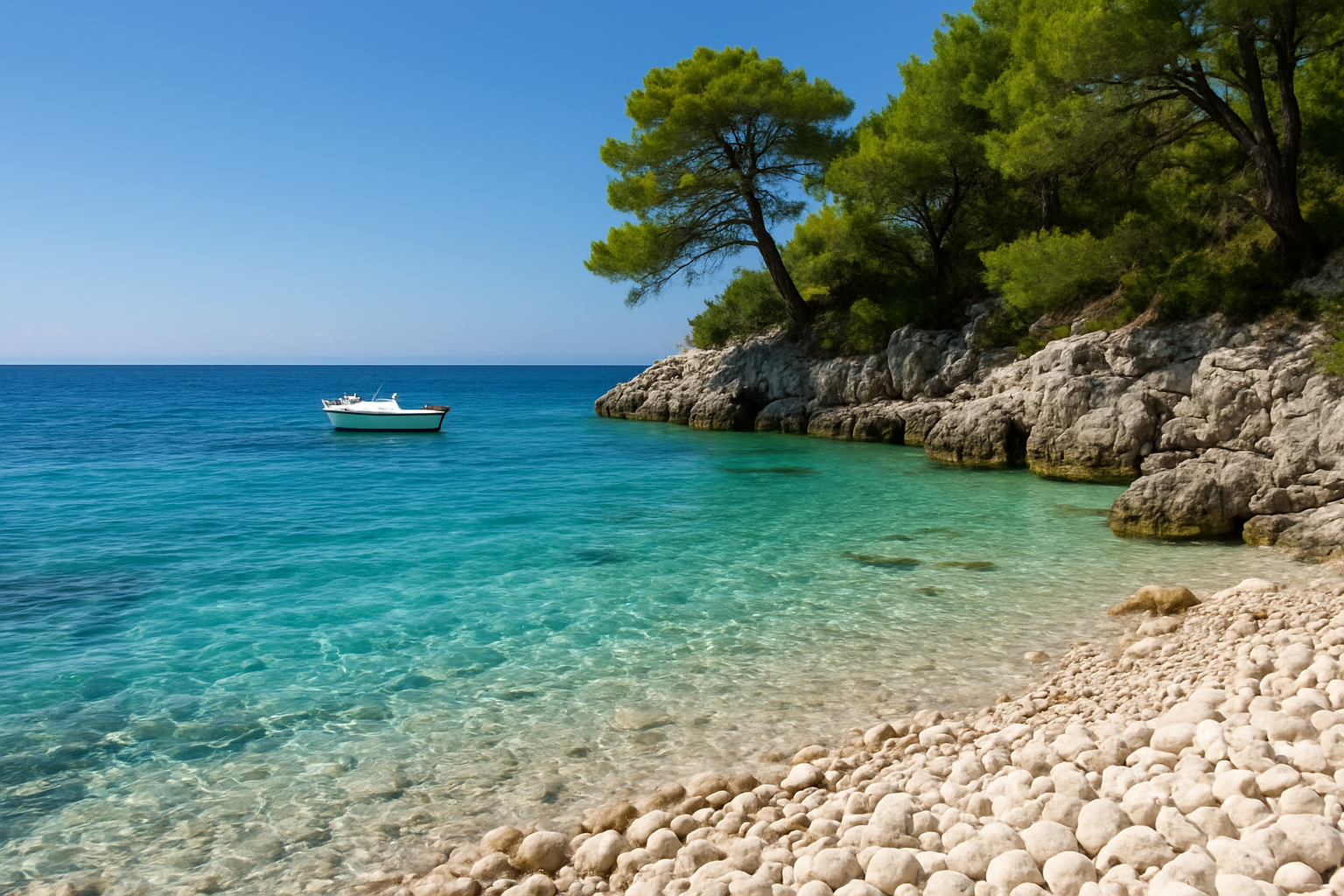
Another tradeoff is summer crowding in famous locations. A beach that looks spacious in a photograph may be busy at midday, particularly when excursion boats arrive. Staying close to a less-famous cove or visiting popular beaches early can make a noticeable difference.
4. Choose Greece if beach variety and sandy shores are the priority
Where Greece has the advantage
Greece is usually the stronger choice when your definition of a beach holiday includes sandy shores, shallow water, warm swimming, and several different island landscapes. The Greek coastline includes long sandy beaches, sheltered bays, dunes, pebble beaches, volcanic beaches, and rugged coves. The official Greek beaches guide provides a useful overview of the country’s regional variety.
The best region depends on the mood you want. The Ionian Islands, including Corfu, Kefalonia, Zakynthos, and Lefkada, are known for greener landscapes and dramatic coastlines. The Cyclades offer bright villages, dry hills, open views, and a large range of beaches across islands such as Naxos, Paros, Milos, and Serifos. Crete is a strong all-rounder for travelers who want beaches plus archaeological sites, mountain villages, and a longer itinerary.
Greece also gives you more ways to tailor the holiday. You can choose a quiet island, a family-friendly resort, a windsurfing destination, a nightlife center, or a larger island with enough activities for a two-week trip.
When Greece may be harder
The number of choices can become a planning problem. Ferry connections are not equally convenient across all island groups, and a route that looks simple on a map may require a long transfer or an overnight stop. Avoid building an itinerary around too many islands unless you have checked the actual ferry timetable for your travel dates.
Greece can also involve more internal travel if you want to combine distant regions. For example, pairing an island in the Ionian Sea with one in the Cyclades may require a flight or a complex connection rather than one easy ferry ride.
5. Compare transport, car use, and island-hopping
Croatia often works well for a shorter island-and-coast itinerary. You can base yourself in Split, Dubrovnik, Zadar, or another coastal city and add one or two islands. Fast boats and ferries can make short crossings practical, although schedules change by season and not every service runs daily.
Greece is better suited to travelers who enjoy building a more specialized island route. The reward is a wider range of landscapes, but you need to check departure ports, luggage arrangements, transfer time, and whether you will need a domestic flight.
A rental car is useful in both countries when you want remote beaches. It is less important if you are staying in a walkable resort and using organized boat trips. Before renting, check whether your accommodation has parking and whether narrow island roads are suitable for your preferred vehicle.
For comparing flight options, you can search available airfares. If you plan to drive between beaches or towns, compare local rental cars before finalizing your route. For airport or ferry-port transfers, prearrange a transfer when arrival logistics are inconvenient.
6. Match each destination to your travel scenario
Best for families with young children
Greece has the edge if shallow sandy entry is essential. Look for beaches with calm water, nearby shade, toilets, and short walking distances from accommodation. Crete, Corfu, Naxos, and parts of the Peloponnese can offer practical family bases, but the exact beach matters more than the country label.
Croatia can work very well for families who are comfortable with pebbles and deeper water. Choose accommodation near a protected bay, pack water shoes, and confirm whether the beach has natural shade or rented umbrellas.
Best for couples seeking scenery and swimming
Croatia is a strong fit for couples who want clear water, sunset walks, harbor restaurants, and several attractive coastal towns in one trip. Greece is better if you want more dramatic variation between beaches, villages, cliffs, and open sea views.
Best for snorkeling and kayaking
Both destinations are good, but Croatia’s rocky shoreline and clear water can be especially convenient for shore snorkeling. Greece offers more variation, including caves, volcanic formations, and island beaches where boat excursions reach less accessible swimming areas.

Best for a first Mediterranean island trip
Choose Croatia for a simpler coast-and-island combination, particularly if you want to include historic cities. Choose Greece if you already know what type of island appeals to you and are willing to plan around ferry routes.
7. Budget for the costs that travelers often overlook
The total cost depends more on island, season, accommodation, and transport than on the country alone. In both destinations, the most famous beaches and central waterfront areas usually command higher accommodation prices during the busiest summer weeks.
- Compare airport transfers with public transport before booking an isolated hotel.
- Check ferry fares, baggage rules, and port-transfer costs for every island move.
- Allow for beach umbrellas, parking, boat trips, and rental equipment.
- Price accommodation with a kitchen if you want to reduce restaurant costs.
- Consider traveling in late spring or early autumn for a quieter experience, while checking swimming temperatures and operating schedules.
If you are comparing several departure airports, search multi-city flight combinations before assuming a return ticket is cheapest. For current entry requirements, use the official EU travel-document guidance and confirm details for your nationality before departure.
8. Avoid these common decision mistakes
- Choosing from one beach photograph: A famous beach does not represent an entire island or country.
- Ignoring the beach surface: Check whether you are booking sand, pebbles, rock, or a platform reached by ladder.
- Overloading the itinerary: Three islands in five days may leave more time in ports than on beaches.
- Assuming every beach is calm: Wind exposure can change the swimming experience, especially in open bays.
- Forgetting shade: Natural shade varies greatly. Confirm whether umbrellas are available or bring suitable protection.
- Booking the wrong airport: The nearest airport may still be several hours from the ferry port or accommodation.
- Using national averages: A quiet Croatian island and a busy Greek hotspot can differ more than Croatia and Greece as countries.
9. What if your priorities do not fit one country?
If you want Croatia’s clear water but Greece’s sandy beaches, look for Croatian destinations with known sandy or mixed beaches and stay flexible about beach-hopping. If you want Greek scenery but shorter transfers, choose one island group rather than combining distant regions.
If you are traveling during the busiest weeks, prioritize accommodation location over the number of beaches on your list. Being able to reach a good swimming spot before the day-trip crowds often matters more than adding another famous destination.
If weather is a concern, build in one non-beach day. Historic towns, archaeological sites, food markets, boat harbors, and walking routes can prevent a windy or cloudy day from disrupting the entire holiday.
10. Your final booking checklist
- Write down your preferred beach surface: sand, pebble, rock, or mixed.
- Decide whether shallow entry is necessary.
- Choose one region or island group before comparing hotels.
- Check ferry and flight schedules for your exact dates.
- Confirm transfer time from airport or port to accommodation.
- Verify parking, shade, beach access, and nearby food options.
- Plan no more than one major island move every few days.
- Book flexible options if your trip depends heavily on boats or weather.
Final verdict: Croatia or Greece for island beaches?
For the widest choice of beach types and the best chance of finding sandy, shallow swimming areas, Greece is the safer recommendation. It is also the better fit for travelers who want to choose between many different island personalities.
For clear water, pebble coves, dramatic Adriatic scenery, and an efficient combination of beaches with historic coastal towns, Croatia may be the better choice. The key condition is that you are comfortable with deeper water and less consistently sandy beaches.
In short, choose Greece for beach variety and classic island-holiday flexibility. Choose Croatia for compact coastal travel, clear swimming water, and a stronger beach-and-old-town combination. Once you decide which experience matters most, compare the specific island and beach—not just the country name.
For more planning ideas, see Aweektrip’s travel guides, including the practical guide to getting around the Amalfi Coast without a car and the comparison of Portugal and Spain for a family vacation.